
• About Us
    • Awards & Felicitations
    • Our Company
    • Our Leadership
    • Our Projects
    • Testaments
  • Products
    • EV Charger
      • Spark Series (AC Charger)
      • Squad Series (DC Charger)
    • LEDs
      • Domestic LED
      • Commercial LED
    • Power & Backup
      • Battery
      • Servo Stabilizer
      • UPS
    • Solar Solutions
      • Solar Inverter
      • ServPort
      • Solar Management Unit
      • Solar Batteries
      • Solar Panels
    • Electric 3W Solutions
      • Lithium Battery
      • Electric 3W Charger
    • Others
      • Oxygen Concentrator
      • UVC
  • Solutions
    • Solar EPC
    • Solar Calculator
    • EV Calculator
  • Media
    • Blogs
    • Events
    • Media Coverages
    • Media Kit
    • Press Releases
  • Investors
  • Contact

Type To Search

  • About Us
    • Awards & Felicitations
    • Our Company
    • Our Leadership
    • Our Projects
    • Testaments
  • Products
    • EV Charger
      • Spark Series (AC Charger)
      • Squad Series (DC Charger)
    • LEDs
      • Domestic LED
      • Commercial LED
    • Power & Backup
      • Battery
      • Servo Stabilizer
      • UPS
    • Solar Solutions
      • Solar Inverter
      • ServPort
      • Solar Management Unit
      • Solar Batteries
      • Solar Panels
    • Electric 3W Solutions
      • Lithium Battery
      • Electric 3W Charger
    • Others
      • Oxygen Concentrator
      • UVC
  • Solutions
    • Solar EPC
    • Solar Calculator
    • EV Calculator
  • Media
    • Blogs
    • Events
    • Media Coverages
    • Media Kit
    • Press Releases
  • Investors
  • Contact

Type To Search

  • About Us
    • Awards & Felicitations
    • Our Company
    • Our Leadership
    • Our Projects
    • Testaments
  • Products
    • EV Charger
      • Spark Series (AC Charger)
      • Squad Series (DC Charger)
    • LEDs
      • Domestic LED
      • Commercial LED
    • Power & Backup
      • Battery
      • Servo Stabilizer
      • UPS
    • Solar Solutions
      • Solar Inverter
      • ServPort
      • Solar Management Unit
      • Solar Batteries
      • Solar Panels
    • Electric 3W Solutions
      • Lithium Battery
      • Electric 3W Charger
    • Others
      • Oxygen Concentrator
      • UVC
  • Solutions
    • Solar EPC
    • Solar Calculator
    • EV Calculator
  • Media
    • Blogs
    • Events
    • Media Coverages
    • Media Kit
    • Press Releases
  • Investors
  • Contact
  • About Us
    • Awards & Felicitations
    • Our Company
    • Our Leadership
    • Our Projects
    • Testaments
  • Products
    • EV Charger
      • Spark Series (AC Charger)
      • Squad Series (DC Charger)
    • LEDs
      • Domestic LED
      • Commercial LED
    • Power & Backup
      • Battery
      • Servo Stabilizer
      • UPS
    • Solar Solutions
      • Solar Inverter
      • ServPort
      • Solar Management Unit
      • Solar Batteries
      • Solar Panels
    • Electric 3W Solutions
      • Lithium Battery
      • Electric 3W Charger
    • Others
      • Oxygen Concentrator
      • UVC
  • Solutions
    • Solar EPC
    • Solar Calculator
    • EV Calculator
  • Media
    • Blogs
    • Events
    • Media Coverages
    • Media Kit
    • Press Releases
  • Investors
  • Contact
Read More
Solar
May 26, 2026by servotech team0 Comments
343 Likes

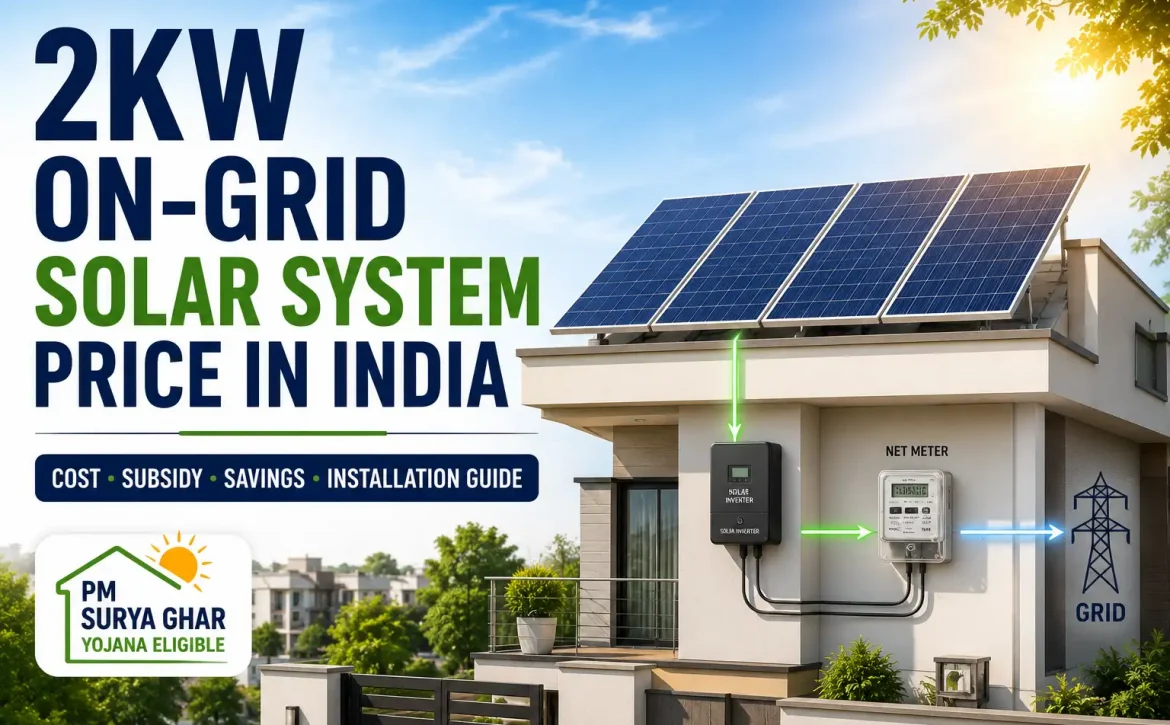
2kW On-Grid Solar System Price in India: Cost, Subsidy, Savings & Complete Guide

A 2kW on-grid solar system is one of the most popular rooftop solar solutions for small homes, apartments, shops, and offices in India. It helps reduce electricity bills by generating solar power during the day and exporting surplus energy to the grid through net metering.

The 2kW on-grid solar system price in India typically ranges between ₹1.2 lakh and ₹1.6 lakh before subsidy, depending on the quality of solar panels, inverter brand, installation requirements, and location. Under the PM Surya Ghar: Muft Bijli Yojana, eligible residential consumers can also receive government subsidy benefits, making rooftop solar more affordable.

In this guide, we’ll explain the cost, subsidy, electricity generation, roof space requirements, savings potential, and whether a 2kW solar system is the right choice for your home.

What is a 2kW On-Grid Solar System?

A 2kW on-grid solar system is a rooftop solar solution directly connected to the electricity grid. It generates power from solar panels during the day, and if your usage is lower than the generation, the excess energy is sent back to the grid through a process called net metering. At night or during cloudy days, electricity is drawn from the grid.

  • Capacity: 2 kilowatts (sufficient for small households)
  • Type: on-grid (No battery backup)
  • Applications: Homes, small offices, shops, small commercial setups

Read more: Detailed Guide for 1kW Solar System

How Does a 2kW On-Grid Solar System Work?

A 2kW on-grid solar system converts sunlight into usable electricity through solar panels installed on the rooftop.

The system works in four simple steps:

Step 1: Solar Panels Generate Electricity

Solar panels capture sunlight and generate direct current (DC) electricity.

Step 2: Solar Inverter Converts Power

The on-grid solar inverter converts DC electricity into alternating current (AC) electricity used by household appliances.

Step 3: Power Is Used by the Home

The generated electricity is first consumed by the appliances running inside the house.

Step 4: Excess Electricity Is Exported to the Grid

If electricity generation exceeds consumption, the surplus power is sent to the electricity grid through net metering, helping reduce future electricity bills.

At night or during low sunlight conditions, electricity is automatically imported from the grid.

2kW On-Grid Solar System at a Glance

ParameterDetails
System Capacity2kW
Daily Generation8–10 Units
Monthly Generation240–300 Units
Annual Generation2,800–3,600 Units
Roof Area Required150–200 sq. ft.
Suitable For1BHK, 2BHK Homes
Grid ConnectionYes
Battery RequiredNo
Lifespan25+ Years

2kW On-Grid Solar System Price in India

The cost of a 2kW on-grid solar system in India generally ranges between ₹1.2 lakh – ₹1.6 lakh, depending on brand, quality, and installation requirements.

Price Breakdown (Approximate)

  • Solar Panels (2kW capacity): ₹70,000 – ₹90,000
  • On-grid Inverter (2kW): ₹25,000 – ₹40,000
  • Mounting Structure & Accessories: ₹15,000 – ₹20,000
  • Wiring & Protection Devices: ₹10,000 – ₹15,000
  • Installation & Labour: ₹10,000 – ₹20,000

Total Cost: ₹1.2 – ₹1.6 lakh (before subsidy)

Note: These prices may vary based on the brand chosen.

How Many Solar Panels Are Required for a 2kW Solar System?

The number of solar panels required depends on the panel wattage.

Panel CapacityNumber of Panels
330W6 Panels
440W5 Panels
540W4 Panels
550W4 Panels

Most modern residential installations use high-efficiency 540W–550W solar panels, requiring approximately four panels for a 2kW system.

How Much Roof Space Is Required for a 2kW Solar System?

A 2kW rooftop solar system typically requires between 150–200 square feet of shadow-free rooftop space.

The actual requirement depends on:

  • Solar panel efficiency
  • Panel dimensions
  • Roof orientation
  • Mounting structure design

Homes with unobstructed sunlight throughout the day generally achieve better energy generation and higher savings.

Electricity Savings with a 2kW On-Grid Solar System

A 2kW system generates around 8-10 units per day, depending on sunlight availability.

  • Monthly Generation: 240-300 units
  • Annual Generation: 2,800-3,600 units

At an average electricity tariff of ₹7 per unit, this translates to ₹20,000 – ₹25,000 annual savings, allowing you to recover the investment within 4-5 years.

PM Surya Ghar Subsidy for 2kW On-Grid Solar System

The Government of India is encouraging residential rooftop solar adoption through the PM Surya Ghar: Muft Bijli Yojana.

Eligible homeowners installing a 2kW rooftop solar system can receive financial assistance, reducing the upfront installation cost.

Benefits of PM Surya Ghar Yojana

  • Reduced solar installation cost
  • Faster return on investment
  • Lower electricity bills
  • Increased energy independence
  • Environment-friendly energy generation

To avail subsidy benefits, homeowners must install the system through approved vendors and complete the required inspection and net metering procedures.

What Appliances Can Run on a 2kW Solar System?

A properly designed 2kW solar system can comfortably support:

  • 5–6 ceiling fans
  • LED lights
  • Television
  • Refrigerator
  • Wi-Fi router
  • Laptops and mobile chargers
  • Washing machine
  • Water pump (limited usage)

Actual appliance support depends on usage patterns and electricity consumption.

2kW vs 3kW vs 5kW Solar System: Which One Should You Choose?

System SizeDaily GenerationSuitable For
2kW8–10 Units1BHK–2BHK Homes
3kW12–15 UnitsSmall Families
5kW20–25 Units3BHK Homes

If your monthly electricity consumption exceeds 300 units, you may consider a larger solar system for maximum savings.

Factors That Affect the Price of a 2kW On-Grid Solar System

1. Quality of Solar Panels

Tier-1 solar panels (such as monocrystalline PERC panels) are more efficient but slightly costlier than polycrystalline panels.

2. Inverter Brand & Technology

Higher-end inverters with advanced features (Wi-Fi monitoring, smart tracking) increase the price.

3. Location & Installation Complexity

Roof type (flat or sloped), mounting structures, and wiring distance impact installation cost.

4. DISCOM Approvals & Net Metering

State regulations and approval charges may add to the final project cost.

Is a 2kW On-Grid Solar System Right for You?

A 2kW on-grid solar system is ideal for:

  • Homes with monthly electricity bills of ₹2,000-₹3,000
    Small offices or shops with light to medium power usage
  • Locations with good rooftop space and direct sunlight

However, if you experience frequent power outages, an off-grid or hybrid solar system with battery backup may be a better option.

Benefits of a 2kW On-Grid Solar System

  • Lower Electricity Bills: Save up to ₹20,000 annually
  • Eco-Friendly Power: Reduces carbon footprint by 2.5-3 tons/year
  • Low Maintenance: No batteries required, simple annual cleaning and checks
  • Government Support: Subsidy reduces upfront investment
  • Long Life: Solar panels last 20-25 years with performance warranties

Maintenance Tips for a 2kW On-Grid Solar System

  • Clean Panels Regularly: Dust and dirt reduce efficiency
  • Check Inverter Health: Ensure system is online and connected
  • Monitor Generation: Use inverter apps to track daily production
  • Annual Servicing: Professional inspection keeps performance optimal

Why Choose a Trusted Solar Installation Partner?

The long-term performance of a rooftop solar system depends on panel quality, inverter efficiency, installation expertise, and after-sales support.

Servotech Renewable Power System is an Indian renewable energy company offering solar solutions, EV chargers, and lithium-ion battery systems. The company provides rooftop solar solutions for residential, commercial, and industrial consumers, helping customers reduce electricity costs and transition toward clean energy.

Conclusion

A 2kW on-grid solar system is a cost-effective, eco-friendly solution for Indian households and small businesses. With a price range of ₹1.2-₹1.6 lakh (before subsidy) and government incentives, it becomes an affordable way to cut electricity bills and achieve energy independence.

If your monthly consumption is around 250-300 units, investing in a 2kW solar system can help you save money, reduce your carbon footprint, and secure a greener future for your family.

Read more: Exploring 3 kW Solar System in India 2024: Benefits, Types & Price

What is the price of a 2kW on-grid solar system in India?

The price of a 2kW on-grid solar system in India generally ranges between ₹1.2 lakh and ₹1.6 lakh before subsidy. The final cost depends on factors such as solar panel quality, inverter brand, mounting structure, installation complexity, and location. Eligible homeowners can further reduce the installation cost through benefits available under the PM Surya Ghar: Muft Bijli Yojana.

How much electricity does a 2kW solar system generate per day?

A 2kW solar system typically generates 8–10 units of electricity per day, depending on sunlight availability and location. This equals approximately 240–300 units per month, making it suitable for small homes and apartments with moderate electricity consumption.

Is a 2kW solar system enough for a 2BHK house?

Yes, a 2kW solar system is suitable for many 1BHK and small 2BHK homes with monthly electricity consumption of around 200–300 units. It can comfortably support essential household appliances such as fans, LED lights, television, refrigerator, Wi-Fi router, laptops, and mobile charging devices. Homes with multiple air conditioners or higher electricity usage may require a larger solar system.

How many solar panels are required for a 2kW solar system?

The number of panels required depends on the wattage of the solar modules used.
330W Panels → 6 Panels
440W Panels → 5 Panels
540W Panels → 4 Panels
550W Panels → 4 Panels
Most modern rooftop solar installations use high-efficiency 540W–550W solar panels, requiring approximately 4 solar panels to achieve a 2kW system capacity.

How much roof space is required for a 2kW solar system?

A 2kW rooftop solar system typically requires around 150–200 square feet of shadow-free rooftop space. The exact requirement depends on the panel dimensions, efficiency, mounting structure, and roof orientation. For maximum electricity generation, the rooftop should receive direct sunlight for most of the day.

Can a 2kW solar system run an air conditioner?

Yes, a 2kW solar system can support an air conditioner during daylight hours, provided overall electricity consumption remains within system capacity. However, if multiple AC units are used regularly or if electricity demand is high, a larger system such as 3kW or 5kW may be more suitable for consistent performance and higher savings.

Is government subsidy available on a 2kW solar system?

Yes. Eligible residential consumers can avail government financial assistance under the PM Surya Ghar: Muft Bijli Yojana for rooftop solar installations. The subsidy helps reduce the upfront installation cost and improves the return on investment. To qualify, the solar system must be installed through approved vendors and comply with applicable net metering and inspection requirements.

What is the payback period of a 2kW solar system?

The typical payback period for a 2kW on-grid solar system is around 4–6 years, depending on electricity tariffs, system cost, subsidy benefits, and energy consumption patterns. Since solar panels generally last 25 years or more, homeowners can continue enjoying significant electricity bill savings long after recovering their initial investment.

How long does a 2kW solar system last?

A quality 2kW rooftop solar system can operate efficiently for 25 years or more. Most solar panels come with long-term performance warranties, while inverters usually have a lifespan of 8–15 years, depending on the brand and operating conditions. Regular cleaning and periodic maintenance help ensure optimal system performance.

Is net metering available with a 2kW on-grid solar system?

Yes. A 2kW on-grid solar system is designed to work with net metering, allowing homeowners to export excess electricity to the grid and receive credits against future electricity consumption. Net metering helps maximize savings and improves the overall financial benefits of rooftop solar installations.
Read More
Solar
June 10, 2025by servotech team0 Comments
469 Likes

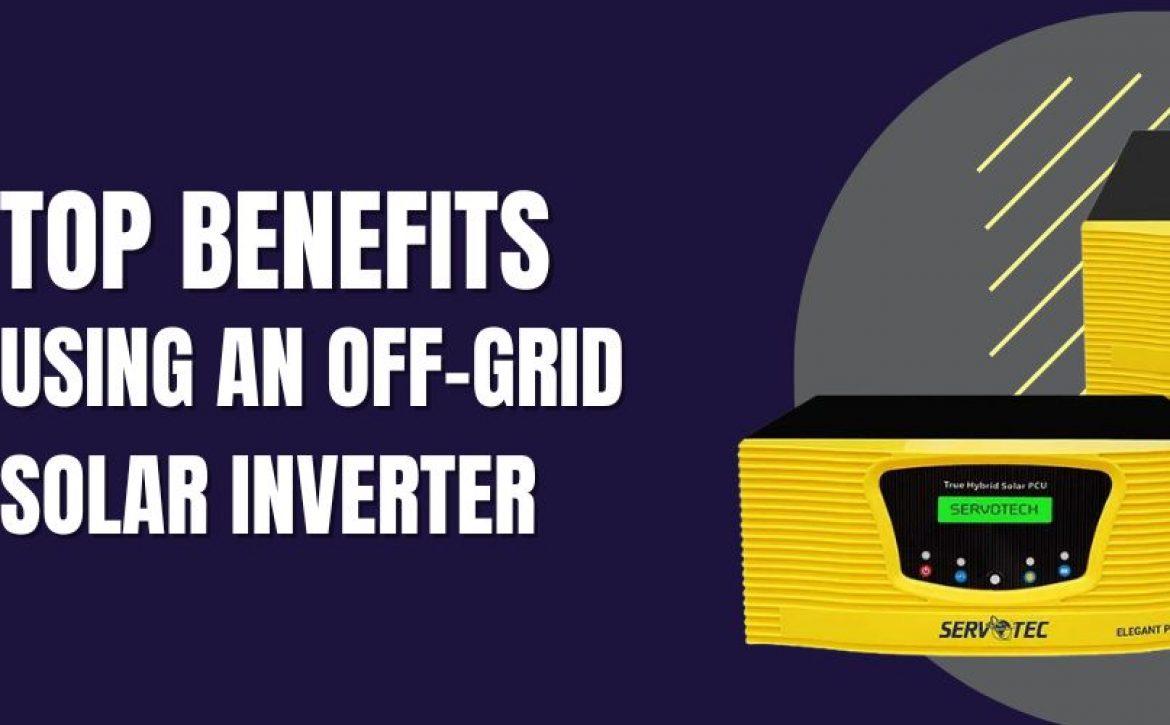
Top 7 Benefits of Using an Off-Grid Solar Inverter for Sustainable Power

With the rising demand for renewable energy and increasing concerns about energy security, off-grid solar systems are gaining immense popularity. At the heart of these systems lies the off-grid solar inverter, a device that plays a crucial role in converting solar energy into usable electricity without relying on the main grid.

An off-grid solar inverter converts the DC (direct current) power generated by solar panels into AC (alternating current) electricity, which can be used to run home appliances, tools, and devices. Unlike on-grid or hybrid systems, off-grid systems operate independently and require a reliable battery bank for energy storage. This blog explores the key benefits of off-grid solar inverters, their ideal use cases, and what to consider before choosing one. Whether you’re living in a remote area or simply looking for energy autonomy, this blog will help you understand why using an off-grid solar system could be the best decision for your energy needs.

What is an Off-Grid Solar Inverter?

An off-grid solar inverter is a device used in standalone solar power systems that are not connected to the national electricity grid. It manages the flow of electricity between solar panels, batteries, and appliances.

How it Differs from On-Grid and Hybrid Inverters

  • On-Grid Inverter: Works only when connected to the grid. It shuts down during power outages.
  • Hybrid Inverter: Combines features of both on-grid and off-grid, allowing limited backup.

Off-Grid Inverter: Operates independently with battery storage, making it ideal for areas with unreliable or no grid connection.

Key Benefits of Using an Off-Grid Solar Inverter

1. Energy Independence

One of the most significant benefits of off-grid solar inverters is achieving total energy independence. You no longer need to rely on utility companies or worry about electricity bills. This is especially valuable in areas with rising energy costs or frequent power cuts.

  • Create and store your own electricity
  • Gain complete control over energy usage
  • Say goodbye to fluctuating grid prices

2. Reliable Power in Remote Areas

If you live in a rural location, a mountain cabin, or an island community, an off-grid solar inverter offers a dependable power source where traditional grid electricity may not be available. It enables self-sufficiency and helps avoid costly infrastructure expansion.

  • Perfect solar inverter for remote areas
  • No need to wait for grid extension
  • Suitable for farms, campsites, and isolated villages

3. No Dependency on the Electricity Grid

Grid failures, load shedding, and voltage fluctuations are common issues in many parts of the world. With an off-grid system, your home or business continues to function smoothly without being affected by external grid problems.

  • Avoid blackouts and downtime
  • Excellent for disaster-prone zones
  • Greater reliability during extreme weather

4. Backup Power During Outages

Whether due to natural disasters or scheduled maintenance, power outages can disrupt daily life. Off-grid inverters provide seamless backup power, ensuring your essentials—like lights, fridge, AND internet- stay powered.

  • Automatic switchover to stored solar energy
  • Ideal for medical equipment or security systems
  • Peace of mind during emergencies

5. Cost Savings Over Time

Though the initial investment may be higher, off-grid solar power benefits include long-term cost savings. Avoid monthly electricity bills and reduce diesel generator costs.

  • No recurring power bills
  • Lower maintenance costs compared to diesel gensets
  • Attractive return on investment over 5–7 years

6. Environmental Friendly Energy Solution

Reducing carbon emissions is a major reason to go solar. Off-grid systems run entirely on clean energy, minimizing your environmental footprint and helping combat climate change.

  • Zero emissions and noise pollution
  • Promote sustainable living
  • Support green energy initiatives

7. Customizable Systems Based on Needs

Off-grid solar inverters can be tailored to meet specific energy requirements, making them highly flexible. From small homes to large agricultural setups, systems can be designed with varying panel sizes, battery capacities, and inverter ratings.

  • Scalable systems for growing energy needs
  • A wide range of the best solar inverters for off-grid use
  • Integrate with energy-efficient appliances

Who Should Use an Off-Grid Solar Inverter?

An off-grid inverter is ideal for:

  • Rural and remote households where grid access is limited or unreliable.
  • Farms and agricultural setups for powering water pumps, lighting, and equipment.
  • Off-grid cabins or vacation homes for weekend getaways or eco-lodges.
  • Commercial businesses in remote areas, such as telecom towers, warehouses, or remote offices.
  • Disaster-prone areas where grid restoration after storms or earthquakes takes time.

If any of the above apply to you, it’s time to explore the benefits of off-grid solar inverters and consider transitioning to a self-reliant power solution.

Things to Consider Before Choosing an Off-Grid System

Before installing an off-grid solar system, keep the following in mind:

Battery Storage Capacity

Your batteries must store enough energy to last through cloudy days and nights. Choose lithium-ion or deep-cycle batteries for long-lasting performance.

  • Consider options allowing energy expansion in the future
  • Ensure proper battery maintenance

Solar Panel Compatibility

Ensure the inverter is compatible with your chosen solar panels and can handle the total wattage of your solar system.

  • Match the panel output with the inverter input
  • Use quality solar panels for the best performance

Power Requirements

Assess your household’s energy needs in terms of daily kWh usage to select an appropriately sized inverter.

  • Calculate appliance wattage
  • Include a margin for peak loads

Maintenance and Monitoring

Regular maintenance ensures longevity and efficiency. Look for systems that offer remote monitoring for easy troubleshooting.

  • Clean panels and check battery health
  • Use smart monitoring apps

Conclusion

As the world moves towards sustainable living, off-grid solar inverters are becoming a smart, long-term investment. They provide energy independence, reliable power in remote areas, and a clean alternative to fossil fuels. With customizable setups and a decreasing cost curve, more homeowners and businesses are realizing the benefits of off-grid solar power for both their wallets and the planet. Looking to go off-grid? Explore our top-rated off-grid solar inverters today and take control of your energy future.

Read More
Solar
December 7, 2021by servotech team0 Comments
569 Likes

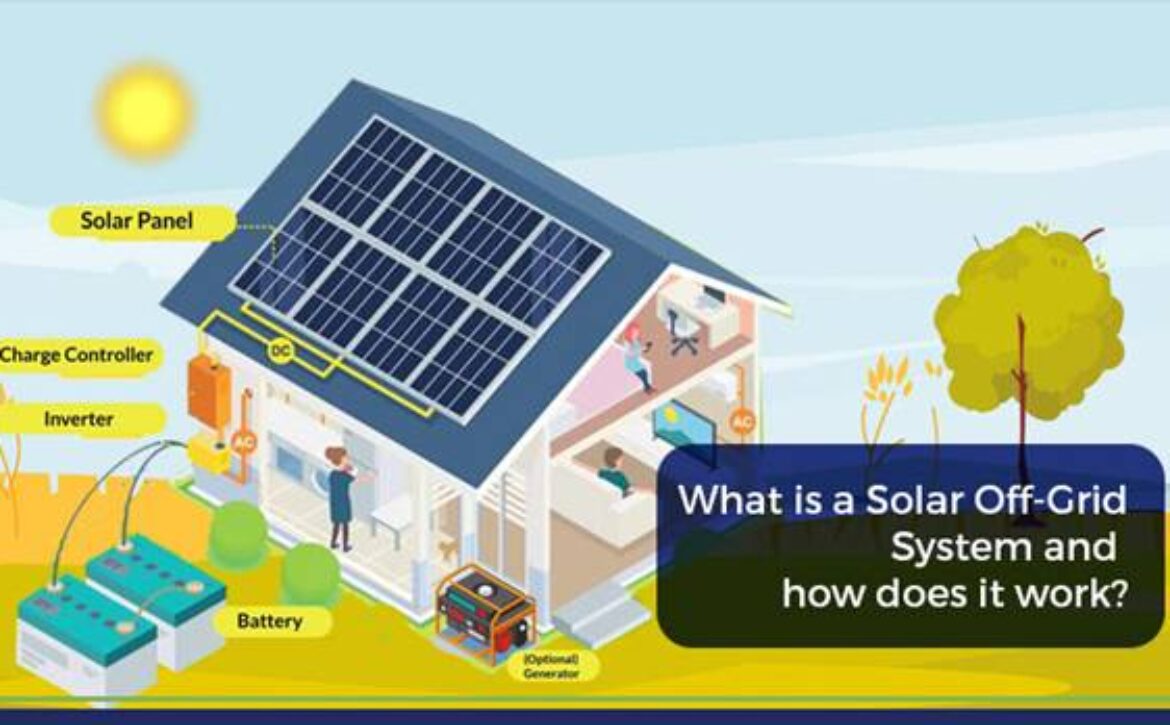
What is a Solar Off-Grid System and how does it work?

People are moving to clean, renewable energy to help make the world a greener place, and solar energy is one of the most popular options among homeowners. When transitioning to solar energy, homeowners can select between a grid-tied solar system and an off-grid solar system. Because a grid-tied solar system is connected to the city’s power infrastructure, homeowners are advised to utilize an off-grid system to avoid any issues with the city’s electricity grid.

When connected to the electrical grid, power outages can occur for a variety of causes, and they can last anywhere from a few minutes to several weeks, an off-grid solar system may store energy in batteries for use during outages, and households can even withdraw from the grid and rely solely on the system for power.

What is an Off-Grid Solar System?

An off-grid solar system is a solar panel system that generates electricity from the sunrays and stores it in the battery. It is designed to run independently of the power grid. Because an off-grid system is not connected to the power grid, it requires battery storage. Off-grid solar systems must be appropriately constructed to generate enough power throughout the year and have enough battery capacity to meet the home’s needs, even when sunlight is sparse in the dead of winter.

Going off the grid eliminates the need to pay monthly electric bills. While the system is pricey, the fact that you won’t have to pay any electric bills in the long run is beneficial because it allows you to save money for other things.

Off-grid systems are substantially more expensive than on-grid systems due to the high cost of batteries and off-grid inverters. As a result, they are usually only needed in more rural places that are far from the power grid. However, as battery prices fall, the market for off-grid solar battery systems is expanding, even in cities and towns.

Save up to 80% on your Electricity Bills.

With Servotech’s Efficient Solar Solutions

Get Quote

Off-Grid Solar Systems Working

Off-grid solar power systems, also known as stand-alone power systems, are one of the most common forms of solar power systems (SAPS). It operates by using solar panels to generate power, which is then used to charge a solar battery via a charger controller. The electricity is then converted using an inverter to power the appliances in the home or company. It is feasible to power a home on solar energy even at night or when there is less sun exposure by storing electricity in a solar battery.

Because remote areas have little infrastructure, connecting to the electricity grid can be difficult for residents, making off-grid solar systems ideal for such situations. Because solar panels require sunshine to collect electricity, mounting them on roofs is sufficient. Staying off the grid and using solar energy allows people to enjoy the benefits of power without having to pay monthly electric bills or connection fees.

Off-grid solar systems are ideal for providing consumers with clean, renewable energy. Solar energy allows homes to help make the world a cleaner and greener place, especially when they are cut off from the power grid.

There are other types of off-grid systems, which we shall discuss in greater depth later, but for now, let’s keep it simple. The diagram above depicts a larger AC-linked system. In smaller DC-coupled systems, a solar charge controller manages battery charging, after which the DC power is converted to AC and transmitted to your home appliances via an off-grid converter.

Off-Grid Solar Power System Components

Solar Panels – The quantity of available sunshine in the location, the useable space on the roof, and energy consumption needs will all influence the size and production capabilities of the individual solar panel array, which is the first element.

Batteries – A solar battery is required to keep the house running after the sun has set. As solar panels create excess electricity, the solar storage device will charge throughout the day. Rather than wasting all of that potential solar energy, a battery allows it to be saved for later use. A single battery, or perhaps a battery bank, is employed depending on the energy requirements.

Inverters – Solar power systems require a solar inverter, also known as a solar converter or a PV inverter, to convert the direct current (DC) gathered by solar panel arrays into alternating current (AC) for running most typical household appliances and gadgets. Use a stand-alone inverter for an off-grid installation.

Solar Charge Controller – To save the battery, a solar charge controller or battery charger is required. To prevent overcharging and damage to the solar battery, the controller limits the voltage and current it gets.

Alternative Energy Source – It could be worthwhile to investigate a backup energy supply for the system. This is especially important during the winter months when solar generation is at its lowest. Many people who employ off-grid systems pair them with a generator to meet their home’s power needs.

Off-Grid Solar Systems Advantages

Off-Grid Solar Systems Have a Lot of Benefits

1. No connection to the power grid – In some distant places, off-grid solar systems may be less expensive than extending power lines.

2. Self-sufficient in terms of energy – Another significant benefit of getting off the grid is complete independence from electricity sellers. You won’t have to pay anything for electricity, and you’ll be completely protected from growing energy prices.

3. Outage Protection – The system also guards against grid-connected power outages or blackouts. It feels fantastic to be self-sufficient and live off the grid.

4. Reliability – Self-sufficiency in energy is also a type of security. Off-grid solar systems are unaffected by power outages on the utility grid.

Conclusion

Not only will you save a lot of money on your electricity bills in the short term, but you can expect your home solar panel installation cost to be more than recouped in full when you sell your property. You can also anticipate a quicker sale of your home.

If you’re thinking about installing solar and moving in the next several years, go for it.

Looking for Reliable Solar Solutions

Talk to Our Solar Experts

Get Quote

    Connect Now!

    Our expert will contact you soon.

    About us
    Awards & FelicitationsOur CapabilitiesOur CompanyOur LeadershipOur ProjectsTestaments
    Follow us
    Products
    EV ChargerLEDsPower & Backup
    Subsidiary Company
    Servotech EV Infra Pvt. Ltd. Servotech Sports and Entertainment Pvt. Ltd. Rebreathe Medical Devices India Pvt. Ltd. Hertz & Pixelz Pvt. Ltd.
    Media
    BlogsEventsMedia CoveragesMedia KitPress Release
    Quick Links
    Store LocatorSolar CalculatorEV Charging AppVendor RegistrationSite Map
    Write to us
    Sales
    servotech@servotechindia.comexportsales@servotechindia.comchannelsales@servotechindia.com
    Public Relations
    pr@servotechindia.com
    Marketing
    marketing@servotechindia.com
    ebiz@servotechindia.com
    Careers
    hr@servotechindia.com
    Contact us

    For Sales Enquiry: 011 41183116

    For EV Chargers sales: 9717691800

    For Service: 011 41183119

    Email : customercare@servotechindia.com

    Corporate Office

    806, 8th Floor, Crown Heights, Hotel Crown Plaza, Sector 10, Rohini New Delhi 110085

    Registered & Kundli Plant Address

    KHATA NO. 1970, KHEWAT NO. 1672, KHASRA NO. 21/20/2/2, REVENUE ESTATE, KUNDLI, P.S.Rai, Sonipat, Sonipat 131029, Haryana, India

    Safiabad Address

    Killa No.14, 6/1/2(0-3), 6/2/3(5-13, Safiabad, Pana Paposhian, Tehsil, Rai, Sonipat, Haryana 131029

    Follow us

    Awards & FelicitationsOur CapabilitiesOur CompanyOur LeadershipOur ProjectsTestaments

    EV ChargerLEDsPower & BackupSolar Products

    Servotech EV Infra Pvt. Ltd. Servotech Sports and Entertainment Pvt. Ltd. Rebreathe Medical Devices India Pvt. Ltd. Hertz & Pixelz Pvt. Ltd.

    BlogsEventsMedia CoveragesMedia KitPress Release

    Store LocatorSolar CalculatorEV Charging AppVendor RegistrationSite Map

    Sales
    servotech@servotechindia.comexportsales@servotechindia.comchannelsales@servotechindia.com
    Public Relations
    pr@servotechindia.com
    Marketing
    marketing@servotechindia.com
    ebiz@servotechindia.com
    Careers
    hr@servotechindia.com

    For Sales Enquiry: 011 41183116

    For EV Chargers sales: 9717691800

    For Service: 011 41183119

    Email : customercare@servotechindia.com

    Corporate Office

    806, 8th Floor, Crown Heights, Hotel Crown Plaza, Sector 10, Rohini New Delhi 110085

    Registered & Kundli Plant Address

    KHATA NO. 1970, KHEWAT NO. 1672, KHASRA NO. 21/20/2/2, REVENUE ESTATE, KUNDLI, P.S.Rai, Sonipat, Sonipat 131029, Haryana, India

    Safiabad Address

    Killa No.14, 6/1/2(0-3), 6/2/3(5-13, Safiabad, Pana Paposhian, Tehsil, Rai, Sonipat, Haryana 131029

    Copyright 2026 © Servotech Renewable Power System Limited: Privacy Policy. Brand Guidelines. Our Capability. Legal Disclaimer. Terms of use

    Top