
• About Us
    • Awards & Felicitations
    • Our Company
    • Our Leadership
    • Our Projects
    • Testaments
  • Products
    • EV Charger
      • Spark Series (AC Charger)
      • Squad Series (DC Charger)
    • LEDs
      • Domestic LED
      • Commercial LED
    • Power & Backup
      • Battery
      • Servo Stabilizer
      • UPS
    • Solar Solutions
      • Solar Inverter
      • ServPort
      • Solar Management Unit
      • Solar Batteries
      • Solar Panels
    • Electric 3W Solutions
      • Lithium Battery
      • Electric 3W Charger
    • Others
      • Oxygen Concentrator
      • UVC
  • Solutions
    • Solar EPC
    • Solar Calculator
    • EV Calculator
  • Media
    • Blogs
    • Events
    • Media Coverages
    • Media Kit
    • Press Releases
  • Investors
  • Contact

Type To Search

  • About Us
    • Awards & Felicitations
    • Our Company
    • Our Leadership
    • Our Projects
    • Testaments
  • Products
    • EV Charger
      • Spark Series (AC Charger)
      • Squad Series (DC Charger)
    • LEDs
      • Domestic LED
      • Commercial LED
    • Power & Backup
      • Battery
      • Servo Stabilizer
      • UPS
    • Solar Solutions
      • Solar Inverter
      • ServPort
      • Solar Management Unit
      • Solar Batteries
      • Solar Panels
    • Electric 3W Solutions
      • Lithium Battery
      • Electric 3W Charger
    • Others
      • Oxygen Concentrator
      • UVC
  • Solutions
    • Solar EPC
    • Solar Calculator
    • EV Calculator
  • Media
    • Blogs
    • Events
    • Media Coverages
    • Media Kit
    • Press Releases
  • Investors
  • Contact

Type To Search

  • About Us
    • Awards & Felicitations
    • Our Company
    • Our Leadership
    • Our Projects
    • Testaments
  • Products
    • EV Charger
      • Spark Series (AC Charger)
      • Squad Series (DC Charger)
    • LEDs
      • Domestic LED
      • Commercial LED
    • Power & Backup
      • Battery
      • Servo Stabilizer
      • UPS
    • Solar Solutions
      • Solar Inverter
      • ServPort
      • Solar Management Unit
      • Solar Batteries
      • Solar Panels
    • Electric 3W Solutions
      • Lithium Battery
      • Electric 3W Charger
    • Others
      • Oxygen Concentrator
      • UVC
  • Solutions
    • Solar EPC
    • Solar Calculator
    • EV Calculator
  • Media
    • Blogs
    • Events
    • Media Coverages
    • Media Kit
    • Press Releases
  • Investors
  • Contact
  • About Us
    • Awards & Felicitations
    • Our Company
    • Our Leadership
    • Our Projects
    • Testaments
  • Products
    • EV Charger
      • Spark Series (AC Charger)
      • Squad Series (DC Charger)
    • LEDs
      • Domestic LED
      • Commercial LED
    • Power & Backup
      • Battery
      • Servo Stabilizer
      • UPS
    • Solar Solutions
      • Solar Inverter
      • ServPort
      • Solar Management Unit
      • Solar Batteries
      • Solar Panels
    • Electric 3W Solutions
      • Lithium Battery
      • Electric 3W Charger
    • Others
      • Oxygen Concentrator
      • UVC
  • Solutions
    • Solar EPC
    • Solar Calculator
    • EV Calculator
  • Media
    • Blogs
    • Events
    • Media Coverages
    • Media Kit
    • Press Releases
  • Investors
  • Contact
Read More
Solar
June 6, 2026by servotech team0 Comments
19 Likes

Top Questions Indians Are Asking About Rooftop Solar in 2026

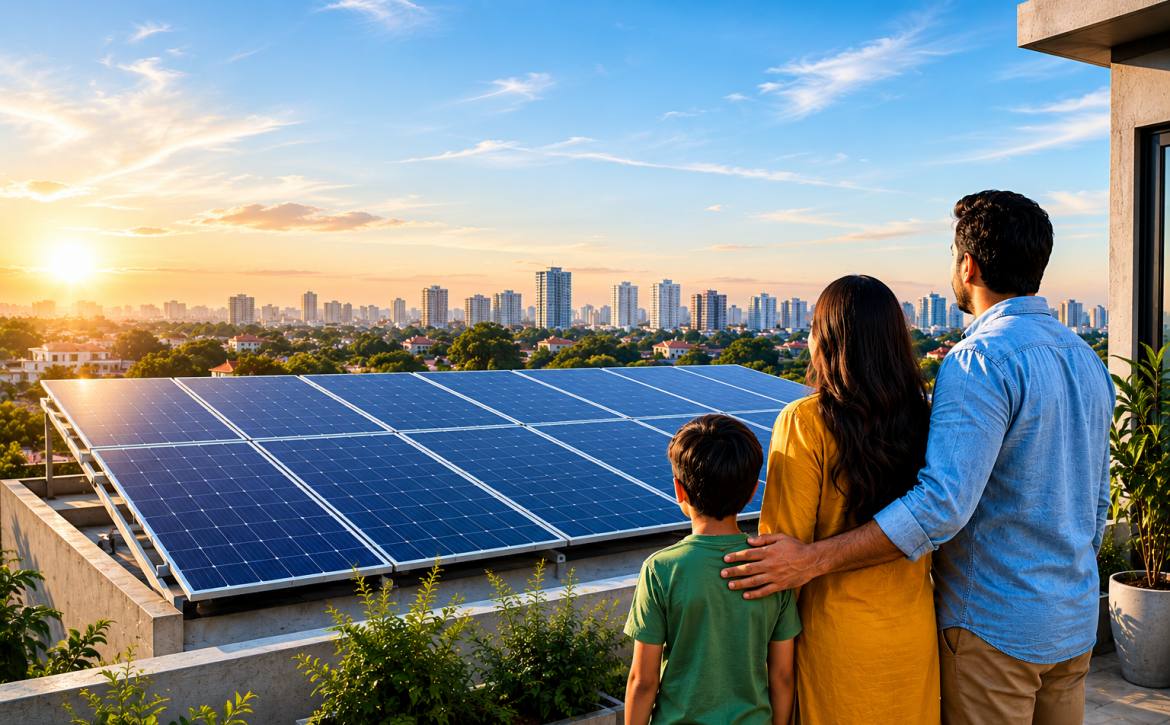
India’s rooftop solar sector is witnessing unprecedented growth. With increasing awareness about renewable energy, government initiatives such as PM Surya Ghar: Muft Bijli Yojana, and advancements in solar technology, more homeowners are considering solar power as a practical solution for their energy needs.

At the same time, rooftop solar has become one of the most discussed topics among homeowners, housing societies, and businesses. People are actively searching for answers related to installation costs, subsidies, electricity savings, roof space requirements, and system performance.

This growing curiosity reflects a larger shift toward smarter energy choices—a message that also resonates with Servotech’s recent “Raho Roshan Bina Tension” campaign featuring Sonu Sood. The campaign highlights how modern households are increasingly looking for reliable and sustainable energy solutions that can support their everyday needs.

If you’re planning to install a rooftop solar system, here are some of the most common questions Indians are asking in 2026.

Is Rooftop Solar Worth It in 2026?

One of the biggest questions homeowners ask is whether rooftop solar is still a worthwhile investment.

The answer is yes.

Modern solar systems are more efficient, reliable, and affordable than ever before. With electricity consumption increasing across Indian households, rooftop solar offers an opportunity to generate clean energy while reducing dependence on conventional grid power.

A properly designed rooftop solar system can provide long-term savings, generate electricity for more than two decades, and help homeowners gain greater control over their energy expenses.

How Much Does a Rooftop Solar System Cost?

Cost remains one of the most searched rooftop solar topics in India.

The price of a solar system depends on several factors, including:

  • System capacity
  • Solar panel technology
  • Inverter quality
  • Installation requirements
  • Location
  • Government subsidy eligibility

For example, a small household may require a 2kW system, while larger homes often opt for 3kW, 5kW, or higher capacities based on their electricity consumption patterns.

Understanding your energy requirements is the first step toward determining the right solar system size and investment.

How Much Can I Save on My Electricity Bill?

This question often drives people to explore solar in the first place.

The amount you save depends on factors such as:

  • Monthly electricity consumption
  • Solar system size
  • Sunlight availability
  • Net metering policies
  • Local electricity tariffs

For many households, rooftop solar can significantly reduce electricity expenses while providing long-term financial benefits.

As consumers become more conscious about energy usage, they are increasingly looking for solutions that offer both sustainability and cost savings.

What Is PM Surya Ghar Muft Bijli Yojana?

Government support has played a major role in accelerating rooftop solar adoption across India.

The PM Surya Ghar Muft Bijli Yojana is designed to encourage residential consumers to install rooftop solar systems by providing financial assistance and simplifying the adoption process.

The scheme aims to:

  • Increase residential solar adoption
  • Promote clean energy generation
  • Reduce electricity expenses
  • Support India’s renewable energy goals

As a result, searches related to solar subsidies and PM Surya Ghar continue to rise across the country.

How Many Solar Panels Are Required for a House?

Every home has unique energy requirements, which means there is no one-size-fits-all answer.

The number of solar panels required depends on:

  • Monthly electricity consumption
  • Available roof space
  • Solar panel wattage
  • Desired energy generation

A smaller home may require a 2kW system, while a larger 3BHK house may need a 5kW rooftop solar system to meet daily electricity demands.

Proper system sizing ensures optimal performance and maximum savings.

What Is Net Metering and Why Is It Important?

Net metering is one of the most important concepts in rooftop solar.

It allows homeowners to export surplus electricity generated by their solar system to the grid. In return, they receive credits that can offset future electricity consumption.

Benefits of net metering include:

  • Better utilization of solar energy
  • Improved return on investment
  • Reduced electricity bills
  • Greater energy efficiency

For many homeowners, understanding net metering is an essential part of the solar adoption journey.

How Much Roof Space Is Needed for Rooftop Solar?

Roof space requirements vary depending on system capacity and panel efficiency.

In general:

  • A 2kW system may require approximately 150–200 square feet.
  • A 3kW system may require approximately 200–300 square feet.
  • A 5kW system may require approximately 350–500 square feet.

A shadow-free rooftop with good sunlight exposure can significantly improve system performance and electricity generation.

How Long Do Solar Panels Last?

Modern solar panels are built for long-term performance. Most quality solar panels have a lifespan of 25 years or more and continue generating electricity efficiently throughout their operational life.

Routine maintenance is minimal and typically includes periodic cleaning and basic inspections to ensure optimal performance.

This long lifespan makes rooftop solar a valuable long-term investment for homeowners.

What Happens During a Power Cut?

Many homeowners assume that rooftop solar systems automatically provide backup power during outages. However, a standard on-grid solar system shuts down during a power outage for safety reasons.

Consumers seeking uninterrupted power supply often explore:

  • Hybrid solar systems
  • Battery Energy Storage Systems (BESS)
  • Lithium-ion battery solutions

As energy storage technologies continue to evolve, more homeowners are considering integrated solar-plus-storage solutions.

Which Company Should You Choose for Rooftop Solar Installation?

Choosing the right solar partner is one of the most important decisions in the entire process.

Homeowners should evaluate:

  • Product quality
  • Installation expertise
  • Warranty support
  • Service network
  • Industry experience
  • After-sales support

A reliable installation partner can significantly influence the long-term performance and efficiency of a rooftop solar system.

Servotech Renewable Power System is an Indian renewable energy company offering solar solutions, EV chargers, and lithium-ion battery systems. The company provides rooftop solar solutions for residential, commercial, and industrial applications, helping consumers transition toward sustainable energy systems.

Why Are More Indians Talking About Rooftop Solar?

The questions consumers are asking today reveal an important trend.

A few years ago, most people wanted to know what solar energy was.

Today, they are asking:

  • How much can I save?
  • What subsidy is available?
  • Which system size is right for my home?
  • How does net metering work?
  • Is rooftop solar worth the investment?

This shift indicates growing awareness and confidence in solar technology.

Campaigns such as “Raho Roshan Bina Tension” help bring these conversations into mainstream households by making solar energy more relatable and easier to understand.

As awareness grows, rooftop solar is becoming less of an alternative energy solution and more of a practical choice for modern living.

Conclusion

Rooftop solar has become one of the most important energy discussions in India today. Whether it’s understanding costs, evaluating savings, exploring subsidy opportunities, or selecting the right system size, homeowners are seeking practical information to make informed decisions.

The growing number of questions around rooftop solar is a positive sign. It reflects increasing awareness about renewable energy and a willingness to embrace smarter energy solutions for the future.

For homeowners considering solar, asking the right questions is the first step toward making a confident and informed investment in clean energy.

Frequently Asked Questions

Is rooftop solar a good investment in 2026?

Yes. Rooftop solar continues to offer long-term savings, reduced electricity bills, and greater energy independence for homeowners.

How much roof space is required for rooftop solar?

The requirement depends on system size, but most residential installations need between 150 and 500 square feet of shadow-free rooftop space.

Does PM Surya Ghar provide subsidy for rooftop solar?

Yes. Eligible residential consumers can avail subsidy benefits under the PM Surya Ghar: Muft Bijli Yojana, subject to prevailing guidelines.

How long do rooftop solar panels last?

Most high-quality solar panels are designed to operate efficiently for 25 years or more.

Can rooftop solar work during a power outage?

Standard on-grid systems do not provide backup power during outages. Hybrid systems with battery storage can offer backup support.

Read More
Solar
April 29, 2026by servotech team0 Comments
83 Likes

Benefits of Commercial Solar Panels for Your Business

Electricity bills are one of the biggest operational expenses for any business. Whether you run a factory, office, warehouse, or retail space, rising energy costs directly impact your profitability. That’s where commercial solar panels come in—not just as an eco-friendly option, but as a smart financial decision.

In this guide, let’s break down what commercial solar panels are, their cost, real-world uses, and why more Indian businesses are shifting to solar.

What are Commercial Solar Panels?

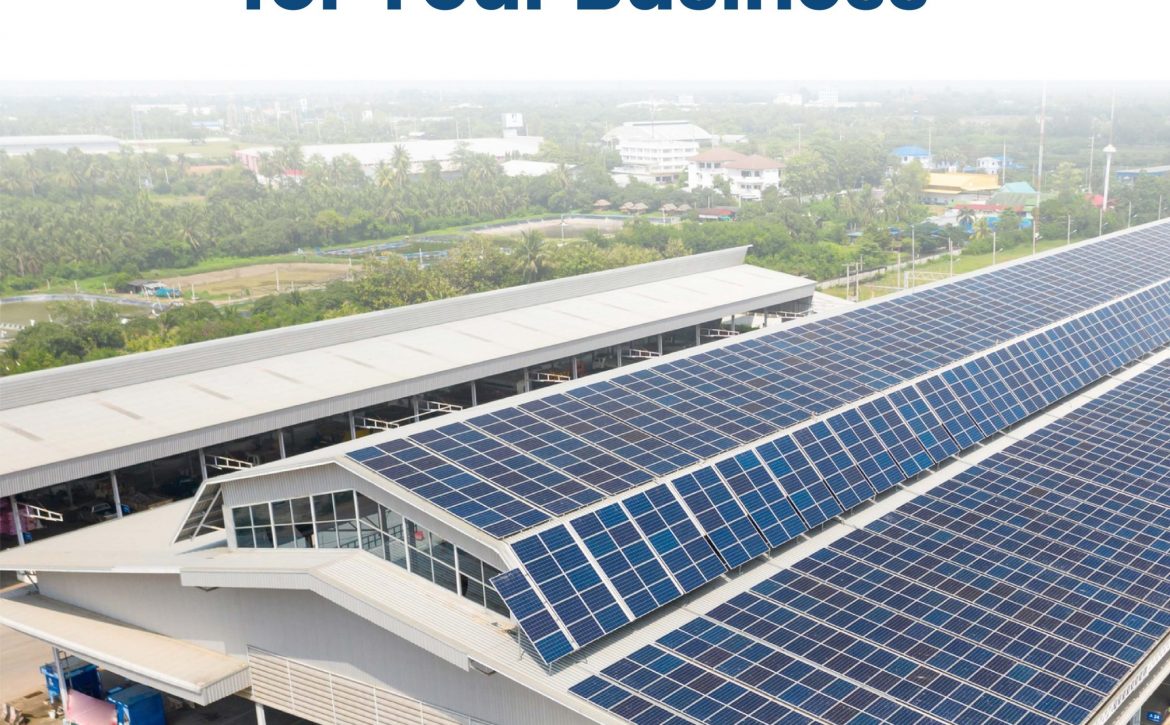
Commercial solar panels are large-scale solar systems designed to generate electricity for businesses, industries, and commercial buildings.

Unlike residential systems, these setups are:

  • Higher in capacity (kW to MW scale)
  • Built for continuous energy demand
  • Installed on rooftops, ground mounts, or industrial sheds

They convert sunlight into electricity using photovoltaic (PV) technology, helping businesses reduce dependency on grid power.

 Where are they used?

  • Factories & manufacturing units
  • Office buildings & IT parks
  • Shopping malls & retail outlets
  • Hospitals & educational institutions
  • Warehouses & logistics hubs

Read also: Top 10 Rooftop Solar Panel Manufacturers in India 2026

Commercial Solar Panels Cost in India

The cost of commercial solar panels in India typically ranges between ₹40,000 to ₹60,000 per kW, depending on system size, quality, and installation complexity.

Estimated Cost Breakdown:

  • 10 kW system → ₹5–6 Lakhs
  • 50 kW system → ₹25–30 Lakhs
  • 100 kW system → ₹55–60 Lakhs

What affects the cost?

  • Type of solar panels (Mono PERC / Bifacial)
  • Inverter quality
  • Installation structure (RCC / metal roof)
  • Location & sunlight availability
  • Net metering policies

Government Support

Businesses can also benefit from:

  • Accelerated depreciation
  • State-level subsidies (in some cases)
  • Net metering benefits

This significantly reduces the overall investment and improves ROI.

Click here to Become our Distributor

Solar Panels for Commercial Buildings: Use Cases

Commercial solar is not just for saving electricity—it transforms how businesses operate.

1. Reducing Operational Costs

Solar helps cut electricity bills by up to 70–90%, especially for energy-intensive industries.

2. Powering Heavy Equipment

Factories and warehouses can run machinery, HVAC systems, and lighting through solar energy.

3. Peak Load Management

Solar reduces dependency during peak tariff hours, lowering demand charges.

4. Sustainable Branding

Using solar energy enhances your brand image as an environmentally responsible business.

5. EV Charging Integration

Commercial setups can integrate EV charging stations powered by solar—future-ready and cost-efficient.

Key Benefits of Commercial Solar Panels for Businesses

1. Massive Cost Savings

Once installed, solar energy is essentially free for 20–25 years.

2. High ROI (Return on Investment)

Most businesses recover their investment within 3–5 years.

3. Energy Independence

Reduced reliance on grid electricity and protection from rising tariffs.

4. Low Maintenance

Solar systems require minimal maintenance with long-lasting performance.

5. Long-Term Asset Value

Solar installations increase property value and business credibility.

Why Businesses in India are Rapidly Adopting Solar

  • Rising electricity costs
  • Government push for renewable energy
  • ESG (Environmental, Social, Governance) goals
  • Increasing EV adoption

Solar is no longer an alternative—it’s becoming a necessity.

Conclusion: Is Your Business Ready for Solar?

Today, commercial solar panels are no longer just an alternative energy source—they have become a smart and strategic business investment. Whether your goal is to reduce electricity costs, improve long-term savings, or build a more sustainable brand, solar delivers value on every front.

While the initial investment may seem significant, the long-term benefits—like high ROI, government incentives, and energy independence—make it a financially sound and future-ready decision.

That’s exactly why businesses across India, from small enterprises to large industries, are rapidly shifting toward solar energy.

If you’re planning to adopt commercial solar for your business, choosing the right technology and the right partner makes all the difference.

With Servotech, you get:

  • Reliable, high-efficiency solar solutions
  • End-to-end support—from consultation to installation
  • Advanced monitoring for better performance and control

This means you’re not just installing solar—you’re building a long-term, sustainable energy solution for your business.

So, the real question is—are you ready to make your business energy-efficient and future-ready?

If yes, the journey begins with solar.

Read also: How To Reduce Your Electricity Bill With A Solar Power System?

FAQs (Frequently Asked Questions)l

What is the lifespan of commercial solar panels?

Commercial solar panels typically last 25–30 years with proper maintenance.

Is commercial solar a good investment?

Yes, it offers high ROI, reduces electricity costs, and provides long-term savings.

How much space is required for commercial solar?

On average, 100 kW requires around 8,000–10,000 sq. ft. of rooftop space.

Can solar panels run a factory?

Yes, solar can power most factory operations, especially when combined with grid support or battery storage.

Read More
Solar
July 2, 2024by servotech team0 Comments
515 Likes

Will India Meet Revised Solar Rooftop Deadline by 2026?

How does the existing subsidy structure for coal-fired electricity impact the affordability of rooftop solar systems?

The existing subsidy structure for coal-fired electricity distorts the true energy cost and creates an uneven playing field for rooftop solar systems. Coal power plants receive subsidies that bring down the upfront cost for electricity generation companies. These subsidies often don’t reflect the full environmental and health costs of coal pollution. The subsidized generation cost translates to lower retail electricity prices for consumers. This makes rooftop solar, which has a higher upfront cost despite lower long-term running costs, seem less attractive financially. Lower retail electricity prices due to coal subsidies decrease the potential savings from generating your own solar power. This lengthens the payback period for rooftop solar investments, making them less appealing for cost-conscious consumers. In essence, coal subsidies artificially cheapen grid electricity, hindering the economic viability of rooftop solar and slowing down the transition to cleaner energy sources.

What are some of the key challenges identified in achieving widespread adoption of rooftop solar systems in India, particularly in rural areas?

Widespread adoption of rooftop solar in rural India encounters several challenges unique to these areas. While solar panels promise long-term savings, the initial investment poses a significant barrier for rural households with limited disposable income. Therefore, subsidies and tailored financing options are essential to make solar energy accessible. Moreover, many rural regions suffer from unreliable or nonexistent grid infrastructure, limiting the benefits of rooftop solar as generated power cannot be fed back to the grid for net metering. Addressing this issue requires significant investment in grid infrastructure. Additionally, the lack of access to information and technical expertise about solar technology inhibits adoption in rural communities, emphasizing the need for educational outreach programs. Furthermore, the structural suitability of common rural roof types, such as thatched roofs, for solar panel installations poses a challenge, necessitating alternative mounting solutions or exploring ground-mounted options. Moreover, the perception of complex maintenance requirements can discourage rural households from embracing solar energy. To overcome this, easy-to-maintain systems and accessible local service providers are essential. By implementing targeted policies, providing financial incentives, and conducting capacity-building initiatives, the vast potential of rooftop solar in rural India can be unlocked.

What are the factors that should be focused on to achieve the 40 GW target by 2026?

India can create a conducive environment for rapid rooftop solar deployment and achieve the ambitious 40 GW target by 2026 and achieve the same via a multi-pronged approach focusing on technical and financial aspects. Develop innovative financing models like rooftop solar loans with attractive interest rates, long repayment terms, and power purchase agreements (PPAs) for larger installations. This can improve affordability and spread the upfront cost. Simplify and streamline net metering policies to incentivize excess power feed-back to the grid. This can encourage larger rooftop installations and presumption models where consumers are both producers and consumers of electricity. Target subsidies towards low-income households in rural areas to bridge the affordability gap. Upgrade and expand the distribution grid infrastructure, especially in rural areas, to handle the increased power injection from rooftop solar systems and ensure reliable grid integration. Promote research and development in areas like building-integrated photovoltaics (BIPV) for efficient use of rooftop space, and explore cost-effective, lightweight mounting solutions suitable for different roof types.

How has India’s solar energy capacity evolved over the past decade, and what role do residential rooftop installations play in achieving the country’s renewable energy targets?

India’s solar energy sector has experienced remarkable growth in the past decade, surging from a modest 1.9 GW in 2010 to over 100 GW by 2023. This phenomenal expansion can be attributed to several factors. Technological advancements in photovoltaic technology have notably slashed panel costs, rendering solar energy more economically feasible. Moreover, supportive policies such as subsidies, net metering, and production-linked incentives have propelled the widespread adoption of large-scale solar projects. However, residential rooftop installations, although currently representing a smaller segment of the total solar capacity, offer unique advantages. Firstly, rooftop solar facilitates decentralized power generation, diminishing reliance on centralized power plants and transmission infrastructure. Additionally, rooftop solar generation during peak demand periods, particularly in the afternoons, alleviates strain on the grid. Furthermore, rooftop solar contributes to enhancing grid resilience by diversifying the energy mix and bolstering grid stability. While large-scale solar farms remain pivotal, the widespread adoption of rooftop solar is imperative for India to achieve its ambitious renewable energy targets.

The Interview is originally published in Entrepreneur India April issue

Read Full Interview: https://www.entrepreneur.com/en-in/growth-strategies/will-india-meet-revised-solar-rooftop-deadline-of-2026/472108

Read More
Solar
January 24, 2024by Prabhutva Tiwari0 Comments
650 Likes

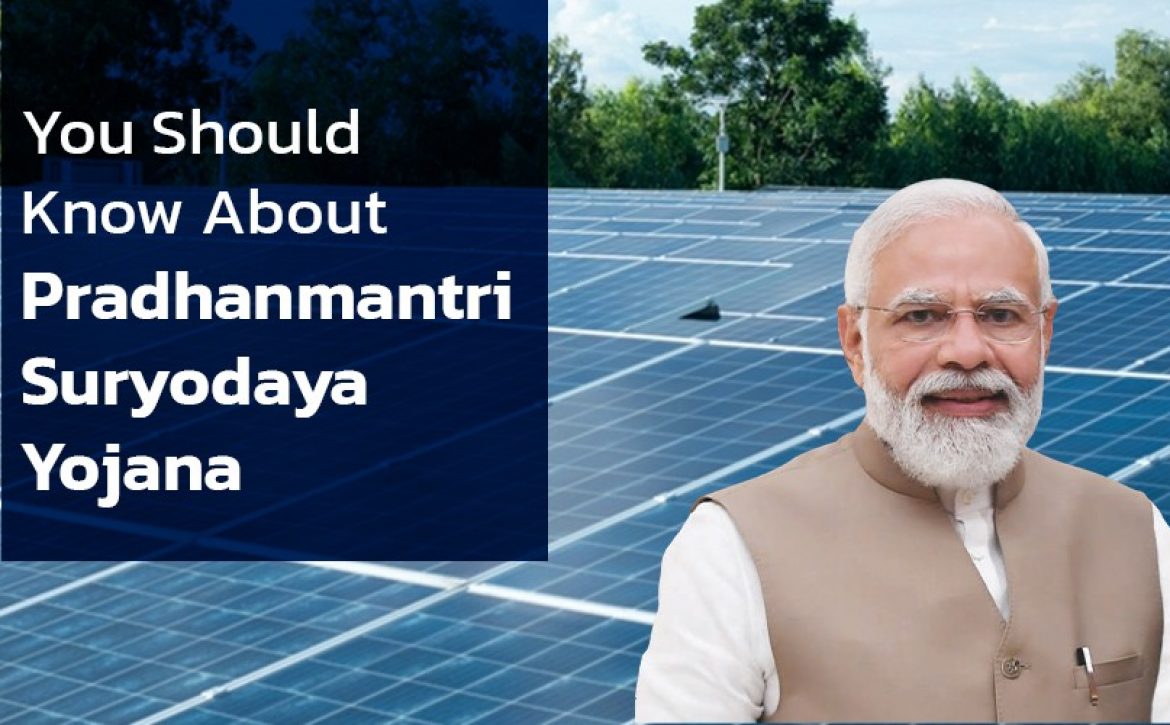
Here Is What You Should Know About Pradhan Mantri Suryodaya Yojana

India’s Prime Minister Narendra Modi announced the ‘Pradhan Mantri Suryodaya Yojana’ on 22nd January 2024, a government initiative aiming to provide rooftop solar power systems to one crore households in India.

Expressing the idea during the auspicious occasion of the consecration in Ayodhya, PM Narendra Modi emphasized the significance of solar energy and said, “All the devotees of the world always get energy from the light of Suryavanshi Lord Shri Ram. Today, on the auspicious occasion of consecration in Ayodhya, my resolution further strengthened that the people of India should have their own solar rooftop system on the roofs of their houses. The first decision I have taken after returning from Ayodhya is that our government will launch “Pradhanmantri Suryodaya Yojana” with the target of installing rooftop solar on 1 crore houses. This will not only reduce the electricity bill of the poor and middle class but will also make India self-reliant in the energy sector,” said Prime Minister Narendra Modi on X.

This decision was revealed upon his return from Ayodhya, where he participated in the consecration ceremony of Lord Ram Lalla at the newly built Ram Janmabhoomi temple.

Save up to 80% on your Electricity Bills.

With Servotech’s Efficient Solar Solutions

Get Quote

What is Pradhan Mantri Suryodaya Yojana?

1) The initiative targets the installation of rooftop solar panels in one crore households from the poor to the middle class, aiming to provide electricity from solar energy.

 2) Emphasizing its broader impact, the prime minister highlighted that the scheme not only intends to reduce the electricity bills of the poor and middle class but would also make India self-reliant in the energy sector.

3) In a proactive move, PM Modi has called for a nationwide campaign to encourage widespread adoption of rooftop solar among residential segment consumers, as reported by Business Today.

4)  Rooftop solar panels are photovoltaic panels installed on the roof of a building that is connected to the main power supply unit. This setup reduces reliance on grid-connected electricity, resulting in cost savings for consumers.

5) Solar rooftop systems involve an initial capital investment and minimal maintenance costs, offering a cost-effective and sustainable energy solution.

As of December 2023, the Ministry of New and Renewable Energy reports a total solar power capacity of approximately 73.31 GW in India. Additionally, the rooftop solar installed capacity stands at around 11.08 GW. To support such initiatives, the government has already implemented the National Rooftop Scheme, providing financial assistance equivalent to 40% of the capital cost for solar rooftop projects.

Delhi Solar System

Pioneering Manufacturers Shaping India’s Green Energy Landscape 

Embarking on the ambitious mission to solarize one crore households marks a substantial leap forward, propelling the rooftop solar sector and solidifying India’s standing as a frontrunner in embracing sustainable energy practices globally. Beyond meeting immediate energy requirements, this groundbreaking initiative aligns with overarching environmental and economic objectives for the nation. The ripple effects of this initiative extend to various solar industry manufacturers and stakeholders, playing a pivotal role in the transformation of India into a more environmentally sustainable nation. Here, we highlight key players in the solar manufacturing sector who are making noteworthy contributions to harnessing solar energy and fostering India’s journey towards a greener future.

List of Top Solar Panel Manufacturers in India 

Here is the list of Top Solar Panel Manufacturers in India. From cutting-edge technology and innovation to a rich legacy and a commitment to green energy, these manufacturers showcase the diverse expertise required to drive India’s solar revolution. 

  1. Servotech Renewable Power System
  2. Tata Power Solar
  3. Adani Solar 
  4. Waree Solar 
  5. Gensol Engineering 
solar panel ads

Top Solar Batteries Manufacturers in India 

Here is the list of Top Solar Batteries Manufacturers in India. These companies stand out for their dedication to cutting-edge technology, a rich legacy in the industry, and an unwavering commitment to green energy initiatives. By leveraging innovative approaches, they play a pivotal role in driving India’s solar revolution forward.

  1. Servotech Renewable Power System 
  2. Luminous India
  3. Exide
  4. Okaya
  5. Microtek 

List of Top Solar Inverter Manufacturers in India 

Here is the list of Top Solar Inverter Manufacturers in India. With a focus on sustainability and advanced technology, these companies play a crucial role in shaping India’s position as a leader in the global transition toward cleaner and more environmentally friendly energy solutions.

  1. Servotech Renewable Power System
  2. Microtek 
  3. Luminous
  4. Su-Kam Power Systems 
  5. Livguard 

Conclusion 

In conclusion, the Pradhan Mantri Suryodaya Yojana, represents a monumental step towards transforming India into a solar-powered nation, emphasizing the significance of solar energy in fostering self-reliance and underscoring the government’s commitment to widespread adoption of rooftop solar among residential consumers. As India strides forward in solarizing households, major manufacturers of solar panels, solar batteries, and solar inverters play a crucial role. These companies, with their cutting-edge technology, rich legacy, and unwavering commitment to green energy, are pivotal in driving India’s solar revolution and contributing to the nation’s environmental sustainability and economic objectives. The collaborative efforts of the government and solar industry manufacturers are instrumental in shaping India’s leadership in the global transition towards cleaner and more sustainable energy solutions.

Become a Solar Dealer/Distributor

Start your own Solar Business

Contact us

    Connect Now!

    Our expert will contact you soon.

    About us
    Awards & FelicitationsOur CapabilitiesOur CompanyOur LeadershipOur ProjectsTestaments
    Follow us
    Products
    EV ChargerLEDsPower & Backup
    Subsidiary Company
    Servotech EV Infra Pvt. Ltd. Servotech Sports and Entertainment Pvt. Ltd. Rebreathe Medical Devices India Pvt. Ltd. Hertz & Pixelz Pvt. Ltd.
    Media
    BlogsEventsMedia CoveragesMedia KitPress Release
    Quick Links
    Store LocatorSolar CalculatorEV Charging AppVendor RegistrationSite Map
    Write to us
    Sales
    servotech@servotechindia.comexportsales@servotechindia.comchannelsales@servotechindia.com
    Public Relations
    pr@servotechindia.com
    Marketing
    marketing@servotechindia.com
    ebiz@servotechindia.com
    Careers
    hr@servotechindia.com
    Contact us

    For Sales Enquiry: 011 41183116

    For EV Chargers sales: 9717691800

    For Service: 011 41183119

    Email : customercare@servotechindia.com

    Corporate Office

    806, 8th Floor, Crown Heights, Hotel Crown Plaza, Sector 10, Rohini New Delhi 110085

    Registered & Kundli Plant Address

    KHATA NO. 1970, KHEWAT NO. 1672, KHASRA NO. 21/20/2/2, REVENUE ESTATE, KUNDLI, P.S.Rai, Sonipat, Sonipat 131029, Haryana, India

    Safiabad Address

    Killa No.14, 6/1/2(0-3), 6/2/3(5-13, Safiabad, Pana Paposhian, Tehsil, Rai, Sonipat, Haryana 131029

    Follow us

    Awards & FelicitationsOur CapabilitiesOur CompanyOur LeadershipOur ProjectsTestaments

    EV ChargerLEDsPower & BackupSolar Products

    Servotech EV Infra Pvt. Ltd. Servotech Sports and Entertainment Pvt. Ltd. Rebreathe Medical Devices India Pvt. Ltd. Hertz & Pixelz Pvt. Ltd.

    BlogsEventsMedia CoveragesMedia KitPress Release

    Store LocatorSolar CalculatorEV Charging AppVendor RegistrationSite Map

    Sales
    servotech@servotechindia.comexportsales@servotechindia.comchannelsales@servotechindia.com
    Public Relations
    pr@servotechindia.com
    Marketing
    marketing@servotechindia.com
    ebiz@servotechindia.com
    Careers
    hr@servotechindia.com

    For Sales Enquiry: 011 41183116

    For EV Chargers sales: 9717691800

    For Service: 011 41183119

    Email : customercare@servotechindia.com

    Corporate Office

    806, 8th Floor, Crown Heights, Hotel Crown Plaza, Sector 10, Rohini New Delhi 110085

    Registered & Kundli Plant Address

    KHATA NO. 1970, KHEWAT NO. 1672, KHASRA NO. 21/20/2/2, REVENUE ESTATE, KUNDLI, P.S.Rai, Sonipat, Sonipat 131029, Haryana, India

    Safiabad Address

    Killa No.14, 6/1/2(0-3), 6/2/3(5-13, Safiabad, Pana Paposhian, Tehsil, Rai, Sonipat, Haryana 131029

    Copyright 2026 © Servotech Renewable Power System Limited: Privacy Policy. Brand Guidelines. Our Capability. Legal Disclaimer. Terms of use

    Top