• About Us
    • Awards & Felicitations
    • Our Company
    • Our Leadership
    • Our Projects
    • Testaments
  • Products
    • EV Charger
      • Spark Series (AC Charger)
      • Squad Series (DC Charger)
    • Solar Products
      • Solar Inverter
      • ServPort
      • Solar Management Unit
      • Solar Batteries
      • Solar Lithium Battery
      • Solar Panels
    • Power & Backup
      • Battery
      • Servo Stabilizer
      • UPS
    • Electric 3W Solutions
      • Lithium Battery
      • Electric 3W Charger
    • LEDs
      • Domestic LED
      • Commercial LED
    • Others
      • Oxygen Concentrator
      • UVC
  • Solutions
    • Solar EPC
    • Solar Calculator
    • EV Calculator
  • Media
    • Blogs
    • Events
    • Media Coverages
    • Media Kit
    • Press Releases
  • Investors
  • Contact

Type To Search

  • About Us
    • Awards & Felicitations
    • Our Company
    • Our Leadership
    • Our Projects
    • Testaments
  • Products
    • EV Charger
      • Spark Series (AC Charger)
      • Squad Series (DC Charger)
    • Solar Products
      • Solar Inverter
      • ServPort
      • Solar Management Unit
      • Solar Batteries
      • Solar Lithium Battery
      • Solar Panels
    • Power & Backup
      • Battery
      • Servo Stabilizer
      • UPS
    • Electric 3W Solutions
      • Lithium Battery
      • Electric 3W Charger
    • LEDs
      • Domestic LED
      • Commercial LED
    • Others
      • Oxygen Concentrator
      • UVC
  • Solutions
    • Solar EPC
    • Solar Calculator
    • EV Calculator
  • Media
    • Blogs
    • Events
    • Media Coverages
    • Media Kit
    • Press Releases
  • Investors
  • Contact

Type To Search

  • About Us
    • Awards & Felicitations
    • Our Company
    • Our Leadership
    • Our Projects
    • Testaments
  • Products
    • EV Charger
      • Spark Series (AC Charger)
      • Squad Series (DC Charger)
    • Solar Products
      • Solar Inverter
      • ServPort
      • Solar Management Unit
      • Solar Batteries
      • Solar Lithium Battery
      • Solar Panels
    • Power & Backup
      • Battery
      • Servo Stabilizer
      • UPS
    • Electric 3W Solutions
      • Lithium Battery
      • Electric 3W Charger
    • LEDs
      • Domestic LED
      • Commercial LED
    • Others
      • Oxygen Concentrator
      • UVC
  • Solutions
    • Solar EPC
    • Solar Calculator
    • EV Calculator
  • Media
    • Blogs
    • Events
    • Media Coverages
    • Media Kit
    • Press Releases
  • Investors
  • Contact
  • About Us
    • Awards & Felicitations
    • Our Company
    • Our Leadership
    • Our Projects
    • Testaments
  • Products
    • EV Charger
      • Spark Series (AC Charger)
      • Squad Series (DC Charger)
    • Solar Products
      • Solar Inverter
      • ServPort
      • Solar Management Unit
      • Solar Batteries
      • Solar Lithium Battery
      • Solar Panels
    • Power & Backup
      • Battery
      • Servo Stabilizer
      • UPS
    • Electric 3W Solutions
      • Lithium Battery
      • Electric 3W Charger
    • LEDs
      • Domestic LED
      • Commercial LED
    • Others
      • Oxygen Concentrator
      • UVC
  • Solutions
    • Solar EPC
    • Solar Calculator
    • EV Calculator
  • Media
    • Blogs
    • Events
    • Media Coverages
    • Media Kit
    • Press Releases
  • Investors
  • Contact
Read More
EV Charger
January 4, 2024by Shivangi Chaudhary0 Comments
1K Likes

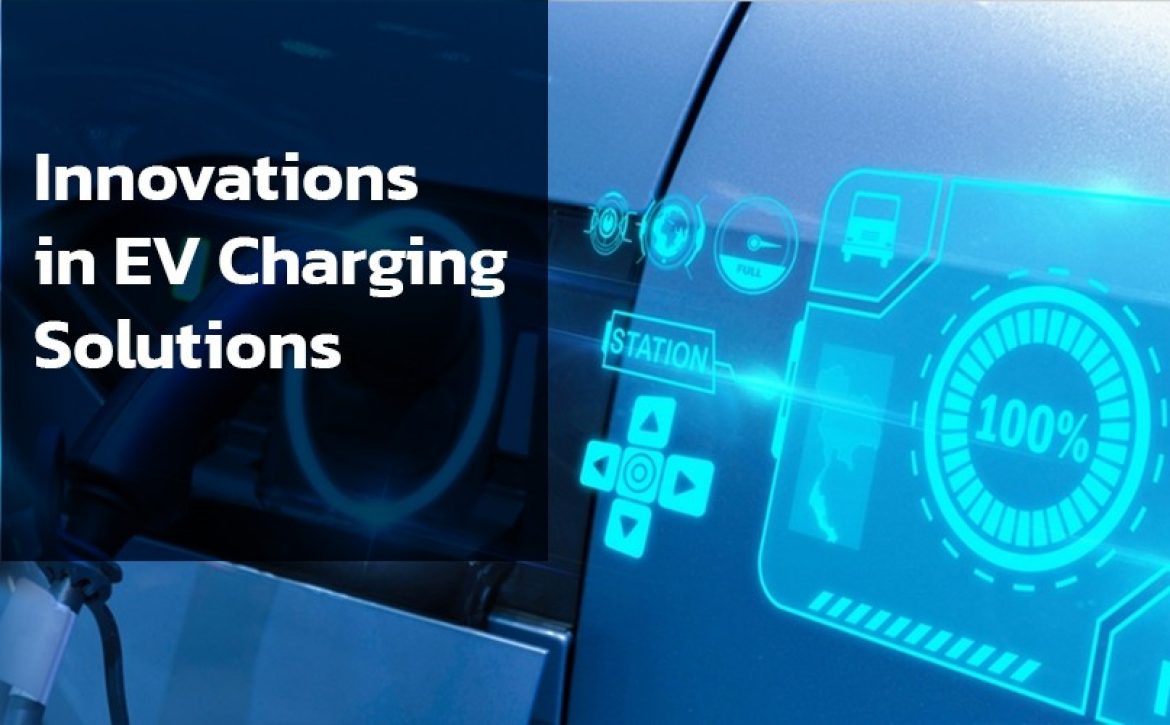
How Innovations in EV Charging Solutions are shaping the Future of the Electric Mobility Revolution

The EV industry has witnessed remarkable growth in recent years, reflecting a global shift towards sustainable and environmentally conscious transportation. With this surge in EV adoption, the development of efficient and user-friendly EV charging solutions has become paramount. EV chargers, ranging from standard home chargers to cutting-edge ultrafast DC chargers and multiport charging stations, play a pivotal role in shaping the future of mobility. In this era of rapid transformation, it is essential to explore the various facets of EVs, their charging infrastructure, and the evolution of EV charger technology.

The Role of PLC Modules, Power Modules, and Rectifier Units

EV chargers are intricate systems comprising essential components that ensure efficient and secure EV charging. Three crucial components include PLC (Programmable Logic Controller) modules, power modules, and rectifier units. PLC modules serve as the chargers’ control center, executing commands, and managing the charging process. Power modules convert grid AC power into the appropriate DC form for EV batteries. Rectifier units, a specific type of power module, maintain stable and controlled DC voltage and current for the vehicle. These components work together, providing secure, efficient, and rapid charging, emphasizing user safety and grid stability. As EV technology progresses, these components will play a pivotal role in shaping the future of EV charging infrastructure.

Interoperability and the Importance of Standardization in Electric 2-Wheelers

Interoperability and standardization are crucial for electric 2-wheelers to reach their full potential as a widespread mode of transportation. Interoperability ensures that these vehicles can seamlessly connect with diverse charging infrastructure, regardless of the brand, relying on standardization as its backbone. Standardizing charging connectors such as CCS2 will simplify the search for compatible charging stations. Standardized communication protocols will facilitate smooth connections, governing data exchange and payment process.  Implementing government policies that will mandate specific standards in manufacturing and infrastructure installation will further propel the electric 2-wheeler revolution. All of this will eventually lead to market growth, enhanced energy efficiency, and consumer convenience along with the promotion of sustainability, creating a cleaner and brighter future of urban mobility.

The Synergy of IoT, OCPI, and Smart Charging Technology

The seamless integration of IoT, OCPI, and Smart Charging Technology is reshaping the electric mobility landscape, offering a comprehensive solution that embodies convenience, efficiency, and sustainability in EV charging. IoT links electric mobility stakeholders through sensors and IoT sensors supply real-time data. OCPI enables seamless communication between charging networks ensuring interoperability and smart charging technology optimizes the charging process, culminating in a seamless and convenient experience for EV users. Making EV charging efficient and eco-friendly will result in a holistic e-mobility ecosystem.

Bidirectional EV Chargers

In recent times, bidirectional EV chargers have emerged as a pioneering technology with the ability to revolutionize the electric mobility and energy sectors. These chargers are designed to draw electricity from solar panels, effectively harnessing the power of the sun to charge electric vehicles. Beyond EV charging, bidirectional chargers can further optimize energy usage by diverting surplus electricity to charge the associated batteries, ensuring efficient energy storage. Subsequently, any surplus electricity when the batteries are fully charged and the EV is not connected is directed back to the grid, contributing to the overall energy supply. Moreover, during nights, the fully charged batteries serve as a reliable backup, providing electricity to the charger for hassle-free EV recharging. This innovative technology not only enhances energy sustainability but also promotes grid stability and overall energy efficiency.

Portable EV Chargers

Portable EV chargers are compact and lightweight chargers that have managed to revolutionize the world of electric mobility by giving EV owners the ability to recharge their vehicles using standard electrical outlets, eliminating the need for complex charging infrastructure. This feature helps a lot in areas with limited charging infrastructure. They are universally compatible which allows EV owners to charge their vehicles effortlessly. These chargers act as an essential backup charging solution, ensuring that EVs can be recharged even in unexpected emergencies, adding an extra layer of security for EV owners. As the electric vehicle industry continues to grow, these devices are set to become instrumental in promoting large-scale EV adoption.

The Significance of Multiport EV Charging

Multiport charging stations are another remarkable innovation in the world of EV charging. By accommodating multiple vehicles simultaneously, they significantly reduce charging congestion at public locations, ensuring that more EV owners can access charging stations without long wait times. They optimize space utilization and their scalability allows for easy expansion to meet the growing demand for EV charging. Multiport charging stations offer cost-effective solutions, benefiting both EV charging solutions providers and EV owners alike. Overall, multiport charging stations are a significant advancement in making EVs more accessible, efficient, and sustainable.

Path Ahead

The incoming of new technology in the arena of EV charging is pivotal in driving and promoting widespread EV adoption. These technologies are breaking down the barriers that hinder mass EV adoption and are enhancing convenience, accessibility, and sustainability, making electric mobility more appealing and feasible to a broader audience. In a way, these developments are paving the way for a cleaner, brighter, and greener future of transportation and with each step forward in charging technology, the path to EV adoption seems to become smoother and more promising.

Read More
Solar
December 26, 2023by Prabhutva Tiwari0 Comments
740 Likes

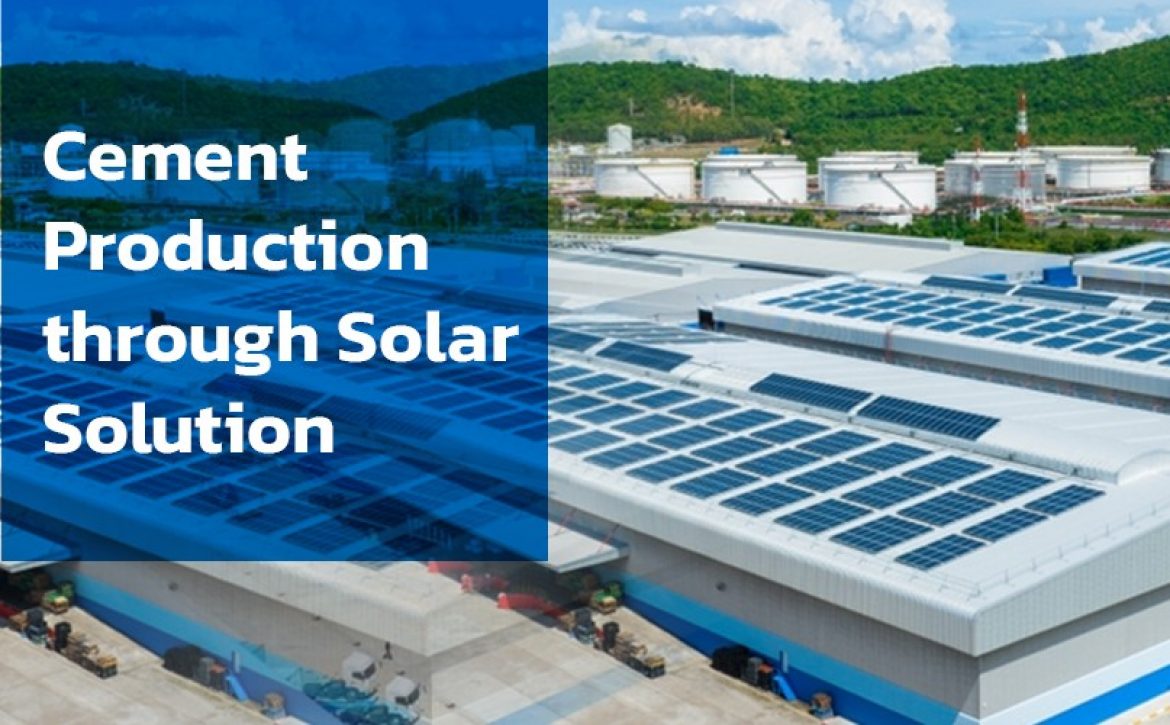
Cement Production through Sustainable Solar Solution

In recent times, Solar Energy has undoubtedly emerged as a powerful and eco-friendly source of electricity making it suitable for various industrial applications. The cement production sector, known for its high energy demands from carbon-emitting sources, stands as an ideal sector for groundbreaking solar solutions to create a significant transformative impact. One such groundbreaking solar solution, the On-Grid Solar System emerges as a sustainable and adaptable solution that is propelling the cement production energy towards a more sustainable future. It can meet the power demands of the cement manufacturing plant by tapping into the abundant and clean resource of solar energy, ultimately leading to reduced energy costs. This not only promotes sustainable manufacturing practices but also enhances cost-effectiveness. 

On-Grid Solar System and the Cement Manufacturing Industry 

Cement manufacturing indeed requires a significant amount of energy, which comes from carbon-emitting sources. However, by integrating on-grid solar system, the cement manufacturing process can be supported with clean and renewable energy. The on-grid solar system is designed to provide solar energy to cement manufacturing plants seamlessly. The process begins with the installation of solar panels, which capture sunlight and convert it into electricity. The energy generated is then fed into the plant’s electrical grid. This solar-generated electricity effectively powers various operations within the cement manufacturing process, reducing the plant’s reliance on conventional energy sources and lowering its electricity costs. This transition to solar energy not only makes cement production more sustainable but also contributes to reduced operational expenses, ultimately benefitting the environment and making the entire process cost-efficient. The environmental benefits of solar power are profound. Unlike conventional energy sources that rely on fossil fuels, solar energy is clean, renewable, and emission-free. When integrated into the energy supply for cement plants, solar power significantly minimizes the use of fossil fuels, which are finite resources and major contributors to greenhouse gas emissions and by reducing reliance on carbon-emitting energy sources, solar power contributes to a cleaner and healthier environment. This transition to cleaner energy not only mitigates climate change but also enhances air quality, thereby creating a more sustainable and environmentally conscious future.

Essential Standards and Compliances 

Servotech places paramount importance on adhering to industry standards and regulatory compliance throughout the manufacturing and installation of our solar systems. During the manufacturing process, rigorous quality checks are conducted to ensure the efficiency, durability, and optimal functioning of our products. When it comes to the installation of solar systems, we take meticulous care to ensure proper mounting and positioning, maximizing their exposure to sunlight. Our manufacturing and installation procedures strictly adhere to the standards established by reputable organizations, including the National Electric Code, IEEE, BIS, ISO, and IEC. Furthermore, our solar products are MNRE-approved. By complying with these standards, we ensure robust, sustainable, and safe solar power installations.

Major challenges faced in the supply of renewable energy

The supply of renewable energy faces several significant challenges. Finding a suitable location to facilitate installation is one of the major problems. Every area be it urban or rural comes with its own set of challenges, in this case, finding a location that supports smooth installation can get a little tricky. Intermittency is a primary concern, as sources like wind and solar are weather-dependent, requiring energy storage solutions to ensure consistent availability. Infrastructural limitations of the grid hinder the efficient distribution of renewable energy from remote locations to urban areas. Additionally, the high upfront costs of renewable technologies can deter investment. Regulatory and policy uncertainties also impact growth. Finally, environmental concerns, such as land use and wildlife disruption, need careful consideration. Addressing these challenges requires advancements in energy storage, grid modernization, supportive policies, and innovative solutions to ensure a reliable and sustainable renewable energy supply and Servotech is actively working towards surmounting these barriers, paving the way for a sustainable future powered by solar energy.

Conclusion 

The integration of solar energy into cement production marks a pivotal step toward sustainability in a conventionally energy-intensive industry and the journey towards a greener, more sustainable future through solar innovation promises a cleaner and healthier environment for generations to come.

Read More
Solar
November 23, 2023by servotech team7 Comments
774 Likes

A Comprehensive Guide to Solar Panel Price in India

The Solar Energy Industry has gained remarkable momentum in India as the nation strives to transition towards cleaner and more sustainable sources of power. This transition reflects the nation’s combined efforts to embrace eco-friendly and sustainable power alternatives. The increasing momentum within this industry heralds a promising future, steering the nation towards a more sustainable and greener energy landscape. As solar technology continues to become more accessible, it is important to understand the pricing system of different types of solar panels. Explore this blog to understand solar panel price, including details about the leading solar panel manufacturers in India. This blog will tell you all that you need to know about the pricing so that you can make an informed decision for your sustainable energy choices. Let’s get started.

Average Cost of Solar Panel Installation for Home

Usually, a solar system is installed in a home and it includes a PV Module, Mounting Structure, Solar Inverter, Solar Battery, Battery Rack, ACDB, and DCDB Wiring. Here is a list of prices for different solar systems to assist you in selecting the most suitable option based on your solar power needs.

Solar System SizeEstimated Price Range
1 kW Solar System₹65,000- ₹75,000
2 kW Solar System₹1,40,000- ₹1,50,000
3 kW Solar System ₹1,80,000- ₹1,90,000
5 kW Solar System₹2,50,000-₹2,70,000
7.5 kW Solar System ₹3,70,000-₹3,90,000
10 kW Solar System₹4,90,000-₹5,10,000
15 kW Solar System₹7,00,000-₹7,50,000
20 kW Solar System₹9,00,000-₹10,00,000

Read also: Can Your House Run on a 5kW Solar System?

Key Factors that Influence Solar Panel Prices in India

Here are some key factors that influence solar panel prices in India:

i) Capacity and Size

The size and capacity of your solar system play an important role in determining its price. Larger solar systems with higher power output are usually more expensive. When deciding on the size of your solar installation, consider your energy consumption and the available space for the panels.

ii) Government  Incentives and  Subsidies

The incentives and subsidies provided by the Indian Government can significantly reduce the cost of purchasing and installing solar panels cause they are provided to promote solar energy. Therefore, it is essential to take advantage of these schemes to make solar power more affordable. 

iii) Location

The geographical location of your installation can influence the price of solar panels. Solar Irradiation, which measures the amount of sunlight received, varies across India.  Areas that receive more sunlight are more beneficial for solar power generation, potentially reducing the number of panels and consequently, the cost. 

iv) Additional Equipment and Components

Solar Panel Systems require additional components such as inverters, batteries, and mounting structures. These additional elements can add to the overall cost. 

v) Brand

The brand type can also affect the price. If you purchase a solar panel from a reputed brand, the solar system will likely be more expensive than others. 

vi) Tax Incentives

Taxes can be charged for installation in specific areas. This can increase the price of solar panels in India.  

vii) Cost of License

Different regions have different regulations for installing solar panels. While one area might require an average price for solar panel installation, the other might ask for more. Market Value – If there is a demand for a specific model in the market, the price of solar panels in India for that model might surge.

The Expected Average Price of Monocrystalline, Polycrystalline and Bifacial Solar Panel (per watt)

Servotech provides polycrystalline, monocrystalline, and bifacial solar panels in different power capacities. Here is a list of the average expected price per watt for the polycrystalline, monocrystalline, and bifacial solar panels available- 

The Expected Average price of Polycrystalline Solar Panels (per watt)

  • 50 Watt – ₹32
  • 100 Watt – ₹31
  • 150 Watt – ₹30
  • 200 Watt – ₹29
  • 250 Watt – ₹28
  • 315 Watt – ₹26

The Expected Average Price of Monocrystalline Solar Panels (per watt)

  • 415 Watt – ₹25
  • 545 Watt – ₹24
  • 595 Watt – ₹24

The Expected Average  Price of Bi-facial Solar Panels (per watt)

  • 545 watt – ₹25
  • 595 watt – ₹25

Conclusion

In the ever-evolving landscape of solar energy in India, understanding the dynamics of solar panel pricing is crucial for making informed decisions. The prices of Solar panels are never the same. They keep changing. Hence, the prices of solar systems keep changing too. Always confirm the pricing with your EPC solar installation company.

Read also: Best Solar EPC Companies in India 2023

Read More
Solar
November 10, 2023by servotech team0 Comments
755 Likes

Ultimate Solar Panel Maintenance and Cleaning Tips

Regular maintenance of solar panels is essential to ensure their efficiency and longevity. Dust, dirt, and debris can accumulate on the panel’s surface, reducing its ability to absorb sunlight. Periodic cleaning and maintenance help maximize energy production, ensuring that solar panels continue to be a reliable and sustainable source of clean energy. In this blog, we will tell you some solar panel maintenance tips and tricks that will help you maintain your solar panels effectively ensuring that they continue to serve as a steadfast and sustainable energy solution. Let’s get started, shall we?

Solar Panel Maintenance Tips

Given below are a few solar panel maintenance tips that will help you preserve your solar panel’s efficiency and maximize its performance and longevity.

1) Structure Inspection

Ensure the mounting structure and wiring remain secure to avoid any issues, enabling the system’s stability. 

2) Panel Inspection

Examine the panels for any cracks or damage as this can impact their efficiency and performance. 

3) Avoid Shade

Keep the solar panel exposed to direct sunlight as it won’t function optimally in the shade. 

4) Routine Examination of the Components

Inspect all components regularly to ensure smooth operation and longevity of the system. 

Read also: Best Solar EPC Companies in India 2023

Solar Panel Cleaning Tips

Follow these solar panel cleaning tips and enjoy optimal solar panel performance 

1) Use Mild Cleaning Solution

In most cases, using just water and a soft cloth or sponge will be enough to clean your solar panels. However, if you encounter stubborn dirt or grime, you can create a mild cleaning solution. Mix a small amount of dish soap with water to create a mild soapy solution. Avoid using strong cleaners, which can harm the panel’s surface and reduce efficiency.

2) Rinse Thoroughly

After cleaning, rinse the panels with clean water to remove any soap residue. Make sure there is no moisture left on the panels, as it can lead to mineral buildup.

3) Form a Regular Cleaning Schedule

Having a cleaning schedule is important to ensure the maintenance of solar panels. Your cleaning schedule may vary depending on your location and environmental factors. In low dust or low pollution areas, cleaning every few months may be sufficient. However, in high dust or high pollution areas, frequent cleaning may be necessary. 

4) Make Use of Professional Cleaning Services

Professional Solar Panel cleaning services are also available for people who are uncomfortable with cleaning the panels themselves or have their panels installed in challenging locations. These services are extremely reliable and possess the necessary equipment and experience to clean your panels safely and effectively.

Best Safety Precautions should be Taken while Cleaning The Solar Panel

Here are a few precautions that you can take to ensure no damage to your panel and maintain its efficiency.

1) Safety First: Before you begin cleaning your solar panels, prioritize safety. Ensure you have a stable platform or ladder to access the panels safely. If you have rooftop solar panels, take extra precautions to prevent accidents. Wear appropriate safety gear, including gloves and safety glasses, to protect yourself during the cleaning process.

2) Choose the Right Time: It’s best to clean your solar panels early in the morning or late in the afternoon when the panels have cooled down. Cleaning hot panels can cause water to evaporate quickly, leaving streaks or residue behind.

3)Use Soft Materials: Avoid harsh materials like scrub brushes or harsh chemicals that can scratch the glass surface of the panels. Instead, opt for soft materials as cleaning tools. A soft brush or a squeegee with a sponge or soft cloth is ideal for removing dirt and grime without damaging the panels.

4)Monitor Performance: Keep track of your solar system’s performance to detect any significant drops in energy production. Sudden decreases may indicate a need for cleaning or maintenance.

Conclusion

Proper maintenance and regular cleaning of solar panels are essential for maintaining their efficiency and longevity. These devices play a vital role in converting sunlight into clean energy for both residential and commercial use. Accumulated dust, dirt, and debris can diminish their capacity to capture sunlight, leading to reduced energy production. By following the recommended maintenance practices and cleaning tips, you can ensure that your solar panels continue to provide a reliable and sustainable source of clean energy. These steps are crucial for optimizing the performance of your solar investment and supporting a cleaner, more sustainable energy landscape.

Read also: Can Your House Run on a 5kW Solar System?

  • 1
  • 2

    Connect Now!

    Our expert will contact you soon.

    About us
    Awards & FelicitationsOur CapabilitiesOur CompanyOur LeadershipOur ProjectsTestaments
    Follow us
    Products
    EV ChargerLEDsPower & Backup
    Subsidiary Company
    Servotech EV Infra Pvt. Ltd. Servotech Sports and Entertainment Pvt. Ltd. Rebreathe Medical Devices India Pvt. Ltd. Hertz & Pixelz Pvt. Ltd.
    Media
    BlogsEventsMedia CoveragesMedia KitPress Release
    Quick Links
    Store LocatorSolar CalculatorEV Charging AppVendor RegistrationSite Map
    Write to us
    Sales
    servotech@servotechindia.comexportsales@servotechindia.comchannelsales@servotechindia.com
    Public Relations
    pr@servotechindia.com
    Marketing
    marketing@servotechindia.com
    ebiz@servotechindia.com
    Careers
    hr@servotechindia.com
    Contact us

    For Sales Enquiry: 011 41183116

    For EV Chargers sales: 9717691800

    For Service: 011 41183119

    Email : customercare@servotechindia.com

    Corporate Office

    806, 8th Floor, Crown Heights, Hotel Crown Plaza, Sector 10, Rohini New Delhi 110085

    Registered & Kundli Plant Address

    KHATA NO. 1970, KHEWAT NO. 1672, KHASRA NO. 21/20/2/2, REVENUE ESTATE, KUNDLI, P.S.Rai, Sonipat, Sonipat 131029, Haryana, India

    Safiabad Address

    Killa No.14, 6/1/2(0-3), 6/2/3(5-13, Safiabad, Pana Paposhian, Tehsil, Rai, Sonipat, Haryana 131029

    Follow us

    Awards & FelicitationsOur CapabilitiesOur CompanyOur LeadershipOur ProjectsTestaments

    EV ChargerLEDsPower & BackupSolar Products

    Servotech EV Infra Pvt. Ltd. Servotech Sports and Entertainment Pvt. Ltd. Rebreathe Medical Devices India Pvt. Ltd. Hertz & Pixelz Pvt. Ltd.

    BlogsEventsMedia CoveragesMedia KitPress Release

    Store LocatorSolar CalculatorEV Charging AppVendor RegistrationSite Map

    Sales
    servotech@servotechindia.comexportsales@servotechindia.comchannelsales@servotechindia.com
    Public Relations
    pr@servotechindia.com
    Marketing
    marketing@servotechindia.com
    ebiz@servotechindia.com
    Careers
    hr@servotechindia.com

    For Sales Enquiry: 011 41183116

    For EV Chargers sales: 9717691800

    For Service: 011 41183119

    Email : customercare@servotechindia.com

    Corporate Office

    806, 8th Floor, Crown Heights, Hotel Crown Plaza, Sector 10, Rohini New Delhi 110085

    Registered & Kundli Plant Address

    KHATA NO. 1970, KHEWAT NO. 1672, KHASRA NO. 21/20/2/2, REVENUE ESTATE, KUNDLI, P.S.Rai, Sonipat, Sonipat 131029, Haryana, India

    Safiabad Address

    Killa No.14, 6/1/2(0-3), 6/2/3(5-13, Safiabad, Pana Paposhian, Tehsil, Rai, Sonipat, Haryana 131029

    Copyright 2026 © Servotech Renewable Power System Limited: Privacy Policy. Brand Guidelines. Our Capability. Legal Disclaimer. Terms of use

    Top