
Solar Subsidy in Haryana Explained: Eligibility, Benefits & How to Apply (2026 Guide)
Electricity consumption across Haryana has been climbing steadily, driven by growing use of air conditioners, water heaters, and home appliances, along with expanding residential and commercial development in cities like Gurugram, Faridabad, Panipat, and Karnal. As monthly power bills increase, more homeowners are looking for a sustainable way to cut costs without compromising on comfort.
One of the most practical answers to this problem is a rooftop solar system. To make solar adoption easier and more affordable, the central government runs the PM Surya Ghar Muft Bijli Yojana, and in Haryana this scheme is implemented through HAREDA (Haryana Renewable Energy Development Agency) in coordination with the state’s two power distribution companies.
If you’re a homeowner in Haryana planning to go solar, understanding the Solar Subsidy in Haryana can significantly bring down your upfront investment while shortening the time it takes to recover your costs.
This guide walks you through everything — eligibility, subsidy amount, the 5kW solar system price in Haryana with subsidy, the step-by-step application process, required documents, and answers to the questions homeowners ask most often.
Why Rooftop Solar is Gaining Momentum in Haryana
Haryana receives strong solar irradiance for most of the year, which makes rooftop solar a genuinely efficient investment rather than just an environmental gesture.
Several factors are pushing adoption higher across the state:
- Rising domestic electricity tariffs
- Frequent voltage fluctuations in semi-urban and rural feeders
- Central government financial assistance under PM Surya Ghar
- Net metering support from UHBVN and DHBVN
- Growing awareness of long-term savings
- Increasing real estate demand for solar-ready homes
Read also: 3kW Solar System in India: Price, Subsidy, Specifications & Buying Guide
What is the Solar Subsidy in Haryana?
The Solar Subsidy in Haryana refers to the financial assistance available to eligible residential consumers under the PM Surya Ghar Muft Bijli Yojana for installing a grid-connected rooftop solar system.
Rather than bearing the full installation cost, eligible homeowners receive a fixed government subsidy based on the capacity of the system installed, credited directly to their bank account after the installation is inspected and commissioned by the local DISCOM.
The subsidy exists to:
- Lower the entry barrier to residential solar
- Reduce household electricity expenses
- Support Haryana’s renewable energy targets
- Encourage decentralised power generation across the state
For many families, this subsidy is the deciding factor that makes rooftop solar financially viable sooner rather than later.
PM Surya Ghar Muft Bijli Yojana is India’s flagship residential rooftop solar scheme, targeting one crore households nationwide. In Haryana, HAREDA acts as the state nodal agency, working alongside UHBVN and DHBVN to process applications, coordinate inspections, and facilitate net metering.
Key objectives of the scheme in Haryana include:
- Making rooftop solar affordable for middle-income households
- Reducing dependence on conventional grid electricity
- Supporting the state’s clean energy transition
- Helping consumers lower their monthly electricity bills over the long term
Homeowners should always verify the latest subsidy structure and any additional state-level assistance directly on hareda.gov.in, since scheme details and slab amounts are periodically revised.
Who is Eligible for Solar Subsidy in Haryana?
Not every rooftop installation automatically qualifies for the subsidy. To claim benefits under the PM Surya Ghar Muft Bijli Yojana Subsidy in Haryana, applicants generally need to meet the following conditions:
1. Residential Ownership
The applicant should own the residential property where the system is being installed. Joint ownership is typically accepted.
2. Valid Domestic Electricity Connection
You need an active residential connection from either UHBVN or DHBVN, depending on which part of Haryana you live in. Commercial or agricultural tariff connections do not qualify under the residential subsidy.
3. Adequate, Shadow-Free Rooftop Space
The roof should have enough unshaded area to accommodate the panels and receive consistent sunlight through the day.
4. Sanctioned Load Within Limits
The connection’s sanctioned load generally needs to fall within the scheme’s prescribed limit for residential rooftop systems.
5. Installation Through an Empanelled Vendor
The system must be installed using ALMM-listed (Approved List of Models and Manufacturers) equipment through a vendor registered on the national PM Surya Ghar portal.
6. Net Metering Compliance
The installed system needs to be grid-connected and eligible for net metering through your DISCOM.
Read also: Solar Subsidy in Uttar Pradesh 2026 Explained
How Much Solar Subsidy Can You Get in Haryana?
Under the central PM Surya Ghar Muft Bijli Yojana, the subsidy is structured based on system capacity:
- 1kW system: Subsidy of approximately ₹30,000
- 2kW system: Subsidy of approximately ₹60,000
- 3kW and above: Subsidy capped at approximately ₹78,000
This subsidy amount applies uniformly under the central scheme, and Haryana has, at various points, also offered additional state-level assistance for specific consumer categories such as economically weaker sections. Since state-level top-ups are revised periodically, it’s worth checking hareda.gov.in for the current status before finalising your installer contract.
The subsidy is disbursed via Direct Benefit Transfer (DBT) straight into the applicant’s bank account, typically within 30 to 45 days of successful commissioning and net meter installation.
5kW Solar System Price in Haryana with Subsidy
One of the most searched questions among Haryana homeowners is:
“What is the 5kW solar system price in Haryana with subsidy?”
Since the central subsidy is capped at 3kW capacity (approximately ₹78,000), a 5kW system receives the same maximum subsidy amount, with the remaining 2kW of capacity priced at the standard market rate.
The final project cost for a 5kW system depends on several variables:
- Solar panel technology (Mono PERC, Bifacial, etc.)
- Inverter type and brand
- Mounting structure and roof type
- Wiring, cabling, and balance-of-system components
- Installation complexity and site conditions
- Net metering charges levied by the DISCOM
- Brand warranty and after-sales service coverage
A 5kW system is typically well-suited for larger homes with higher electricity consumption — think multiple ACs, a water heater, and several major appliances running through the day.
Tip: Before committing to a system size, use Servotech’s Solar Calculator to estimate the ideal capacity based on your actual electricity consumption, so you don’t end up over- or under-sizing your investment.
Read also: How Much Solar Capacity Do You Need Based on Your Electricity Bill?
Benefits of Rooftop Solar Subsidy in Haryana
Even without the subsidy, rooftop solar makes financial sense over the long run. With government assistance, the case becomes considerably stronger.
1. Lower Upfront Investment
The subsidy directly reduces the amount you need to pay out of pocket, easing the initial financial burden.
2. Faster Payback Period
With a lower net cost, most Haryana households can recover their investment meaningfully faster than an unsubsidised system.
3. Reduced Monthly Electricity Bills
A correctly sized system can offset a large share of daily household consumption, cutting your DISCOM bill significantly.
4. Protection Against Tariff Hikes
Once installed, your solar system insulates a portion of your electricity needs from future tariff increases.
5. Higher Property Value
Solar-equipped homes are increasingly attractive to buyers who want lower running costs and a smaller carbon footprint.
6. Long Operational Life
Quality solar panels typically perform reliably for 25 years or more, delivering savings well beyond the payback period.
Both DISCOMs process PM Surya Ghar applications and net metering requests through the national portal, but local turnaround times can vary slightly depending on inspection backlogs in your circle.
How to Apply for Solar Subsidy in Haryana?
Applying for the Solar Subsidy in Haryana has become considerably more streamlined with the national PM Surya Ghar portal. Here’s the step-by-step process.
Step 1: Assess Your Energy Requirement
Review your last few electricity bills to understand your average monthly consumption, connected load, and available rooftop space.
Tip: Use Servotech’s Solar Calculator to get a quick capacity estimate before applying.
Step 2: Register on the PM Surya Ghar Portal
Visit the official PM Surya Ghar Muft Bijli Yojana portal and register using your mobile number, electricity consumer number, state, and DISCOM (UHBVN or DHBVN).
Step 3: Submit Your Application
Provide your consumer details, rooftop information, and the proposed system capacity you wish to install.
Step 4: Get Technical Feasibility Approval
Your DISCOM reviews the application and grants technical approval before installation can begin.
Step 5: Install the Rooftop Solar System
Once approved, an empanelled installer carries out the site survey, system design, panel and inverter installation, wiring, and safety testing.
Step 6: Net Meter Installation and Inspection
After installation, the DISCOM inspects the system and facilitates net meter installation, enabling you to export surplus solar power to the grid.
Step 7: Subsidy Disbursement
Once commissioning is confirmed on the national portal, the subsidy amount is credited to your registered bank account via DBT, generally within 30 to 45 days.
Documents Required for Solar System Subsidy in Haryana
Keep the following ready before you begin your application:
- Aadhaar Card
- PAN Card (if applicable)
- Residential address proof
- Recent electricity bill
- Passport-size photograph
- Rooftop ownership proof
- Bank account details (for DBT)
- Installation and commissioning documents (provided by your installer)
Document requirements can be updated periodically, so it’s a good idea to confirm the current checklist on the official portal before applying.
Understanding Net Metering in Haryana
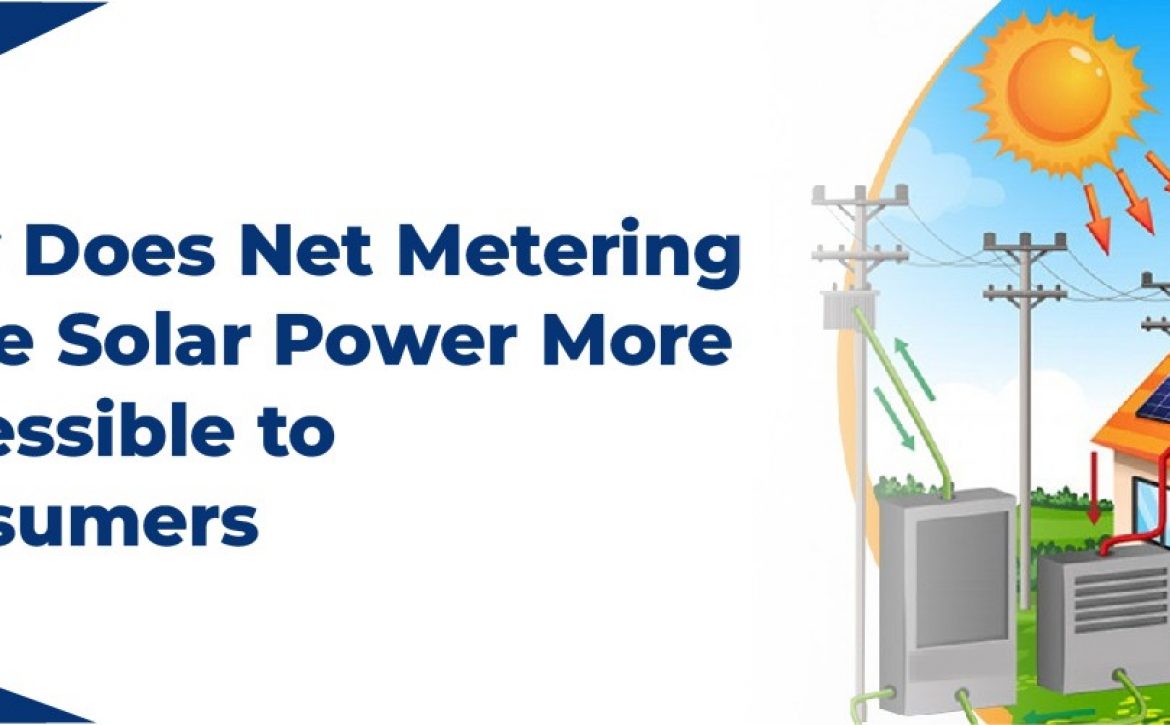
Net metering is what allows a rooftop solar system to actually pay for itself efficiently. It lets you export any surplus electricity your system generates during the day back to the grid, earning credits against the power you draw from the grid at night or on cloudy days.
Why Net Metering Matters
- Maximises the value of every unit your system produces
- Reduces your net monthly electricity bill
- Improves overall return on investment
- Cuts down dependence on grid power during peak hours
Read also: How Does Net Metering Make Solar Power More Accessible to Consumers
Common Mistakes to Avoid While Applying
Many Haryana homeowners lose time — or subsidy eligibility — over avoidable errors.
1) Undersizing or Oversizing the System
Choosing a capacity that doesn’t match your actual consumption pattern reduces both savings and efficiency.
2) Prioritising Price Over Component Quality
Cheaper panels and inverters can compromise long-term output and reliability.
3) Skipping a Proper Roof Assessment
Shadow analysis and structural evaluation are essential before finalising system design.
4) Delaying the Net Metering Process
Postponing net meter installation delays your ability to start saving — and in some cases, delays subsidy disbursement.
5) Choosing an Unverified Installer
Always confirm that your vendor is empanelled on the national PM Surya Ghar portal to avoid application rejection.
Why Choose Servotech for Rooftop Solar in Haryana?
Selecting the right installation partner is just as important as claiming the subsidy itself.
Servotech Renewable Power System Ltd. offers complete rooftop solar solutions for residential consumers in Haryana, including:
- Site assessment and shadow analysis
- Custom system design based on your consumption
- High-efficiency solar panels and advanced solar inverters
- Professional, ALMM-compliant installation
- Assistance with subsidy documentation
- Net metering coordination with UHBVN/DHBVN
- End-to-end project support and after-sales service
With a strong presence across North India, Servotech helps Haryana homeowners navigate the subsidy process while ensuring a system that’s built to perform reliably for decades.
Frequently Asked Questions (FAQs)
It’s the financial assistance available to eligible residential consumers under the PM Surya Ghar Muft Bijli Yojana for installing a rooftop solar system, disbursed as a direct bank transfer after commissioning.
Residential homeowners with an active domestic connection from UHBVN or DHBVN, adequate rooftop space, and installation through an empanelled vendor are generally eligible.
A 3kW system is eligible for the maximum central subsidy of approximately ₹78,000 under the PM Surya Ghar scheme.
The final cost depends on equipment, brand, and installation complexity, with the government subsidy capped at the 3kW slab amount even for larger systems.
UHBVN covers northern and central Haryana; DHBVN covers southern Haryana, including Gurugram and Faridabad.
No, the residential subsidy under PM Surya Ghar is intended for domestic consumers. Commercial installations follow separate policies.
Aadhaar Card, electricity bill, address proof, bank account details, rooftop ownership proof, and passport-size photograph are typically required.
Yes, the installed system needs to be grid-connected and eligible for net metering to qualify for subsidy disbursement.
Yes, subject to rooftop availability and any applicable housing society or RWA approvals.
Typically 30 to 45 days after successful DISCOM inspection and commissioning on the national portal.
HAREDA is the state nodal agency coordinating rooftop solar promotion and subsidy-related processes in Haryana, alongside UHBVN and DHBVN.
Common reasons include non-ALMM-listed equipment, incorrect sanctioned load details, incomplete documentation, or use of an unregistered installer.
High-quality panels generally offer a functional lifespan of 25 years or more with minimal maintenance.
Yes. Haryana receives strong solar irradiance for most of the year, making rooftop solar highly effective for residential use.
You can use Servotech’s Solar Calculator to get a quick, consumption-based capacity estimate before applying.
Read also: Solar Subsidy in Rajasthan Explained: Eligibility, Benefits & How to Apply
Conclusion
The Solar Subsidy in Haryana has made rooftop solar a genuinely accessible option for residential consumers across the state. Through the PM Surya Ghar Muft Bijli Yojana, homeowners in cities like Gurugram, Faridabad, Panipat, and Karnal can significantly lower their upfront investment while building toward long-term electricity savings and greater energy independence.
That said, the real value of this subsidy depends on choosing the right system capacity, using quality components, and working with an experienced installation partner who can navigate the documentation and net metering process smoothly.
With Haryana’s strong solar potential and a well-established central subsidy framework, there has rarely been a better time for homeowners in the state to make the switch to rooftop solar.