• About Us
    • Awards & Felicitations
    • Our Company
    • Our Leadership
    • Our Projects
    • Testaments
  • Products
    • EV Charger
      • Spark Series (AC Charger)
      • Squad Series (DC Charger)
    • Solar Products
      • Solar Inverter
      • ServPort
      • Solar Management Unit
      • Solar Batteries
      • Solar Lithium Battery
      • Solar Panels
    • Power & Backup
      • Battery
      • Servo Stabilizer
      • UPS
    • Electric 3W Solutions
      • Lithium Battery
      • Electric 3W Charger
    • LEDs
      • Domestic LED
      • Commercial LED
    • Others
      • Oxygen Concentrator
      • UVC
  • Solutions
    • Solar EPC
    • Solar Calculator
    • EV Calculator
  • Media
    • Blogs
    • Events
    • Media Coverages
    • Media Kit
    • Press Releases
  • Investors
  • Contact

Type To Search

  • About Us
    • Awards & Felicitations
    • Our Company
    • Our Leadership
    • Our Projects
    • Testaments
  • Products
    • EV Charger
      • Spark Series (AC Charger)
      • Squad Series (DC Charger)
    • Solar Products
      • Solar Inverter
      • ServPort
      • Solar Management Unit
      • Solar Batteries
      • Solar Lithium Battery
      • Solar Panels
    • Power & Backup
      • Battery
      • Servo Stabilizer
      • UPS
    • Electric 3W Solutions
      • Lithium Battery
      • Electric 3W Charger
    • LEDs
      • Domestic LED
      • Commercial LED
    • Others
      • Oxygen Concentrator
      • UVC
  • Solutions
    • Solar EPC
    • Solar Calculator
    • EV Calculator
  • Media
    • Blogs
    • Events
    • Media Coverages
    • Media Kit
    • Press Releases
  • Investors
  • Contact

Type To Search

  • About Us
    • Awards & Felicitations
    • Our Company
    • Our Leadership
    • Our Projects
    • Testaments
  • Products
    • EV Charger
      • Spark Series (AC Charger)
      • Squad Series (DC Charger)
    • Solar Products
      • Solar Inverter
      • ServPort
      • Solar Management Unit
      • Solar Batteries
      • Solar Lithium Battery
      • Solar Panels
    • Power & Backup
      • Battery
      • Servo Stabilizer
      • UPS
    • Electric 3W Solutions
      • Lithium Battery
      • Electric 3W Charger
    • LEDs
      • Domestic LED
      • Commercial LED
    • Others
      • Oxygen Concentrator
      • UVC
  • Solutions
    • Solar EPC
    • Solar Calculator
    • EV Calculator
  • Media
    • Blogs
    • Events
    • Media Coverages
    • Media Kit
    • Press Releases
  • Investors
  • Contact
  • About Us
    • Awards & Felicitations
    • Our Company
    • Our Leadership
    • Our Projects
    • Testaments
  • Products
    • EV Charger
      • Spark Series (AC Charger)
      • Squad Series (DC Charger)
    • Solar Products
      • Solar Inverter
      • ServPort
      • Solar Management Unit
      • Solar Batteries
      • Solar Lithium Battery
      • Solar Panels
    • Power & Backup
      • Battery
      • Servo Stabilizer
      • UPS
    • Electric 3W Solutions
      • Lithium Battery
      • Electric 3W Charger
    • LEDs
      • Domestic LED
      • Commercial LED
    • Others
      • Oxygen Concentrator
      • UVC
  • Solutions
    • Solar EPC
    • Solar Calculator
    • EV Calculator
  • Media
    • Blogs
    • Events
    • Media Coverages
    • Media Kit
    • Press Releases
  • Investors
  • Contact

Category: EV Charger

Read More
EV Charger
December 20, 2023by Shivangi Chaudhary3 Comments
680 Likes

Top Electric Cars in India 2024

Nowadays environmental concerns have become big issues to discuss and the adoption of EVs is continuously creating new sales records worldwide including in India. In the year 2023, the Indian automotive market started moving towards cleaner and sustainable transportation options at an accelerated pace. With technological advancements and government incentives & policies, several EV makers have entered the Indian auto market offering a wide range of EVs. Next, we will discuss the prices, range, and battery capacity of top long-range electric cars in India for the year 2024. 

Top Electric Cars Available in India 2024

Here is the list of top electric cars available in India with their specifications, prices, battery packs, KM range, charging time, etc. Check out the best EV cars in India in 2024

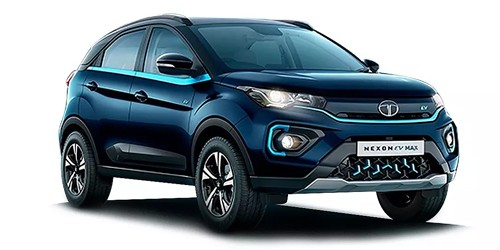
Tata Nexon EV

Tata Nexon

Tata Nexon EV leads in the category of top-selling electric cars in India. It has earned accolades for its perfect blend of performance, efficiency, and affordability. This meticulously-designed EV comes with a spacious cabin and boot space of 350 liters. These features make it a good option for commuting and family trips. When considering EV charging, various companies offer charging solutions. For instance, with Servotech’s AC home charger, you can confidently charge your EV. Alternatively, if you prefer charging at a station, Servotech’s DC chargers are widespread, ensuring rapid charging. Known for their speed, Servotech DC chargers are installed at nearly every station. For efficient home charging, Servotech’s AC chargers stand out as the best choice.

PriceBattery PackRangeCharging Time
Rs. 15.90 Lakhs onwards
(Ex-showroom Price)
40.5 kWh453* km on full recharge0-80% in 56* mins. with DC Charger

Source: Tata Motors

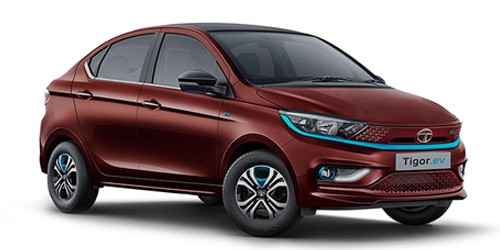
Tata Tigor EV

Tata Tigor EV

This 5-seater electric vehicle from Tata is another good option to own. It ideally meets all transportation needs of a family from commuting to shopping to long drives and more. Tata Tigor EV is equipped with all modish features to comfortably meet transportation needs in a sustainable way.   When considering EV charging, various companies offer charging solutions. For instance, with Servotech’s AC home charger, you can confidently charge your EV. Alternatively, if you prefer charging at a station, Servotech’s DC chargers are widespread, ensuring rapid charging. Known for their speed, Servotech DC chargers are installed at nearly every station. For efficient home charging, Servotech’s AC chargers stand out as the best choice.

PriceBattery PackRangeCharging Time
Rs. 12.50 Lakhs onwards26 kWh315* km on full recharge0-80% in 35* mins. with DC Charger

Source: Tata Motors

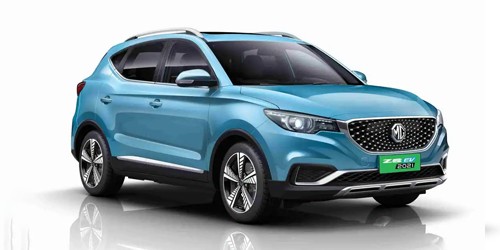
MG ZS EV

MG ZS EV

MG ZS EV is the perfect bundle of comfortable features & exciting driving experience that ideally delights owners with sustainable driving. This feature-loaded EV is high in performance and comfort. Therefore, customers have enjoyed comfortable driving for many years. Rear 60:40 split seats provide the added advantage of enlarged boot space. When considering EV charging, various companies offer charging solutions. For instance, with Servotech’s AC home charger, you can confidently charge your EV. Alternatively, if you prefer charging at a station, Servotech’s DC chargers are widespread, ensuring rapid charging. Known for their speed, Servotech DC chargers are installed at nearly every station. For efficient home charging, Servotech’s AC chargers stand out as the best choice.

PriceBattery PackRangeCharging Time
Rs. 23.4 Lakhs onwards50.3 kWh 461* km on a full charge0-80% under  60* mins. with DC Charger

Source: MG Motor

Read more: How Can You Charge Your Electric Car without Having an EV Charger At Home

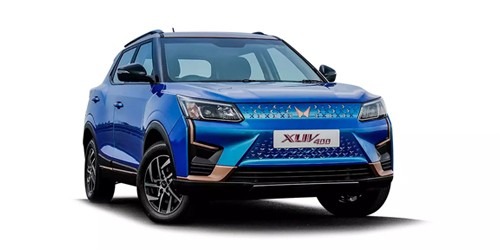
Mahindra XUV400 EV

Mahindra XUV400 EV

Mahindra XUV400 carries all the necessary ingredients to delight owners with an excellent driving experience and a number of useful features. Sporty design and comfortable interiors make this subcompact SUV one of the best options to drive. This electric vehicle is undoubtedly very promising and appropriately proves the best option for city drives as well as for long trips. When considering EV charging, various companies offer charging solutions. For instance, with Servotech’s AC home charger, you can confidently charge your EV. Alternatively, if you prefer charging at a station, Servotech’s DC chargers are widespread, ensuring rapid charging. Known for their speed, Servotech DC chargers are installed at nearly every station. For efficient home charging, Servotech’s AC chargers stand out as the best choice.

PriceBattery PackRangeCharging Time
Rs. 15.99 Lakhs onwards34.5 kWh375* km on full recharge0-80% in 50* mins. with DC Charger

Source: Mahindra & Mahindra

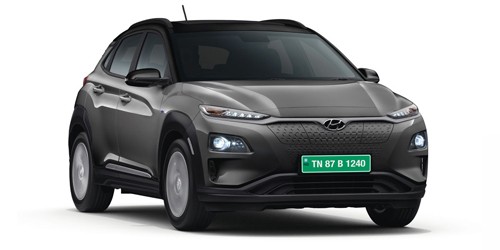
Hyundai Kona EV

Hyundai Kona

The Hyundai Kona EV is a very popular choice among enthusiastic car buyers. With a perfect assimilation of entirely new design, innovative concepts, and cutting-edge technologies, it delivers multiple advantages with low-cost travel and a comfortable driving experience. This EV is specially designed to experience easy drives on Indian roads and meet customers’ requirements. When considering EV charging, various companies offer charging solutions. For instance, with Servotech’s 11 kW AC home charger, you can confidently charge your EV. Alternatively, if you prefer charging at a station or are a charging station owner then Servotech’s 30 & 60kW DC chargers are the best option. They ensure fast charging and can be found at nearly every station.

PriceBattery PackRangeCharging Time
Start at Rs. 23.8 Lakhs onwards39.2 kWh 452* km on full recharge0-80% under  52* mins. with DC Charger

Source: Hyundai Motor India

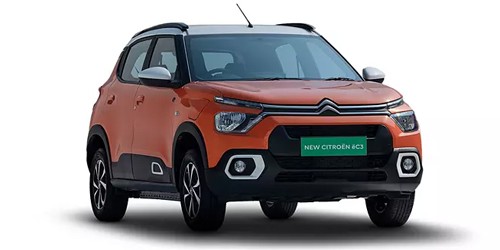
Citroen E-C3 EV

Citroen E-C3

Citroen E-C3 EV is next in the lineup to provide one more fantastic option to buyers. Due to the hard work of R&D teams and meticulous engineering, it successfully delivers a delightful driving experience during all types of climatic conditions. Its attractive design & low maintenance features make it a perfect family car with easy & comfortable drives on city roads. When considering EV charging, various companies offer charging solutions. For instance, with Servotech’s 3.3 kW AC home charger, you can confidently charge your EV. Alternatively, if you prefer charging at a station or are a charging station owner then Servotech’s 30 kW DC chargers are the best option. They ensure fast charging and can be found at nearly every station.

PriceBattery PackRangeCharging Time
Start at Rs. 11.50 Lakhs onwards29.2 kWh320* km on full recharge0-80% in 57* mins. with DC Charger

Source: Citroen Motors India

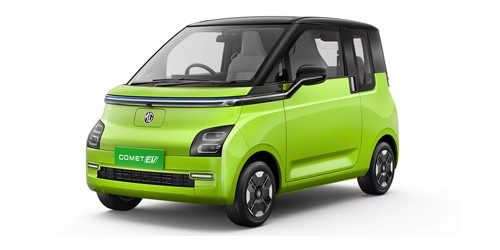
MG Comet EV

MG Comet EV

The performance and efficiency of MG Comet EV authenticates the legacy of MG Motors of serving customers with the finest family cars. Therefore, people can confidently consider it to quickly meet their needs for cost-effective & sustainable travel. Low maintenance is another laudable feature of this electric vehicle that helps owners to save big. When considering EV charging, various companies offer charging solutions. For instance, with Servotech’s 3.3 kW AC home charger, you can confidently charge your EV. For efficient home charging, Servotech’s AC chargers are the best chargers.

PriceBattery PackRangeCharging Time
Start at Rs. 7.98 Lakhs onwards17.3 kWh200* km on full recharge0-80% in 25* mins. with DC Charger

Source: MG Motor India

Read more: The Rise in Demand and Popularity of EV Cars in India

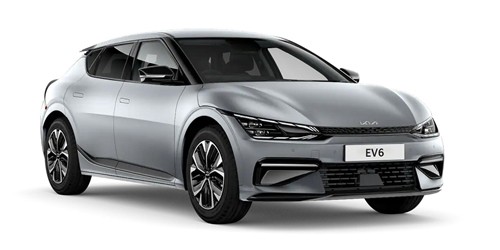
Kia EV6

Kia EV6

Kia EV takes the comfort of a delightful driving experience to a whole new level. Skilled and experienced automobile engineers have innovatively manufactured this electric car with systematic execution of advanced concepts & technologies. Comfortable seating, plush cabin, spacious boot space, and low maintenance make it the best in-category option. When considering EV charging, various companies offer charging solutions. For instance, with Servotech’s 11 kW AC home charger, you can confidently charge your EV. Alternatively, if you prefer charging at a station or are a charging station owner then Servotech’s 60 kW DC chargers are the best option. They ensure fast charging and can be found at nearly every station. You can also use Servotech’s 360 ultra-fast DC EV charger to charge your EV.

PriceBattery PackRangeCharging Time
Start at Rs. 61.00 Lakhs onwards77.4 kWh708* km on full recharge0-80% in 65* mins. with DC Charger

Source: Kia Corporation

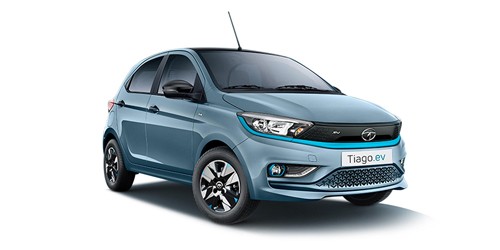
TATA Tiago EV

Tata Tiago

This EV comes from India’s most trusted automotive brand. So, you can confidently consider it as your next car. R&D teams of Tata Motors have carefully designed it for middle-class families. Therefore, you will easily find enough space inside the cabin along with a boot space of 240 L. These qualities make it the finest option for all as far as cost-effective travel and comfortable driving experience are concerned.  When considering EV charging, various companies offer charging solutions. For instance, with Servotech’s 3.3 kW AC home charger, you can confidently charge your EV. Alternatively, if you prefer charging at a station or are a charging station owner then Servotech’s 30 kW DC chargers are the best option. They ensure fast charging and can be found at nearly every station.

PriceBattery PackRangeCharging Time
Start at Rs. 8.70 Lakhs onwards19.2 kWh270* km on full recharge0-80% in 37* mins. with DC Charger

Source: Tata Motors

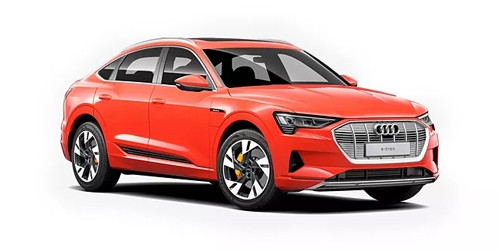
Audi e-tron

Audi-etron

The Audi e-tron stands at the forefront of automotive innovation, embodying the pinnacle of electric vehicle engineering. With its seamless blend of cutting-edge technology, luxurious design, and eco-conscious performance, the e-tron represents Audi’s unwavering commitment to sustainable mobility without compromising on the thrill of driving. When considering EV charging, various companies offer charging solutions. For instance, with Servotech’s DC Fast charger, you can confidently charge your EV. If you prefer charging at a station or are a charging station owner then Servotech’s 150 kW DC chargers are the best option. They ensure fast charging and can be found at nearly every station.

PriceBattery PackRangeCharging Time
Start at 1.02 Cr onwards71 kWh*484*km on full recharge0%-80% in 30 min* with DC charger

Source: AUDI India

Jaguar I-Pace

Jaguar i-pace

The I-PACE redefines the driving experience with its sleek design, agile handling, and zero-emission powertrain. This groundbreaking vehicle seamlessly combines Jaguar’s renowned luxury with cutting-edge electric technology, delivering a thrilling and environmentally conscious ride. With its innovative features, impressive range, and commitment to sustainable driving, the I-PACE stands as a bold testament to Jaguar’s dedication to redefining the boundaries of performance and eco-consciousness in the automotive landscape. When considering EV charging, various companies offer charging solutions. For instance, with Servotech’s 11 kW AC home charger, you can confidently charge your EV. Alternatively, if you prefer charging at a station or are a charging station owner then Servotech’s 120 kW DC chargers are the best option. They ensure fast charging and can be found at nearly every station.

PriceBattery PackRangeCharging Time
Start at 1.20 Cr onwards90 kWh470* km on full recharge 8.5 hrs* with AC home charger

Source: Jaguar India

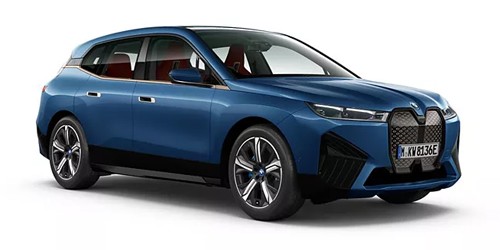
BMW iX

BMW iX

The BMW iX is a seamless blend of visionary design, groundbreaking technology, and unwavering sustainability. As BMW’s premier electric Sports Activity Vehicle (SAV), the iX surpasses norms, offering a captivating fusion of comfort, innovative technology, and emission-free power. Boasting a pioneering electric drivetrain, cutting-edge connectivity, and a forward-thinking design, the iX propels us into a new era of intelligent, emission-free mobility, reshaping the very essence of driving in our contemporary world. When considering EV charging, various companies offer charging solutions. For instance, with Servotech’s 11 kW AC home charger, you can confidently charge your EV. Alternatively, if you prefer charging at a station or are a charging station owner then Servotech’s 120 kW DC chargers are the best option. They ensure fast charging and can be found at nearly every station.

PriceBattery PackRangeCharging Time
Start at 1.21 Cr onwards71 kWh425*km on full recharge0%-100% in 7h* with AC home charger

Source: BMW India

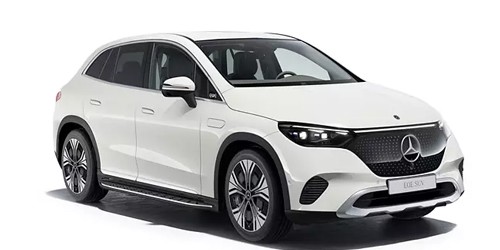
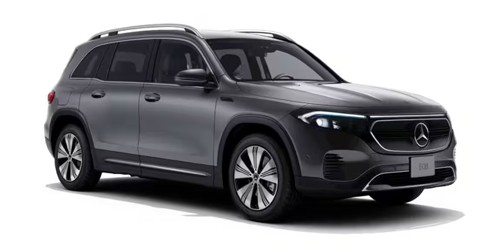
Mercedes-Benz EQE SUV

Mercedes-Benz EQE
Mercedes-Benz EQE

As the latest addition to the Mercedes-Benz EQ family, the EQE SUV represents an electrifying convergence of style, performance, and eco-conscious engineering. This avant-garde electric SUV embodies the brand’s dedication to redefining the automotive landscape, delivering a harmonious blend of opulence and responsible mobility. With its cutting-edge electric propulsion, advanced technological features, and a design language that epitomizes modern elegance, the EQE SUV stands as a beacon of Mercedes-Benz’s commitment to a progressive and environmentally conscious driving experience. When considering EV charging, various companies offer charging solutions. For instance, with Servotech’s 11 kW AC home charger, you can confidently charge your EV. Alternatively, if you prefer charging at a station or are a charging station owner then Servotech’s 180 kW DC chargers are the best option. They ensure fast charging and can be found at nearly every station.

PriceBattery PackRangeCharging Time
Start at 1.39 Cr onwards90.56 kWh550*km on full recharge10%- 80% in 32* min with DC charger

Source: Mercedes-Benz Group

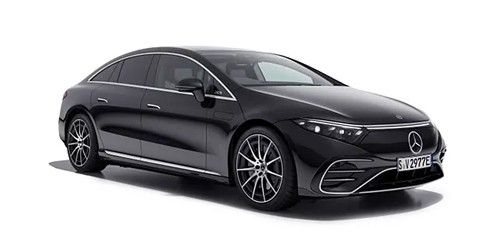
Mercedes-Benz EQS

Mercedes-Benz EQS

The Mercedes-Benz EQS embodies a paradigm shift in the world of electric vehicles, marrying opulence with sustainable mobility. This visionary all-electric sedan redefines luxury, boasting unparalleled elegance, cutting-edge technology, and an exceptional electric range. With its futuristic design, state-of-the-art features, and a commitment to zero-emission driving, the EQS stands as a testament to Mercedes-Benz’s relentless pursuit of automotive excellence in an eco-conscious era. When considering EV charging, various companies offer charging solutions. For instance, with Servotech’s 11 kW AC home charger, you can confidently charge your EV. Alternatively, if you prefer charging at a station or are a charging station owner then Servotech’s 120 kW DC chargers are the best option. They ensure fast charging and can be found at nearly every station.

PriceBattery PackRangeCharging Time
Start at 1.59 Cr onwards107.8 kWh857* km on full recharge10%-80% in 31* min with DC charger

Source: Mercedes-Benz Group

Audi e-tron GT

The e-Tron GT merges Audi’s iconic aesthetics with cutting-edge electric technology, delivering a thrilling driving experience powered solely by electricity. With its sleek design, lightning-fast acceleration, and state-of-the-art engineering, the e-tron GT embodies Audi’s vision for the future of electric performance vehicles, promising a harmonious blend of luxury, performance, and environmental responsibility. When considering EV charging, various companies offer charging solutions. For instance, with Servotech’s 11 kW AC home charger, you can confidently charge your EV. Alternatively, if you prefer charging at a station or are a charging station owner then Servotech’s 240 kW ultra-fast DC chargers are the best option. They ensure fast charging and can be found at nearly every station.

PriceBattery PackRangeCharging Time
Start at 1.70 Cr onwards93.4 kWh388*km on full recharge5%-80% in 22.5* min with DC charger

Source: Audi India

BMW i7

BMW i7

The BMW i7 redefines the essence of luxury sedans, seamlessly blending opulence with zero-emission driving. This avant-garde electric vehicle represents a harmonious fusion of cutting-edge technology, sophisticated design, and uncompromising performance. With its unparalleled comfort, advanced electric powertrain, and a suite of futuristic features, the i7 sets a new standard for sustainable luxury, embodying BMW’s vision for a greener and more luxurious automotive future. When considering EV charging, various companies offer charging solutions. For instance, with Servotech’s 11 kW AC home charger, you can confidently charge your EV. Alternatively, if you prefer charging at a station or are a charging station owner then Servotech’s 240 kW ultra-fast DC chargers are the best option. They ensure fast charging and can be found at nearly every station.
PriceBattery PackRangeCharging Time
Start at 1.97 Cr onwards101.7 kWh625*km on full recharge10%-80% in 50* mins with DC charger

Source: BMW India

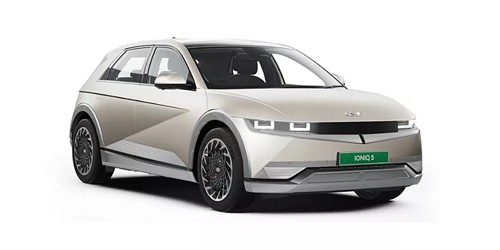
Hyundai Ioniq 5

Hyundai Ioniq 5

As Hyundai’s premier electric vehicle, the Ioniq 5 is a bold step into a new era of automotive excellence. This avant-garde crossover SUV showcases a harmonious fusion of cutting-edge technology, exceptional performance, and a commitment to eco-consciousness. With its strikingly sleek design, spacious interior, and impressive electric range, the Ioniq 5 redefines the electric vehicle landscape, offering a driving experience that seamlessly integrates style, efficiency, and sustainability. When considering EV charging, various companies offer charging solutions. For instance, with Servotech’s 11 kW AC home charger, you can confidently charge your EV. Alternatively, if you prefer charging at a station or are a charging station owner then Servotech’s 360 kW ultra-fast DC chargers are the best option. They ensure fast charging and can be found at nearly every station.

PriceBattery PackRangeCharging Time
Start at 45.95 Lakhs onwards72.6 kWh425*km on full recharge10%-80% in 6H 55*Min with AC Home Charger

Source: Hyundai Motor India

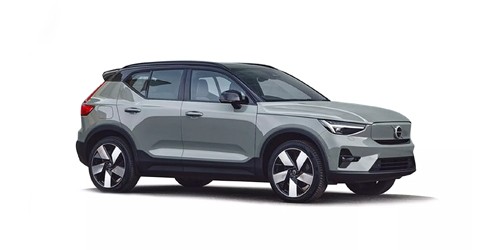
Volvo XC40

Volvo XC40

As Volvo’s luxury SUV, the XC40 redefines urban driving with its distinctive design, advanced technology, and unparalleled safety standards. This SUV embodies a perfect harmony of style and practicality, offering a spacious interior, an intuitive infotainment system, and a suite of cutting-edge safety features. With its strong performance, attention to detail, and commitment to safety, the Volvo XC40 stands as a compelling choice in the competitive luxury SUV segment, promising a refined driving experience tailored to modern urban life. When considering EV charging, various companies offer charging solutions. For instance, with Servotech’s 7.4 kW AC home charger, you can confidently charge your EV. Alternatively, if you prefer charging at a station or are a charging station owner then Servotech’s 150 kW DC chargers are the best option. They ensure fast charging and can be found at nearly every station.

PriceBattery PackRangeCharging Time
Start at 56.90 Lakhs onwards78 kWh418*km on full recharge10%-80% in 28* min with DC charger

Source: Volvo Group

Mini Cooper SE Electric 

Mini Cooper SE Electric 

The Mini Cooper SE Electric represents a bold leap into the future of urban driving, blending iconic design with emission-free motoring. As Mini’s first all-electric model, the Cooper SE Electric maintains the brand’s renowned style and performance while embracing sustainable mobility. This electric hatchback seamlessly integrates the charm of the classic Mini with the benefits of zero-emission driving. Boasting lively acceleration, a distinctive design, and agile handling, the Mini Cooper SE Electric stands as a spirited and eco-conscious choice for urban adventurers seeking a blend of iconic heritage and modern sustainability in their driving experience. When considering EV charging, various companies offer charging solutions. For instance, with Servotech’s 11 kW AC home charger, you can confidently charge your EV. Alternatively, if you prefer charging at a station or are a charging station owner then Servotech’s 30 & 60 kW DC chargers are the best option. They ensure fast charging and can be found at nearly every station.

PriceBattery PackRangeCharging Time
Start at 53.50 Lakhs onwards32.6 kWh270*km on full recharge0%-80% in 2h30* min with AC home charger

Source: MINI India

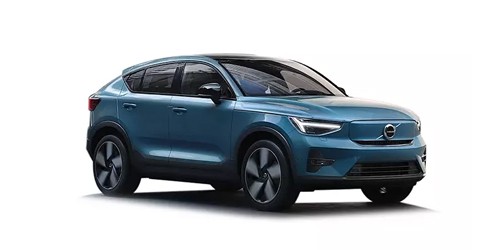
Volvo C40 

Volvo C40 

The C40 sets the benchmark for stylish, emission-free driving. This captivating crossover embodies a sleek and contemporary design, coupled with advanced electric technology, promising a thrilling yet environmentally conscious driving experience. With its commitment to cutting-edge safety features, versatile performance, and a sophisticated interior, the Volvo C40 stands as a bold statement in the world of electric mobility, redefining luxury SUVs with a fusion of forward-thinking design and sustainable engineering. When considering EV charging, various companies offer charging solutions. For instance, with Servotech’s 11 kW AC home charger, you can confidently charge your EV. Alternatively, if you prefer charging at a station or are a charging station owner then Servotech’s 60, 120 &150 kW DC chargers are the best option. They ensure fast charging and can be found at nearly every station.

PriceBattery PackRangeCharging Time
Start at 62.95 Lakhs onwards78 kWh530*km on full recharge10%-80% in 27* min with DC charger

Source: Volvo Group

Mercedes-Benz EQB

Mercedes-Benz EQB

The Mercedes-Benz EQB stands as a testament to luxury electrification, blending the iconic style of Mercedes-Benz with eco-conscious innovation. As the latest addition to the EQ lineup, the EQB epitomizes versatility and sustainability in a premium compact SUV. This electrified marvel seamlessly marries sophistication with zero-emission driving, showcasing a distinctive design, cutting-edge technology, and the renowned comfort synonymous with the Mercedes-Benz brand. With its spacious interior, advanced features, and commitment to sustainable mobility, the EQB represents a harmonious convergence of luxury, practicality, and eco-friendliness, redefining the boundaries of electric vehicle excellence. When considering EV charging, various companies offer charging solutions. For instance, with Servotech’s 11 kW AC home charger, you can confidently charge your EV. Alternatively, if you prefer charging at a station or are a charging station owner then Servotech’s 30, 60 & 150 kW DC chargers are the best option. They ensure fast charging and can be found at nearly every station.

PriceBattery PackRangeCharging Time
Start at 74.50 Lakhs onwards66.5 kWh423*km on full recharge10%-80% in 6.25*hr with AC home charger

Source: Mercedes-Benz Group

BMW i4

BMW i4

The BMW i4 emerges as the epitome of electric luxury, seamlessly fusing the iconic BMW craftsmanship with eco-conscious innovation. Positioned as BMW’s avant-garde electric Gran Coupe, the i4 embodies a compelling blend of dynamic performance, state-of-the-art technology, and sustainable engineering. This electric marvel redefines the driving experience, boasting an elegant design, impressive electric range, and a commitment to emissions-free mobility. With its powerful acceleration, luxurious interior, and forward-thinking electric capabilities, the BMW i4 stands as a testament to BMW’s dedication to redefining automotive excellence in the electric era. When considering EV charging, various companies offer charging solutions. For instance, with Servotech’s 11 kW AC home charger, you can confidently charge your EV. Alternatively, if you prefer charging at a station or are a charging station owner then Servotech’s 30, 60 & 180 kW DC chargers are the best option. They ensure fast charging and can be found at nearly every station.

PriceBattery PackRangeCharging Time
Start at 72.50 Lakhs onwards83.9 kWh590*km on full recharge0%-100% in  8H 20* Min with AC home charger

Source: BMW India

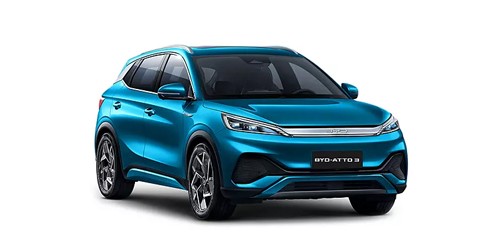
BYD Atto 3

BYD Atto 3

The BYD Atto 3 represents a paradigm shift in urban mobility, embodying efficiency, innovation, and compact versatility. As a city-centric electric vehicle, the Atto 3 by BYD delivers a remarkable fusion of modern design, cutting-edge technology, and eco-friendly functionality. This nimble and compact electric car redefines urban commuting with its small footprint, agility, and emission-free performance. Featuring a sleek exterior, smart connectivity features, and a focus on efficiency, the Atto 3 showcases BYD’s commitment to providing a sustainable and agile solution for modern urban transportation needs. When considering EV charging, various companies offer charging solutions. For instance, with Servotech’s 7.2 kW AC home charger, you can confidently charge your EV. Alternatively, if you prefer charging at a station or are a charging station owner then Servotech’s 30 & 60 kW DC chargers are the best option. They ensure fast charging and can be found at nearly every station.

PriceBattery PackRangeCharging Time
Start at 33.99 Lakhs onwards60.48 kWh521*km on full recharge10%-80% in 9.5-10* hrs with AC home charger

Source: BYD India

BYD E6

BYD E6

The BYD E6 stands at the forefront of electric mobility, offering a harmonious blend of practicality, sustainability, and technological innovation. As an electric MPV (Multi-Purpose Vehicle), the E6 by BYD provides a spacious and versatile driving experience without compromising on eco-consciousness. Renowned for its impressive electric range, this vehicle showcases BYD’s commitment to revolutionizing urban transportation. With a sleek design, advanced features, and a dedication to zero-emission driving, the BYD E6 emerges as a compelling option for those seeking an electric vehicle that seamlessly integrates efficiency, comfort, and environmental responsibility. When considering EV charging, various companies offer charging solutions. For instance, with Servotech’s 7.4 kW AC home charger, you can confidently charge your EV. Alternatively, if you prefer charging at a station or are a charging station owner then Servotech’s 60 & 120 kW DC chargers are the best option. They ensure fast charging and can be found at nearly every station.

PriceBattery PackRangeCharging Time
Start at 29.15 Lakhs onwards71.7 kWh520*km on full recharge0%-100% in 12*hrs with AC home charger

Source: BYD India

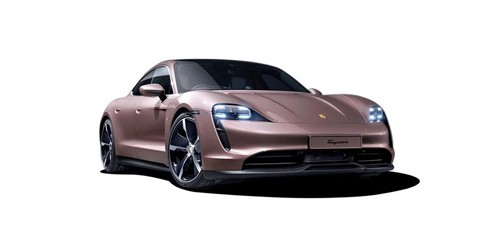
Porsche Taycan

Porsche Taycan

The Porsche Taycan heralds a new chapter in the world of high-performance electric vehicles, blending Porsche’s iconic sports car DNA with electrifying innovation. As Porsche’s first all-electric model, the Taycan embodies the brand’s commitment to thrilling driving experiences, delivering unparalleled performance with zero emissions. This cutting-edge electric sports car redefines expectations with its stunning design, lightning-fast acceleration, and track-ready agility. With a focus on futuristic technology, luxurious comfort, and a seamless blend of sustainability and performance, the Taycan stands as a testament to Porsche’s legacy of automotive excellence in the electric era. When considering EV charging, various companies offer charging solutions. For instance, with Servotech’s 11 kW AC home charger, you can confidently charge your EV. Alternatively, if you prefer charging at a station or are a charging station owner then Servotech’s 60 & 150 kW DC chargers are the best option. They ensure fast charging and can be found at nearly every station.

PriceBattery PackRangeCharging Time
Start at 1.61 Cr onwards93.4 kWh452*km on full recharge0%-100% in  8*hrs with AC home charger

Source: Porsche India

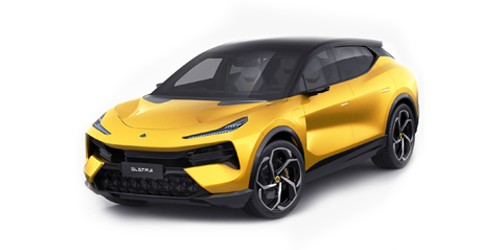
Lotus Eletre

Lotus Eletre

The Lotus Eletre marks a transformative step combining Lotus’ legendary engineering prowess with futuristic electric innovation. As Lotus’ first all-electric model, the Eletre embodies the brand’s commitment to unparalleled performance, delivering an electrifying driving experience while embracing sustainability. This groundbreaking electric SUV redefines the boundaries of luxury and performance with its striking design, dynamic handling, and cutting-edge technology. With a focus on exquisite craftsmanship, high-speed capabilities, and an eco-conscious approach, the Lotus Eletre sets a new benchmark in the world of electric performance vehicles, blending the thrill of Lotus’ heritage with forward-thinking electric mobility. When considering EV charging, various companies offer charging solutions. For instance, with Servotech’s 22 kW AC home charger, you can confidently charge your EV. Alternatively, if you prefer charging at a station or are a charging station owner then Servotech’s 360 kW ultra-fast DC chargers are the best option. They ensure fast charging and can be found at nearly every station.

PriceBattery PackRangeCharging Time
Start at 2.55 Cr onwards112 kWh600*km on full recharge10%-80% in 22*min with DC charger

Source: Lotus Cars

Conclusion

The Indian electric car market in 2023 offers an exciting array of options for eco-conscious consumers. It is however important for you to know that the Indian EV market is in a nascent stage and continuously developing. New automakers along with top manufacturers are regularly offering improved variants of EVs. Therefore, you will witness the launch of improved variants soon under different categories including hatchback, sedan, saloon, SUV, MPV, and others. R&D teams are actually working with innovative approaches and renewed concepts to keep owners away from different kinds of issues and experience sustainable travel. The aforementioned options are undoubtedly the best options to own. Make a smart purchase as per your requirements and actively contribute to the future of electric mobility in India. So, whether you are a daily commuter or an automobile enthusiast, EV is the next big thing in the automobile industry.

Disclaimer: Images used here are subject to copyright with their respective owners.

Read more: The Ultimate Guide to EV Charging

Read More
EV Charger
December 4, 2023by Shivangi Chaudhary2 Comments
717 Likes

The Changing Dynamics of EV Charging

Smart charging technology manages the impact of electric vehicles on the energy system by strategically regulating their charging activities. EVs impact the energy system by increasing the electricity demand, potentially straining the grid and affecting energy prices. By continuously monitoring real-time grid conditions and considering EV user preferences, smart charging technology optimizes charging schedules, reducing peak load stress and supporting renewable energy integration. This proactive approach reduces strain on the grid during peak hours and enhances the integration of EVs into the energy ecosystem while simultaneously minimizing expenses and environmental consequences, facilitating a smoother transition to a cleaner and more sustainable energy ecosystem. 

V2G Technology and the Grid

V2G Technology offers grid flexibility by enabling EVs to export their surplus battery capacity to the grid. This can help bridge gaps in renewable energy generation or offer assistance during peak demand periods. With most EV charging occurring overnight, V2G facilitates the use of more renewable energy during peak-off hours, ensuring that their batteries are fully charged for the next day. V2G also bolsters grid resilience, offers ancillary services, and creates income opportunities for EV owners. However, overcoming technical and regulatory barriers is crucial to realizing its potential in enhancing grid stability and sustainability. Additionally, the extensive capacity of EV batteries can also serve the grid effectively through vehicle-to-grid technology, enabling bidirectional energy flow. By integrating EVs into the grid as flexible energy storage units, they can deliver ancillary services, mitigate grid volatility, and facilitate load management, ultimately fostering a greener and more robust energy ecosystem.

EV Charging Landscape in India

 CCS 2 chargers have become the prevailing charging connector for electric four-wheelers, promoting interoperability in EV charging infrastructure. However, when it comes to electric two and three-wheelers, there is still a lack of standardized connectors. In terms of CPOs and CMS, the Open Charge Point Interface (OCPI) is being introduced as a payment interface, akin to the UPI in the financial sector, to facilitate seamless and convenient payment methods for EV charging. Charger manufacturers are mandated to adhere to Open Charge Point Protocol (OCPP) standards, with approval from organizations such as ICAT or ARAI serving as a standard requirement. Niti Ayog’s recommendations for EV charging infrastructure have significantly influenced national and state-level policies. State policies on EVSE have been updated regularly, moving from initial initiatives for EV infrastructure development to recent mandates in the form of Government Orders for all forthcoming projects.

Role of DLT ( Distributed Ledger Technology ) and DIH( Digital Integration Hub ) in the EV Industry

Technological Advancements like Distributed Ledger Technology (DLT) and Digital Integration Hub(DIH) are reshaping the EV industry by streamlining operations, enhancing transparency, and revolutionizing data management and exchange. DLT plays a vital role in securely recording all data related to EV charging and discharging, ensuring the integrity of information against malicious tampering. This technology also empowers EV users to monitor their vehicle’s status during power transactions and dispatching, enhancing transparency and trust in the process. DIH is an advanced application architecture that consolidates fragmented data from various backend record systems into low-latency, high-performance, and scalable data without unnecessary complexities in a cost-effective way. It can help with managing and monitoring the charging stations as well as optimize energy usage. Through the utilization of a Digital Integration Hub (DIH) with IoT integration, companies gain access to real-time status updates on their charging stations, facilitating rapid response to any offline issues that may arise.

Way Forward

 The EV industry is currently experiencing an exciting era of growth and India can expect several groundbreaking technological advancements and trends that will significantly amplify the impact of the EV charging ecosystem within the technological landscape. These include the emergence of sodium-ion batteries, the adoption of wireless EV charging, the deployment of electric roadways, the incorporation of EV charging lanes, and the design of overhead electric line systems specifically designed for electric buses and trucks.

Authored By
Mr. Raman Bhatia, Founder &  Managing Director
Servotech Power Systems Ltd.

This article was originally published in Manufacturing Today

Read More
EV Charger
December 1, 2023by Shivangi Chaudhary0 Comments
647 Likes

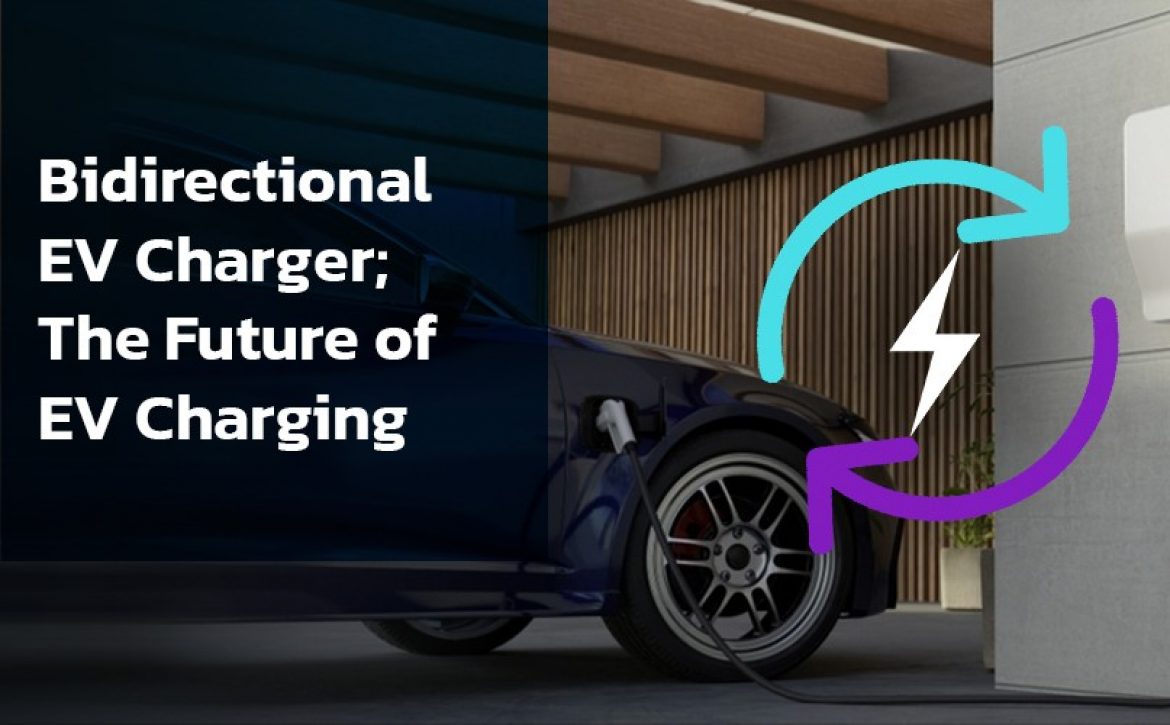
Bidirectional EV Charger: The Future of EV Charging

The advent of electric vehicles (EVs) has brought a transformative change in the automotive landscape, challenging the conventional norms of transportation. At the heart of this revolution lies the bidirectional EV charger—a pivotal innovation poised to redefine how we perceive and utilize charging infrastructure. Unlike unidirectional chargers, bidirectional EV chargers not only replenish a vehicle’s battery but also enable a two-way flow of electricity, presenting a paradigm shift in the world of EV charging. As the automotive industry propels towards sustainability and energy efficiency, the bidirectional EV charger emerges as a critical cornerstone and bidirectional EV charging emerges as the key form of charging in  promising a future towards a smarter, more interconnected energy ecosystem. Bidirectional EV charging, closely linked with V2G or Vehicle-to-Grid Technology, marks a significant leap toward a smarter, more interconnected energy ecosystem. Want to know how? You can read the article here (insert link). Meanwhile, let’s explore how bidirectional EV chargers are revolutionizing the electric vehicle landscape and paving the way for a greener, more efficient future. 

Read also: Promoting The Growth of EV Charging Infrastructure

What is Bidirectional EV Charging?

Bidirectional EV charging is exactly what it sounds like EV charging that goes two ways. Whilst with unidirectional (one-way) EV chargers, electricity flows from the electric grid into the electric vehicle, with bidirectional (two-way) EV chargers, electricity can flow both ways. 

Usually, EVs use chargers that enable a unidirectional flow of electricity from the grid to the vehicle for charging purposes. Bidirectional chargers, on the other hand, have the capability to facilitate a two-way flow of energy. This means that when required, the charged battery of an EV can send surplus energy back to the grid or be used to power a home or building, acting as a temporary energy storage system.

This technology allows EVs to contribute to grid stability, support energy demand during peak times, and serve as distributed energy storage, ultimately enhancing the efficiency and flexibility of the power grid. Bidirectional EV charging also enables a more integrated and sustainable energy ecosystem.

Understanding Bidirectional EV Chargers

In recent times, bidirectional EV chargers have emerged as a pioneering technology with the ability to revolutionize the electric mobility and energy sectors. Solar panels harness sunlight, converting it into electricity, which is then utilized by a bidirectional EV charger to power the vehicle. Excess electricity, post-vehicle charging, is directed towards charging the associated battery energy storage system. Beyond simply powering EVs, these chargers redirect excess electricity, when batteries are fully charged or when the vehicle is disconnected, back to the grid, contributing to the overall energy supply. Moreover, during nights, fully charged batteries serve as reliable backups, ensuring hassle-free EV recharging. This innovation significantly enhances energy sustainability, promotes grid stability, and bolsters overall energy efficiency, laying the foundation for a more sustainable charging ecosystem.

Benefits of Bidirectional  EV Chargers

The versatility of bidirectional EV chargers goes beyond simply powering vehicles. These chargers act as a pivotal link between the EVs and the power grid, offering several noteworthy advantages:

1. Grid Resilience: They support grid stability by allowing EVs to supply stored energy back to the grid during peak demand or emergencies, enhancing overall grid resilience.

2. Demand Response: These chargers enable demand response programs, allowing utilities to manage peak electricity demand more efficiently by controlling the flow of energy between EVs and the grid.

3. Energy Arbitrage: Users can take advantage of varying electricity prices by charging their EVs during off-peak times when rates are lower and selling stored energy back to the grid during peak hours, potentially reducing electricity costs.

4. Renewable Energy Integration: Bidirectional charging facilitates the integration of renewable energy sources by storing excess renewable energy in EV batteries and releasing it to the grid when needed.

5. Backup Power: EVs equipped with bidirectional chargers can serve as backup power sources during power outages, supplying electricity to homes or buildings.

6. Reduced Emissions: By optimizing the use of renewable energy and reducing reliance on fossil fuels during peak times, bidirectional charging contributes to lowering greenhouse gas emissions.

7. New Revenue Streams: Bidirectional chargers offer opportunities for EV owners to participate in energy markets, potentially generating additional income by selling stored energy back to the grid.

8. Infrastructure Optimization: Bidirectional EV chargers, by providing energy back to the grid, reduce the strain on existing infrastructure during high-demand periods, potentially delaying the need for costly grid expansions.

Conclusion

Bidirectional EV chargers stand at the forefront of a transformative shift in the EV charging landscape. Their ability to not just consume energy but also provide it back to the grid or buildings marks a significant step toward a more sustainable and resilient energy future. As advancements and infrastructure continue to develop, these chargers are set to redefine the relationship between EVs and energy management, heralding a new era in clean transportation and energy utilization.

Read also: Everything You Need to Know about Vehicle-to-Grid (V2G) Technology

Read More
EV Charger
November 23, 2023by Shivangi Chaudhary0 Comments
694 Likes

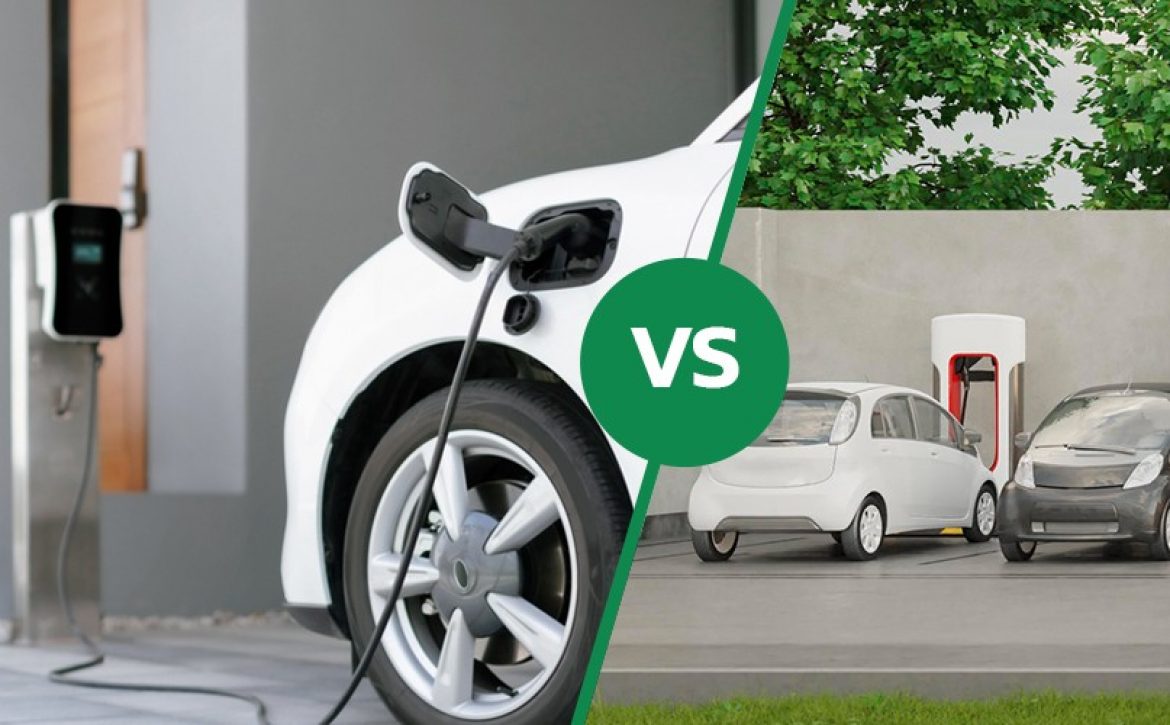
Home Electric Vehicle Charging Station VS Public Electric Vehicle Charging Station

Electric vehicles (EVs) are becoming increasingly popular as a cleaner and more sustainable mode of transportation. As EV adoption grows, one of the key considerations for potential owners is where and how to charge their vehicles. Two primary options are available: home electric vehicle charging stations and public electric vehicle charging stations. Public electric vehicle charging station allows EV owners to charge their vehicles at a publicly available parking space. On the other hand, home electric vehicle charging station allows EV owners to charge their vehicles at home. These chargers are usually installed in a residential garage and provide a convenient and efficient way to recharge an EV. Each has advantages and disadvantages, and the choice depends on individual needs, lifestyle, and driving habits. This blog will discuss the differences between Public Electric Vehicle Charging Station and the Home Electric Vehicle  Charging stations.

Difference Between Home Electric Vehicle Charging Stations vs Public Electric Vehicle Charging Stations

Here are a few differences between Home Electric Vehicle Charging Stations and Public Electric Vehicle Charging Stations

1. Location

  • Public Electric Vehicle Charging Stations: Located in public areas like shopping centers, highways, and parking lots.
  • Home Electric Vehicle Charging Stations: Installed at the EV owner’s residence, often in a garage or driveway.

2. Charging Speed

  • Public Electric Vehicle Charging Stations: Offer varying charging speeds, including Level 1, Level 2, and DC fast charging.
  • Home Electric Vehicle Charging Stations: Typically provide Level 1 or Level 2 charging, or AC Charger being the most common for home use.

3. Accessibility

  • Public Electric Vehicle Charging Stations: Accessible to the general public, available 24/7 in many cases.
  • Home Electric Vehicle Charging Stations: Private and accessible only to EV owners and their households.

4. Cost

  • Public Electric Vehicle Charging Stations: These may have different pricing structures, including pay-per-use, subscription plans, or even discounted charging at some locations.
  • Home Electric Vehicle Charging Stations: Involve upfront costs for the charger, installation, and any necessary electrical upgrades, but often result in lower long-term charging costs.

5. Control and Scheduling

  • Public Electric Vehicle Charging Stations: The user can schedule an appointment using the Servotech EV charging app. For charging to occur, either a designated person is present at the station to facilitate the charging process or the users can do it themselves using the Servotech EV charging app or QR code.
  • Home Electric Vehicle Charging Stations: When you live in housing societies there is a high chance that your charger can be misused. In this case, an RFID card is essential to ensure security and control of the charging process.

6. Purpose

  • Public Electric Vehicle Charging Stations: Designed for on-the-go charging, supporting long trips, and charging while shopping, dining, or running errands.
  • Home Electric Vehicle Charging Stations: Intended for daily charging needs, especially for commuters and overnight charging.

7. Use Cases

  • Public Electric Vehicle Charging Stations: Crucial for long-distance travel, offering fast charging along highways and major routes.
  • Home Electric Vehicle  Charging Stations: Ideal for regular, predictable charging needs, ensuring the EV is ready for daily use.

8. Network Variety

  • Public Electric Vehicle Charging Stations: Part of diverse charging networks with varying connectors and pricing structures.
  • Home Electric Vehicle Charging Stations: Part of diverse charging networks with varying connectors and pricing structures.

9. Waiting Times

  • Public Electric Vehicle Charging Stations: Possible wait times during peak hours or when stations are in use.
  • Home Electric Vehicle Charging Stations: No waiting, as the charger is dedicated to the EV owner.

10. Reliability

  • Public Electric Vehicle Charging Stations: Availability and reliability can vary by location and network, with occasional out-of-service issues.

Home Electric Vehicle Charging Stations: Reliable, assuming proper installation and maintenance, providing consistent access to charging.

Read also: Difference between AC and DC Charger For Electric Vehicles

Read More
EV Charger
November 17, 2023by servotech team0 Comments
705 Likes

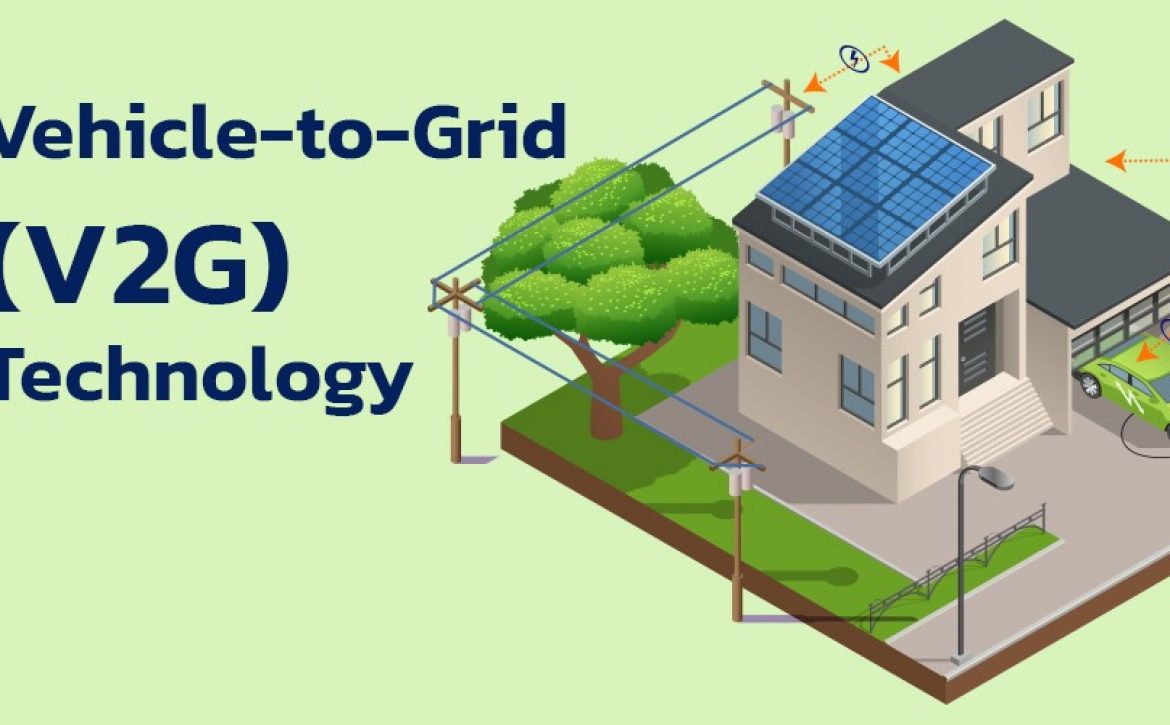
Everything You Need to Know about Vehicle-to-Grid (V2G) Technology

Vehicle-to-grid (V2G) technology marks a transformative phase in the convergence of Electric Vehicles and power grids. This innovative system allows electric vehicles to not only draw energy from the grid for charging but also to feed stored energy in vehicle batteries back into the grid when needed. V2G, often associated with bidirectional charging, creates a dynamic interplay where EVs act as a distributed energy resource, benefiting both grid stability and electric vehicle owners. This article provides a comprehensive overview of V2G technology, encompassing its functionalities, benefits, applications, global adoption status, challenges, and India’s readiness for its integration into the energy landscape.

What is Vehicle-to-grid Technology?

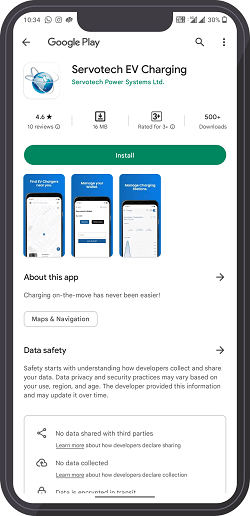
The vehicle-to-grid or V2G is a technology that involves EVs supplying electricity back to the power grid to meet the energy demands in peak hours. V2G technology powers bi-directional charging which makes it possible to charge the EV battery and take the energy stored in the battery of the EV and push it back to the power grid. While bi-directional charging and V2G are often used synonymously, there is a slight difference between the two. While bi-directional charging means two-way charging (charging and discharging), V2G technology only enables the flow of the energy from the car’s battery back to the grid. 

Benefits of V2G Technology

i) Virtual Power Plant: V2G technology synchronizes thousands of EVs, acting as a decentralized energy system. It supplies power during peak demand, charges during low demand, and balances the grid. This orchestration is known as a Virtual Power Plant (VPP). Unlike traditional power plants, VPPs use cloud-based software to control thousands of battery systems to create a virtual large-scale generator or storage system and to combine various energy resources like solar panels, batteries, and EVs. 

ii) Grid Stabilization: V2G facilitates bidirectional energy flow, allowing electric vehicles to supply stored energy back to the grid when needed. This capability helps stabilize the grid by balancing supply and demand fluctuations, especially during peak hours or in emergencies.

iii) Voltage Support: EVs equipped with V2G capability can provide voltage support to the grid, ensuring consistent and stable voltage levels.

iv) Backup Power: Bidirectional EV Chargers used to enable V2G are not only used to provide grid support. These powerful devices contain power inverters, and most new bidirectional chargers can also enable backup power in the event of a blackout or emergency. However, for a bidirectional inverter to power a house independently of the grid, it must first be isolated from the grid network, known as islanding.

v) Integration of Renewable Energy: V2G enables the integration of renewable energy sources into the grid. EVs can store excess energy generated from renewable sources like solar or wind power and supply it when needed, supporting a cleaner and more sustainable energy mix and reducing overall greenhouse gas emissions, enhancing environmental sustainability. 

How does Vehicle-to-grid Technology Work?

V2G Working

V2G technology enables EVs to communicate with the grid to either draw electricity for charging or discharge excess energy back into the grid. During peak demand, these vehicles can supply stored energy, acting as a decentralized power source. Conversely, during off-peak hours, they charge when electricity is abundant. Implementing V2G technology requires the usage of smart technology, enabling an electric vehicle to sync with the electricity grid and inject power into the grid using a specialized bidirectional charger. These advanced devices, equipped with power converters, can either charge the EV’s battery or send power back to the grid as per instructions. Approval from the grid operator is essential to connect a bidirectional charger to an EV for supplying power to the grid. Remote management by the grid operator, controlling the injected energy, is facilitated through a Virtual Power Plant program (VPP).

Applications of V2G Technology  

1) Electric Vehicle Fleet Management: Businesses manage EV fleets efficiently by using V2G to schedule charging/discharging, reduce operational costs, and support sustainability initiatives.

2) Grid Ancillary Services: V2G technology supports grid ancillary services like voltage control, reactive power support, and grid reliability enhancement.

3) Smart Home Integration: EVs with V2G capability can power homes during peak hours, reducing household electricity costs and supporting residential energy management.

4) Intelligent Energy Trading: V2G facilitates energy trading between EVs and the grid or other EVs, fostering a dynamic market for energy exchange.

How Can V2G Become Mainstream for EV Adoption?

Establishing standardized protocols and regulatory support is fundamental to propelling V2G technology into the mainstream. These efforts ensure interoperability among diverse vehicles, and charging infrastructure, and incentivize V2G integration through clear tariff structures and grid access regulations. Scaling up of V2G-compatible charging infrastructure across homes, public spaces, and workplaces, simplifies V2G participation for EV owners. Collaborations among stakeholders foster technological advancement, while large-scale demonstration projects showcase V2G advantages, fostering wider adoption. Continuous Research and Development remain pivotal in refining V2G technology, optimizing energy management, and ensuring grid stability for its mainstream assimilation.

Is India Ready for Vehicle to Grid?

V2G is pivotal for India’s energy grid. India’s renewable energy capacity is set to grow to 500 GW by 2030, Over the same period, about 40% of new vehicle sales in India are expected to be EVs. Notably, segments like two/three e-wheelers may witness over 75% EV adoption, highlighting the substantial opportunity to utilize EV batteries in advancing V2G technology across India’s energy sector.

India showcases the potential for Vehicle-to-Grid technology adoption, yet its readiness hinges on pivotal factors. The evolving EV infrastructure lays the groundwork, but the scarcity of bi-directional chargers, essential for V2G, calls for accelerated deployment. Regulatory frameworks must align with V2G integration, outlining grid access and incentivizing participation for consumers. Strengthening the grid infrastructure becomes paramount, necessitating adaptations to manage bidirectional energy flow. Heightened public awareness about V2G benefits is essential, underlining its role in grid support and sustainability Comprehensive efforts encompassing infrastructure expansion, regulatory clarity, grid enhancements, and awareness campaigns are vital to propel India towards successful V2G integration.

Opportunities and Challenges

As EVs spend a significant portion of their lifetime parked, their inherent battery storage capacity positions them as an attractive and flexible solution for the power system. This unique characteristic creates vast storage capacity within the EV fleets. These EVs function as flexible loads and decentralized storage resources, providing additional flexibility to support power system operations. V2G is particularly significant in solar-based systems, when synced with renewable energy sources, V2G can minimize extra load impact on the power system and leverage synergies between EVs and renewables. Smart EV charging minimizes reliance on carbon-intensive fossil fuel plants to balance renewable energy.  Implementing V2G can also reduce the need for distribution grid investments. 

However, there are a few challenges that India must overcome before tapping into the V2G potential.  As the growth of EVs is set to increase in smaller vehicle segments, the amount of EVs needed to be aggregated to create a storage network is greater. A mechanism that brings together these small vehicles, or even just the batteries within them, can unlock massive potential. The other challenge is the creation of bidirectional charging stations that enable the aggregated network of batteries to work as an energy storage system. In the absence of this critical infrastructure, EVs can only receive energy and would not be able to send it back to the grid. V2G provides a solution for zero carbon emissions in energy and mobility and India must seize this opportunity to achieve the goals it has laid out for not just 2030, but beyond.

Conclusion

V2G technology offers a transformative bridge between electric vehicles and energy grids, promising enhanced grid stability and sustainability. While India’s readiness for V2G integration shows promise, addressing infrastructure challenges and fostering regulatory alignment is pivotal for propelling this innovation toward a sustainable energy future.
Read More
EV Charger
November 9, 2023by servotech team0 Comments
679 Likes

Promoting The Growth of EV Charging Infrastructure

The global shift towards sustainable transportation has never been more evident than today. Electric vehicles (EVs) are becoming increasingly popular as consumers and governments alike recognize the environmental and economic benefits they offer. However, for this electric revolution to reach its full potential, a robust and widespread EV charging infrastructure is crucial. EV charging infrastructure refers to the network of charging stations and related equipment that allows electric vehicle owners to charge their vehicles’ batteries. A robust and technologically advanced EV charging infrastructure will support EV adoption, mitigate range anxiety, and reduce greenhouse gas emissions.

Ways to Promote The Growth of EV Charging Infrastructure

Here we will explore the importance of promoting the growth of EV charging. Check out the various ways to promote the growth of EV Charging infrastructure.
1) Government Incentives

Governments play a pivotal role in driving the expansion of EV charging infrastructure. They can offer tax incentives, subsidies, and grants to businesses and individuals for the installation of electric vehicle charging stations. Additionally, implementing regulations that require new buildings and public areas to include EV charging infrastructure can spur growth.
2) Public-Private Partnerships

Collaborations between public and private entities are key to scaling up EV charging infrastructure. Local governments can work with private companies to develop charging networks, ensuring both accessibility and reliability.
3) Investment in Fast-Charging

Fast EV charging stations, which can recharge an EV in a matter of minutes, are critical for long-distance travel and mitigating range anxiety. Investing in the deployment of fast chargers along highways and in urban areas is a priority.

4) Interoperability and Standardization

To encourage growth, it’s essential that charging stations are standardized and interoperable, allowing all EVs to use them. Efforts in this direction will make it easier for EV drivers to find and use charging stations.

5) Education and Awareness

Public awareness campaigns can play a significant role in promoting the growth of EV charging infrastructure. By educating consumers about the benefits and availability of EV charging, more people may be encouraged to make the switch.

Read also: The Rise in Demand and Popularity of EV Cars in India

6) Innovation and Technology

Continued research and development in charging technology are crucial. This includes improving the efficiency of EV chargers, developing wireless charging solutions, and enhancing user experience through mobile apps and payment systems.

7) Utility Involvement

Work with utilities to incentivize the installation of charging infrastructure by offering lower electricity rates during off-peak hours for EV charging. Support utility investments in EV infrastructure as part of their grid modernization efforts.

8) Incentives for Businesses and Fleet Owners

We can encourage ride-sharing and delivery companies to adopt electric vehicles. By offering them incentives, we can speed up the transition to EVs and install charging infrastructure at their facilities.

9) Charging Station Accessibility

By ensuring that EV charging stations are accessible to people with disabilities and are located in convenient, high-visibility locations, we are promoting the growth of charging infrastructure. 

10) Economic Incentives for Charging Providers

Offer charging station providers incentives, such as reduced electricity rates or tax breaks, to encourage the expansion of their networks.

Conclusion

The expansion of EV charging infrastructure is not merely about installing charging stations; it represents a collective commitment to creating a more sustainable, accessible, and environmentally friendly future for transportation. This collaborative effort is pivotal in our global endeavor to mitigate climate change, reduce carbon emissions, and lower our dependence on fossil fuels. The development and maintenance of charging infrastructure create job opportunities. This stimulates local economies and facilitates employment growth. The growth of EV charging networks fosters innovation in battery technology, charging speed, and grid management. These innovations not only benefit EV owners but also have the potential to enhance the efficiency and reliability of our broader energy grid. As cities expand their EV charging infrastructure, they often engage in more sustainable urban planning, including the creation of pedestrian-friendly spaces and the promotion of public transportation, cycling, and walking. The promotion of electric vehicles and the growth of charging infrastructure often engage communities in discussions about sustainability, energy efficiency, and the environment. This heightened awareness can lead to more environmentally conscious behaviors beyond just vehicle choice.  By embracing and advancing this growth, we can accelerate the transition to electric vehicles (EVs) and thrive in a cleaner, healthier, and more prosperous world.

Read also: How to Open an Electric Car Charging Station in India

Read More
EV Charger
October 25, 2023by servotech team0 Comments
660 Likes

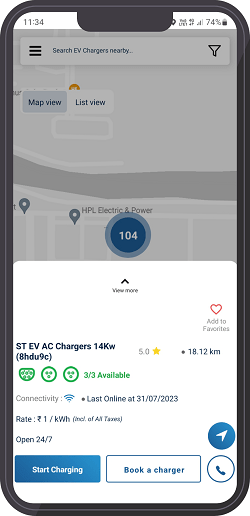
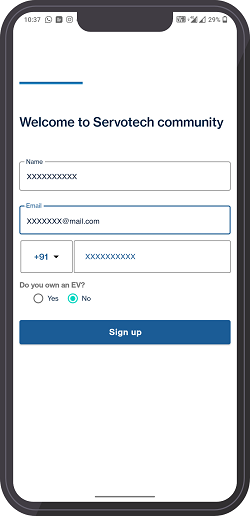
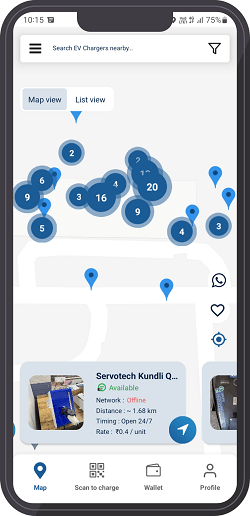
How to Book Charging Session from Servotech EV Charging App

With electric vehicles (EVs) gaining widespread popularity as a sustainable means of transportation, the demand for dependable and user-friendly charging infrastructure has never been greater. The Servotech EV Charging App stands out as a robust solution, seamlessly accommodating both AC Chargers and DC Chargers, offering EV owners the ability to effortlessly reserve charging sessions, discover nearby charging stations, and effectively oversee their EV’s charging requirements.

Step By Step Process To Book Charging Session from Servotech EV Charging App

Here, we will explain the step-by-step process to book EV charging sessions using the Servotech EV Charging App, ensuring that you maximize the benefits of your electric driving journey.

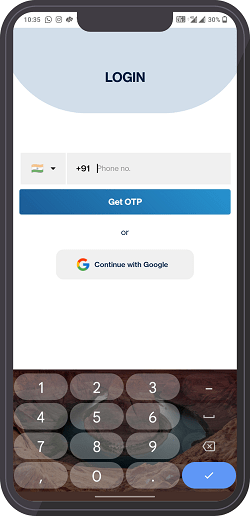
Step 1: Download the App

Step 1: Download the App

To get started, head over to your device’s app store, whether you’re using an Android or iOS device, and download the Servotech EV Charging App. It’s your gateway to effortless EV charging. Available at both platforms Google Play Store or App Store.

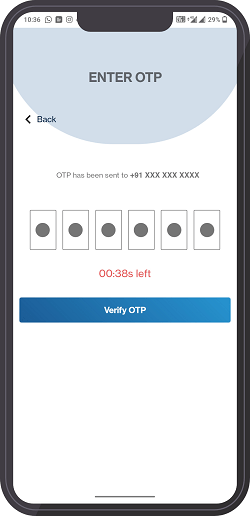
Step 2: Setting Up Your Account

If you already have an existing account, just sign in.  If you are a new user then log in using your mobile number or through your Google account directly.

Step 3: Locate, Filter, Choose your Charging Stations

Log in to the app and view the map displaying nearby EV charging stations. Employ filters to refine your search based on charger types and availability. Select the ideal charging station by tapping its icon on the map.   

Step 4: Book and Confirm your Charging Session

After tapping on the icon, you will be provided with two options; start charging or book a charger. If your chosen charging station either an AC Charger or a DC charger offers reservations, you can book your charging session by selecting a date and time. Double-check your booking details, which include the date, time, and station location, to ensure accuracy. Confirm your reservation and get ready to charge your EV.

Step 5: Initiate Charging 

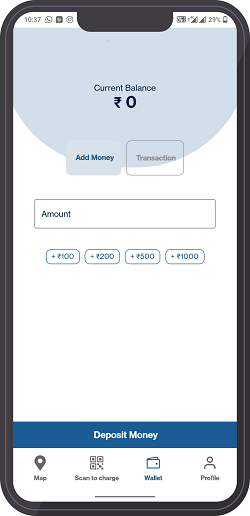
Recharge your Servotech app wallet with a minimum balance of ₹ 25 for charging to take place. Using the Servotech EV Charging App, initiate your charging session by following the on-screen prompts. Depending on the station, this may involve scanning a QR code or inputting a charging code received during the booking process.

Step 8: Easy Payments

Made your Payment

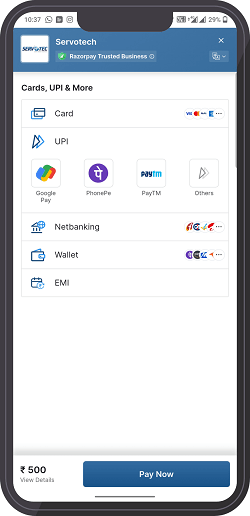
The App will calculate your payment based on your EV’s charging needs. If your balance is insufficient, the app will automatically pause the charging process. Charging will only occur based on the funds available in your Serovtech wallet. Additionally, you will receive a payment confirmation or receipt for your records.

Step 6: Monitor Your Session

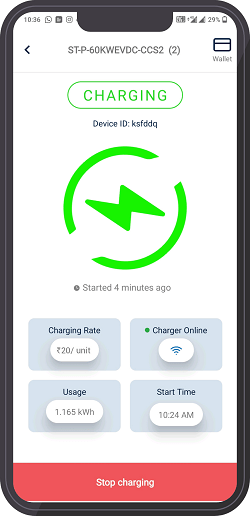
While your EV is charging, stay informed about your session’s progress directly through the app. You’ll have access to crucial details such as the charging rate,  estimated remaining time, and the total cost incurred.

Step 7: End Your Session

Once your EV is fully charged or you decide to conclude the session, utilize the app to end the charging process. You can do this by clicking on the stop charging button displayed at the end of the screen.

Conclusion

With the Servotech EV Charging App, booking and managing your EV charging is a hassle-free and user-friendly process. By following these steps, you can ensure that your EV is always charged and ready to take on the road, contributing to a cleaner and more sustainable transportation future.

Read also: The Complete Guide To DC Fast Charging

Read More
EV Charger
October 20, 2023by servotech team0 Comments
731 Likes

The Complete Guide To DC Fast Charging

In the ever-evolving landscape of transportation and energy, the rise of electric vehicles has sparked a revolution that is changing the way we move and power our world. At the heart of this transformation lies the game-changing technology of  DC fast charging. Understanding DC fast charging is not just an option – it’s a necessity. In this blog, we will explore the world of DC fast charging. From understanding the technology behind it to setting up charging stations and everything in between,  this blog will empower you with the knowledge needed to navigate the rapidly evolving landscape of DC fast charging. Whether you’re an electric vehicle owner, an entrepreneur looking to invest in charging infrastructure, or simply an enthusiast curious about the future of transportation, this blog is your gateway to insights and expertise.

What is DC Fast Charging?

DC Fast Charging (Direct Current Fast Charging) is a technology that is used to quickly charge electric vehicles (EVs). DC Fast Chargers provide a high-voltage DC directly to the EV’s battery which allows for significantly faster charging speeds.

Range of DC EV Charging

The range of a DC Fast EV Charger can vary depending on the charger’s power output, the vehicle’s compatibility, and the state of charge of the EV’s battery. 

i) 15 kW Charger: As a rough estimate, a 15 kW DC charger can add around 96-120 km of range to an electric vehicle in one hour of charging.

ii) 30 kW Charger: A 30 kW DC EV charger can provide faster charging compared to a 15 kW charger. It can add approximately 192-240 km of range to an electric vehicle in one hour of charging. 

iii) 60 kW Charger: A 60 kW DC charger is a high-capacity charger that can significantly reduce charging times for electric vehicles. On average, a 60 kW charger can add 384-480 km of range to an electric vehicle in one hour of charging.

iv) 120 kW Charger: A 120 kW DC EV charger is a high-capacity charger designed for rapid charging. It can add a significant amount of range to an electric vehicle in a relatively short amount of time. On average, a 120 kW charger can add approximately 770-965 km of range to an electric vehicle in one hour of charging.

 v) 360 kW Charger: A 360 kW DC charger is an extremely high-capacity charger designed for ultra-fast charging. These chargers are found in specialized charging stations and are capable of adding a substantial amount of range to an electric vehicle in a very short time. On average, a 360 kW DC EV charger can add 2,315-2,987 km of range to an electric vehicle in just one hour of charging.

The above estimates provide a general idea of the capacities of different DC fast chargers. As technology advances, faster chargers and more efficient EVs may become available, further reducing charging times and increasing the range added during a charging session.

How does the DC Charger work?

A DC charger, often used for electric vehicles (EVs) and some electronic devices, works by directly providing electric current to a battery or device in the form of direct current. Here’s a simplified explanation of how a DC charger works:

i) Power Supply: The DC charger is connected to a power source, which can be the electrical grid, a dedicated charging station, or other sources of direct current.

ii) Conversion: If the power source provides AC (Alternating Current), which is the common form of electricity supplied by the grid, the DC charger includes a built-in converter that transforms AC to DC. This is a crucial step, as most devices and batteries, especially in electric vehicles, require direct current for charging.

iii) Voltage Regulation: The DC charger regulates the voltage of the direct current to match the voltage requirements of the device or battery being charged. Different devices may require different voltage levels, and the charger ensures the voltage is within a safe and efficient range.

iv) Current Regulation: Similar to voltage, the DC charger regulates the electric current, ensuring that it provides the right amount of current for the device. This is important to prevent overcharging, overheating, and potential damage to the battery.

v) Charging Process: The charger then delivers the regulated DC current to the battery or device. Charging may continue until the battery reaches its capacity, at which point some chargers may automatically stop the flow of current to prevent overcharging. Many modern DC chargers include safety features like overcurrent protection and temperature sensors to ensure safe and efficient charging.

Cost of DC EV Chargers

The pricing of EV chargers can vary significantly depending on several factors, including their capacity, features, and manufacturer. For chargers with a capacity between 15kW to 360kW, the cost ranges from a starting point of Rs 3,00,000 and can go up to Rs 30,00,000 or even more. The specific price you pay will be influenced by various elements such as the charger’s power output, the technology it incorporates, the number of charging ports it offers, and any additional features like advanced connectivity, payment systems, and smart grid integration.

How to Set Up a DC Charging Station?

Here’s a general overview of how to set up a DC charging station:

1) Planning and Site Selection

Identify a suitable location for the EV charging station. Consider factors such as accessibility, visibility, power availability, and proximity to areas with EV traffic. Determine the type and power rating of the DC charger you want to install, based on anticipated demand and traffic patterns.

2) Infrastructure Assessment

Ensure that the electrical infrastructure at the chosen site can support the power requirements of the DC charger. You may need to work with an electrical engineer or consultant to assess and potentially upgrade the electrical system.

3) Permitting and Regulations

Check local, state, and national regulations and obtain any necessary permits and approvals for the installation of the charging station.

4) Charger Procurement and Installation

Purchase the DC fast charger(s) from a reputable manufacturer or supplier. Ensure that the charger is compliant with relevant standards and regulations and compatible with the local electrical system.

Hire a certified electrician or electrical contractor experienced in DC charging station installations to install the charger. This process involves connecting the charger to the electrical grid, ensuring proper wiring, and implementing safety measures.

5) Networking and Payment Systems

Consider implementing a networked charging system that allows users to access and pay for charging services. This often involves partnering with a charging network service provider or implementing your own payment and access control system.

6) Maintenance and Data Collection

Establish a comprehensive strategy for the ongoing operation and management of the charging station, encompassing testing, commissioning, maintenance, support, and data collection to ensure efficient and reliable performance.

Conclusion

DC fast charging is revolutionizing the electric vehicle industry by offering rapid charging solutions. With varying power levels, these chargers can significantly reduce the time needed to add range to an EV, making electric vehicles more practical for daily use. Additionally, DC chargers play a vital role in efficient energy conversion, enabling the power needed for various applications. While the cost of DC EV chargers can vary, setting up charging stations requires careful planning, compliance with regulations, and a commitment to maintenance for a seamless charging experience. As technology continues to advance, we can expect even faster chargers and more convenient EV charging infrastructure to further accelerate the adoption of electric vehicles. So, get ready to charge up and drive into the future of sustainable transportation!

Read More
EV Charger
September 22, 2023by servotech team0 Comments
868 Likes

Unplugging the Truth: Revealing DC EV Charging Myths

Electric vehicles ( EVs ) are designed with electric motors instead of conventional engines, making them more energy-efficient and environmentally friendly. For electric vehicles to function smoothly, charging is required. An electric vehicle charging station is an equipment that connects an EV to a source of electricity to recharge the vehicle. These charging stations come in two types: Alternating Current (AC) chargers and Direct Current (DC) chargers, each serving a different purpose in the EV ecosystem.

DC EV charging is a method of charging electric vehicles that uses direct current electricity to charge the vehicle’s battery. DC charging is faster than AC charging and this technology has revolutionized the EV charging experience by significantly reducing charging times compared to AC charging methods. 

The electric vehicle revolution is electrifying the automotive industry and the charging infrastructure is evolving rapidly to meet the demands of this eco-conscious transportation era. However, there are certain myths that surround DC EV charging making people feel reluctant about using DC chargers. It is extremely important to clear these myths and bring the truth to the surface.

Revealing Some Common Myths About DC EV Charging

In this blog, we will reveal some DC EV charging myths, so that, you can know the charging the right way! Unplugging the Truth.

 Myth #1: DC Chargers can Charge Two Wheelers.

Reality:  No, we cannot use DC chargers to charge our two-wheelers because the battery pack of two-wheelers is small and the capacity of DC chargers is high which makes DC chargers unsuitable for charging two-wheelers. Apart from this, the charging socket of the two-wheeler is different from the gun of the DC charger.

Myth #2: DC Chargers are Harmful to EV Batteries

Reality: In this case, it is important to understand that modern EVs are engineered to handle fast charging without causing significant harm to the battery. While excessive use of fast chargers can have a minor impact on the battery health over time; it is generally not a concern for daily driving. Manufacturers incorporate advanced battery management systems (BMS) to regulate the charging process and safeguard battery longevity. Apart from this if you charge your EV with an AC charger twice a week, you can prevent the impact of a DC charger on the battery health.

Myth #3:  DC Charger Can Charge Any Vehicle in Less Time.

Reality:  The charging rate depends on the capacity of the charger and the vehicle battery pack. All electric vehicles have battery packs corresponding to their capacity some have normal battery packs, while others have heavy battery packs. So, The charging time for EVs depends on their capacity and battery packs.

Myth #4: DC Charging Station Business is Not Profitable

Reality:  No it is not true.  With the increasing popularity of electric vehicles, the need for charging infrastructure is increasing rapidly. Hence, the business of starting DC charging stations is increasing at a faster pace and can prove to be extremely profitable.

Myth #5: DC Chargers are only for Long-Distance Travel

Reality: Some thought that DC fast chargers are only necessary for long road trips and not for everyday use. While DC fast charging is indeed convenient for long journeys, it can also be useful for quick top-ups or charging during the day when time is limited.

Myth #6: DC Chargers are Complicated to Use

Reality: DC chargers may appear intimidating at first, but most of them are user-friendly. Many charging stations have touchscreens with clear instructions, and mobile apps can help you locate and initiate charging sessions. Plus, as more people adopt EVs, user interfaces are becoming increasingly user-friendly.

Myth #7: DC Chargers are not Environment Friendly

Reality: Some individuals believe that DC charging is less environmentally friendly than AC charging. In reality, both AC and DC charging methods can be powered by renewable energy sources, making them equally dependent on the green energy source.

Myth #8: DC Chargers are Prone to Overheating

Reality: DC chargers are engineered to operate safely and efficiently. They incorporate various safety mechanisms, including temperature monitoring and automatic shutdown in case of overheating. While occasional technical issues can arise, they are not specific to DC chargers and are usually addressed promptly by charging network operators.

Myth #9: Vehicles of Foreign Brands Cannot get Charged from DC Charger

Reality:  No the above myth is not true. Any four-wheeler of any brand of any country can be charged with the DC charger, provided that, the connector needs to be the same.

Myth #10: DC Chargers Require a Dedicated Person to be Available for its Operation.

Reality: DC chargers are easy to operate. These are app-based, so,  the vehicle owners themselves can start the charging process. The users can even make payments through the app once the charging is done.

Conclusion

To conclude, gaining a clear understanding of DC chargers is of paramount importance for anyone interested in indulging in the world of electric vehicles and EV charging infrastructure. As the electric vehicle landscape continues to progress, it is essential to reveal common misconceptions and embrace accurate information. Having the right knowledge not only ensures a smooth and well-informed transition to a cleaner and more sustainable mode of transportation but also plays a pivotal role in shaping the future of mobility.

With DC fast charging technology at the forefront, we are witnessing a transformation in the way we power our vehicles. These advanced charging solutions provide the convenience of rapid charging, making electric vehicles an increasingly practical choice.  By clarifying the myths surrounding DC and DC fast charging, we pave the way for a seamless transition to electric mobility.

Read also: Difference between AC and DC Charger For Electric Vehicles

Read More
EV Charger
September 5, 2023by servotech team0 Comments
674 Likes

List of Top 8 Hybrid Electric Cars in India 2023

A hybrid car proves a better option in modern times to enjoy convenient drives and stay protected against fears of driving range anxieties. These hybrid vehicles also keep the environment clean with reduced tail-pipe emissions. Automakers configure hybrid vehicles with perfect utilization of the latest technical concepts. Here is the list of top hybrid cars in India with their configuration, prices, battery packs, and other essential details. Check the complete list of the best hybrid cars in India in 2023 and make a better purchase to enjoy comfortable travel with reduced GHG emissions.  

Top 8 Hybrid Electric Cars in India 2023

Check out the list of top hybrid electric cars in India that offer some good options that ideally help to experience affordable travel with the intelligent use of two energy resources. 

1. Toyota Urban Cruiser Hyryder

Toyota Urban Cruiser Hyryder

The decision to drive the Toyota Urban Cruiser Hyryder proves a better decision. This hybrid car is widely famous among enthusiastic car owners for its smooth driving experience, low maintenance, reduced emissions, and ultra-comfortable cabin space. These features also make it an ideal option for long-route drives.    

Fuel: Petrol and Electric

Power: 68 kW (92.45 PS) @ 5500 rpm

Price: Rs. 19.90 Lakhs onwards (Ex-showroom Price)

Battery Pack: Li-ion – 177.6 V

Source: Toyota Bharat

2. Maruti Grand Vitara IEH(Intelligent Electric Hybrid)

Maruti Grand Vitara IEH

Maruti Suzuki Grand Vitara is equipped with a spacious cabin and all other modern features which make it an ideal choice for comfortable travel. The engineering and designing teams of Maruti Suzuki also have provided attractive interiors along with extra space inside this best-in-category hybrid car. Enlarged legroom helps to stay comfortable even during long-distance trips.     

Fuel: Petrol and Electric

Power: 68 kW (92.45 PS) @ 5500 rpm

Price: Rs. 18.50 Lakhs onwards (Ex-showroom Price)

Battery Pack: Li-ion – 177.6 V

Source: Nexa Experience

Read also: India’s Fastest DC Charger – Servotech SQUAD 360kW DC EV Charger

3. Honda City EHEV

Honda City EHEV

The Honda City Ehev Hybrid car clearly represents the best side of automobile engineering as you enjoy a smooth driving experience with reduced emissions. This best-in-category hybrid car is equipped with all vital technical features and stylish interiors. Therefore, driving a Honda City Ehev hybrid always proves a pleasure on larger terms.   

Fuel: Petrol and Electric

Power: 93 kW (126 PS) 

Price: Rs. 18,89,000 Lakhs onwards (Ex-showroom Price)

Battery Pack: Lithium-ion 172.8 Volt

Source: Honda Car India

4. Toyota Camry

Toyota Camry

Confidently purchase a Toyota Camry hybrid to experience elegant driving at a low travelling cost. Toyota engineers have configured it to power its wheels with both petrol and electricity. Just recognize the real-time condition and intelligently switch between two energy resources to travel from one place to another at a reduced cost.  

Fuel: Petrol and Electric

Power: 88 kW (120 PS)

Price: Rs. 46.10 Lakhs onwards (Ex-showroom Price)

Battery Pack: Nickel-Metal Hydride – 245 V

Source: Toyota Bharat

5. Maruti Ciaz Alpha Hybrid

Maruti Ciaz Alpha Hybrid

The performance & efficiency of the Maruti Suzuki Ciaz hybrid delight perfectionists with a number of advantages. This new-age vehicle also keeps the environment clean & green with reduced emissions. The R&D teams of Maruti Suzuki have equipped this hybrid car with a number of security features that provide extended security to experience confident drives.   

Fuel: Petrol and Electric

Power: 77 kW@6000 rpm or 104.6 PS@6000 rpm

Price: Rs. 9.30 Lakhs onwards (Ex-showroom Price)

Battery Pack: Lithium-ion and Lead Acid Dual Battery setup

Source: Nexa Experience

6. BMW XM

BMW XM

BMW XM apparently proves the best hybrid car for those who do not like to compromise on a smooth driving experience and optimum level of on-road comfort. The extensive engineering teams have equipped its interiors & exteriors with state-of-the-art features & cutting-edge technologies of the automobile industry. These features provide extended confidence during city drives and long-distance trips on expressways.    

Fuel: Petrol and Electric

Power:  145 kW or 197 PS

Price: Rs. 2,60,00,000 cr. (Ex-showroom Price)

Battery Pack: Lithium-ion 25.7 kWh

Source: BMW India

7. Volvo XC90

Volvo XC90

The highly efficient Volvo XC90 hybrid delivers phenomenal on-road performance and it is sure to add a new chapter to the records of the automobile industry with sustainable & cost-effective travel. It carries a twin-engine setup that generates sufficient power to experience faster & confident drives on highways and smooth travel on city roads.  

Fuel: Petrol and Electric

Power: 107 kW or 145 PS

Price: Rs. 98.30 Lakhs onwards (Ex-showroom Price)

Battery Pack: Lithium-ion 48V

Source: Volvo Cars

8. Lexus LC 500H

Lexus LC 500H

Lexus LC 500H gives a completely new definition to sporty design and elegant driving experience that too without compromising on performance. This characteristic makes it an ideal choice among young car enthusiasts. The R&D teams of Lexus have equipped it with all modern facilities that make it a frontline choice to enjoy with remarkable driving experience.  

Fuel: Petrol and Electric

Power: 264 kW (359 PS) @ 6,600 rpm

Price: Rs. 2,40,00,000 cr. (Ex-showroom Price)

Battery Pack: Lithium-ion 650 V

Source: Lexus India

Conclusion

The above-described cars are the best hybrid cars in India that help to enjoy comfortable drives without compromising on a smooth driving experience. Automakers carefully manufacture each car to deliver a commendable performance while contributing to a clean & green environment with reduced GHG emissions. The Indian automotive market in 2023 offers a large range of options for potential car buyers. Purchase an appropriate hybrid car for a better driving experience. The range of hybrid cars is large enough to meet individual requirements with perfection.

Disclaimer: Images used here are subject to copyright with their respective owners.

Read also: Top Electric Cars in India 2023

  • 1
  • 2
  • 3
  • 4
  • 5
  • 6

    Connect Now!

    Our expert will contact you soon.

    About us
    Awards & FelicitationsOur CapabilitiesOur CompanyOur LeadershipOur ProjectsTestaments
    Follow us
    Products
    EV ChargerLEDsPower & Backup
    Subsidiary Company
    Servotech EV Infra Pvt. Ltd. Servotech Sports and Entertainment Pvt. Ltd. Rebreathe Medical Devices India Pvt. Ltd. Hertz & Pixelz Pvt. Ltd.
    Media
    BlogsEventsMedia CoveragesMedia KitPress Release
    Quick Links
    Store LocatorSolar CalculatorEV Charging AppVendor RegistrationSite Map
    Write to us
    Sales
    servotech@servotechindia.comexportsales@servotechindia.comchannelsales@servotechindia.com
    Public Relations
    pr@servotechindia.com
    Marketing
    marketing@servotechindia.com
    ebiz@servotechindia.com
    Careers
    hr@servotechindia.com
    Contact us

    For Sales Enquiry: 011 41183116

    For EV Chargers sales: 9717691800

    For Service: 011 41183119

    Email : customercare@servotechindia.com

    Corporate Office

    806, 8th Floor, Crown Heights, Hotel Crown Plaza, Sector 10, Rohini New Delhi 110085

    Registered & Kundli Plant Address

    KHATA NO. 1970, KHEWAT NO. 1672, KHASRA NO. 21/20/2/2, REVENUE ESTATE, KUNDLI, P.S.Rai, Sonipat, Sonipat 131029, Haryana, India

    Safiabad Address

    Killa No.14, 6/1/2(0-3), 6/2/3(5-13, Safiabad, Pana Paposhian, Tehsil, Rai, Sonipat, Haryana 131029

    Follow us

    Awards & FelicitationsOur CapabilitiesOur CompanyOur LeadershipOur ProjectsTestaments

    EV ChargerLEDsPower & BackupSolar Products

    Servotech EV Infra Pvt. Ltd. Servotech Sports and Entertainment Pvt. Ltd. Rebreathe Medical Devices India Pvt. Ltd. Hertz & Pixelz Pvt. Ltd.

    BlogsEventsMedia CoveragesMedia KitPress Release

    Store LocatorSolar CalculatorEV Charging AppVendor RegistrationSite Map

    Sales
    servotech@servotechindia.comexportsales@servotechindia.comchannelsales@servotechindia.com
    Public Relations
    pr@servotechindia.com
    Marketing
    marketing@servotechindia.com
    ebiz@servotechindia.com
    Careers
    hr@servotechindia.com

    For Sales Enquiry: 011 41183116

    For EV Chargers sales: 9717691800

    For Service: 011 41183119

    Email : customercare@servotechindia.com

    Corporate Office

    806, 8th Floor, Crown Heights, Hotel Crown Plaza, Sector 10, Rohini New Delhi 110085

    Registered & Kundli Plant Address

    KHATA NO. 1970, KHEWAT NO. 1672, KHASRA NO. 21/20/2/2, REVENUE ESTATE, KUNDLI, P.S.Rai, Sonipat, Sonipat 131029, Haryana, India

    Safiabad Address

    Killa No.14, 6/1/2(0-3), 6/2/3(5-13, Safiabad, Pana Paposhian, Tehsil, Rai, Sonipat, Haryana 131029

    Copyright 2026 © Servotech Renewable Power System Limited: Privacy Policy. Brand Guidelines. Our Capability. Legal Disclaimer. Terms of use

    Top