• About Us
    • Awards & Felicitations
    • Our Company
    • Our Leadership
    • Our Projects
    • Testaments
  • Products
    • EV Charger
      • Spark Series (AC Charger)
      • Squad Series (DC Charger)
    • Solar Products
      • Solar Inverter
      • ServPort
      • Solar Management Unit
      • Solar Batteries
      • Solar Lithium Battery
      • Solar Panels
    • Power & Backup
      • Battery
      • Servo Stabilizer
      • UPS
    • Electric 3W Solutions
      • Lithium Battery
      • Electric 3W Charger
    • LEDs
      • Domestic LED
      • Commercial LED
    • Others
      • Oxygen Concentrator
      • UVC
  • Solutions
    • Solar EPC
    • Solar Calculator
    • EV Calculator
  • Media
    • Blogs
    • Events
    • Media Coverages
    • Media Kit
    • Press Releases
  • Investors
  • Contact

Type To Search

  • About Us
    • Awards & Felicitations
    • Our Company
    • Our Leadership
    • Our Projects
    • Testaments
  • Products
    • EV Charger
      • Spark Series (AC Charger)
      • Squad Series (DC Charger)
    • Solar Products
      • Solar Inverter
      • ServPort
      • Solar Management Unit
      • Solar Batteries
      • Solar Lithium Battery
      • Solar Panels
    • Power & Backup
      • Battery
      • Servo Stabilizer
      • UPS
    • Electric 3W Solutions
      • Lithium Battery
      • Electric 3W Charger
    • LEDs
      • Domestic LED
      • Commercial LED
    • Others
      • Oxygen Concentrator
      • UVC
  • Solutions
    • Solar EPC
    • Solar Calculator
    • EV Calculator
  • Media
    • Blogs
    • Events
    • Media Coverages
    • Media Kit
    • Press Releases
  • Investors
  • Contact

Type To Search

  • About Us
    • Awards & Felicitations
    • Our Company
    • Our Leadership
    • Our Projects
    • Testaments
  • Products
    • EV Charger
      • Spark Series (AC Charger)
      • Squad Series (DC Charger)
    • Solar Products
      • Solar Inverter
      • ServPort
      • Solar Management Unit
      • Solar Batteries
      • Solar Lithium Battery
      • Solar Panels
    • Power & Backup
      • Battery
      • Servo Stabilizer
      • UPS
    • Electric 3W Solutions
      • Lithium Battery
      • Electric 3W Charger
    • LEDs
      • Domestic LED
      • Commercial LED
    • Others
      • Oxygen Concentrator
      • UVC
  • Solutions
    • Solar EPC
    • Solar Calculator
    • EV Calculator
  • Media
    • Blogs
    • Events
    • Media Coverages
    • Media Kit
    • Press Releases
  • Investors
  • Contact
  • About Us
    • Awards & Felicitations
    • Our Company
    • Our Leadership
    • Our Projects
    • Testaments
  • Products
    • EV Charger
      • Spark Series (AC Charger)
      • Squad Series (DC Charger)
    • Solar Products
      • Solar Inverter
      • ServPort
      • Solar Management Unit
      • Solar Batteries
      • Solar Lithium Battery
      • Solar Panels
    • Power & Backup
      • Battery
      • Servo Stabilizer
      • UPS
    • Electric 3W Solutions
      • Lithium Battery
      • Electric 3W Charger
    • LEDs
      • Domestic LED
      • Commercial LED
    • Others
      • Oxygen Concentrator
      • UVC
  • Solutions
    • Solar EPC
    • Solar Calculator
    • EV Calculator
  • Media
    • Blogs
    • Events
    • Media Coverages
    • Media Kit
    • Press Releases
  • Investors
  • Contact
Read More
Solar
August 12, 2026by servotech team0 Comments
44 Likes

Solar Subsidy in Haryana Explained: Eligibility, Benefits & How to Apply (2026 Guide)

Electricity consumption across Haryana has been climbing steadily, driven by growing use of air conditioners, water heaters, and home appliances, along with expanding residential and commercial development in cities like Gurugram, Faridabad, Panipat, and Karnal. As monthly power bills increase, more homeowners are looking for a sustainable way to cut costs without compromising on comfort.

One of the most practical answers to this problem is a rooftop solar system. To make solar adoption easier and more affordable, the central government runs the PM Surya Ghar Muft Bijli Yojana, and in Haryana this scheme is implemented through HAREDA (Haryana Renewable Energy Development Agency) in coordination with the state’s two power distribution companies.

If you’re a homeowner in Haryana planning to go solar, understanding the Solar Subsidy in Haryana can significantly bring down your upfront investment while shortening the time it takes to recover your costs.

This guide walks you through everything — eligibility, subsidy amount, the 5kW solar system price in Haryana with subsidy, the step-by-step application process, required documents, and answers to the questions homeowners ask most often.

Book FREE Site Survey

Why Rooftop Solar is Gaining Momentum in Haryana

Haryana receives strong solar irradiance for most of the year, which makes rooftop solar a genuinely efficient investment rather than just an environmental gesture.

Several factors are pushing adoption higher across the state:

  • Rising domestic electricity tariffs
  • Frequent voltage fluctuations in semi-urban and rural feeders
  • Central government financial assistance under PM Surya Ghar
  • Net metering support from UHBVN and DHBVN
  • Growing awareness of long-term savings
  • Increasing real estate demand for solar-ready homes

Read also: 3kW Solar System in India: Price, Subsidy, Specifications & Buying Guide

What is the Solar Subsidy in Haryana?

The Solar Subsidy in Haryana refers to the financial assistance available to eligible residential consumers under the PM Surya Ghar Muft Bijli Yojana for installing a grid-connected rooftop solar system.

Rather than bearing the full installation cost, eligible homeowners receive a fixed government subsidy based on the capacity of the system installed, credited directly to their bank account after the installation is inspected and commissioned by the local DISCOM.

The subsidy exists to:

  • Lower the entry barrier to residential solar
  • Reduce household electricity expenses
  • Support Haryana’s renewable energy targets
  • Encourage decentralised power generation across the state

For many families, this subsidy is the deciding factor that makes rooftop solar financially viable sooner rather than later.

Get Free Quote for Solar Panels, Inverters and Other Solar Accessories

PM Surya Ghar Muft Bijli Yojana is India’s flagship residential rooftop solar scheme, targeting one crore households nationwide. In Haryana, HAREDA acts as the state nodal agency, working alongside UHBVN and DHBVN to process applications, coordinate inspections, and facilitate net metering.

Key objectives of the scheme in Haryana include:

  • Making rooftop solar affordable for middle-income households
  • Reducing dependence on conventional grid electricity
  • Supporting the state’s clean energy transition
  • Helping consumers lower their monthly electricity bills over the long term

Homeowners should always verify the latest subsidy structure and any additional state-level assistance directly on hareda.gov.in, since scheme details and slab amounts are periodically revised.

Who is Eligible for Solar Subsidy in Haryana?

Not every rooftop installation automatically qualifies for the subsidy. To claim benefits under the PM Surya Ghar Muft Bijli Yojana Subsidy in Haryana, applicants generally need to meet the following conditions:

1. Residential Ownership

The applicant should own the residential property where the system is being installed. Joint ownership is typically accepted.

2. Valid Domestic Electricity Connection

You need an active residential connection from either UHBVN or DHBVN, depending on which part of Haryana you live in. Commercial or agricultural tariff connections do not qualify under the residential subsidy.

3. Adequate, Shadow-Free Rooftop Space

The roof should have enough unshaded area to accommodate the panels and receive consistent sunlight through the day.

4. Sanctioned Load Within Limits

The connection’s sanctioned load generally needs to fall within the scheme’s prescribed limit for residential rooftop systems.

5. Installation Through an Empanelled Vendor

The system must be installed using ALMM-listed (Approved List of Models and Manufacturers) equipment through a vendor registered on the national PM Surya Ghar portal.

6. Net Metering Compliance

The installed system needs to be grid-connected and eligible for net metering through your DISCOM.

Read also: Solar Subsidy in Uttar Pradesh 2026 Explained

How Much Solar Subsidy Can You Get in Haryana?

Under the central PM Surya Ghar Muft Bijli Yojana, the subsidy is structured based on system capacity:

  • 1kW system: Subsidy of approximately ₹30,000
  • 2kW system: Subsidy of approximately ₹60,000
  • 3kW and above: Subsidy capped at approximately ₹78,000

This subsidy amount applies uniformly under the central scheme, and Haryana has, at various points, also offered additional state-level assistance for specific consumer categories such as economically weaker sections. Since state-level top-ups are revised periodically, it’s worth checking hareda.gov.in for the current status before finalising your installer contract.

The subsidy is disbursed via Direct Benefit Transfer (DBT) straight into the applicant’s bank account, typically within 30 to 45 days of successful commissioning and net meter installation.

5kW Solar System Price in Haryana with Subsidy

One of the most searched questions among Haryana homeowners is:

“What is the 5kW solar system price in Haryana with subsidy?”

Since the central subsidy is capped at 3kW capacity (approximately ₹78,000), a 5kW system receives the same maximum subsidy amount, with the remaining 2kW of capacity priced at the standard market rate.

The final project cost for a 5kW system depends on several variables:

  • Solar panel technology (Mono PERC, Bifacial, etc.)
  • Inverter type and brand
  • Mounting structure and roof type
  • Wiring, cabling, and balance-of-system components
  • Installation complexity and site conditions
  • Net metering charges levied by the DISCOM
  • Brand warranty and after-sales service coverage

A 5kW system is typically well-suited for larger homes with higher electricity consumption — think multiple ACs, a water heater, and several major appliances running through the day.

Tip: Before committing to a system size, use Servotech’s Solar Calculator to estimate the ideal capacity based on your actual electricity consumption, so you don’t end up over- or under-sizing your investment.

Read also: How Much Solar Capacity Do You Need Based on Your Electricity Bill?

Benefits of Rooftop Solar Subsidy in Haryana

Even without the subsidy, rooftop solar makes financial sense over the long run. With government assistance, the case becomes considerably stronger.

1. Lower Upfront Investment

The subsidy directly reduces the amount you need to pay out of pocket, easing the initial financial burden.

2. Faster Payback Period

With a lower net cost, most Haryana households can recover their investment meaningfully faster than an unsubsidised system.

3. Reduced Monthly Electricity Bills

A correctly sized system can offset a large share of daily household consumption, cutting your DISCOM bill significantly.

4. Protection Against Tariff Hikes

Once installed, your solar system insulates a portion of your electricity needs from future tariff increases.

5. Higher Property Value

Solar-equipped homes are increasingly attractive to buyers who want lower running costs and a smaller carbon footprint.

6. Long Operational Life

Quality solar panels typically perform reliably for 25 years or more, delivering savings well beyond the payback period.

Book FREE Consultation

  • UHBVN (Uttar Haryana Bijli Vitran Nigam): Covers northern and central Haryana, including Ambala, Kurukshetra, Karnal, Panipat, Sonipat, Rohtak, and Jhajjar.
  • DHBVN (Dakshin Haryana Bijli Vitran Nigam): Covers southern Haryana, including Gurugram, Faridabad, Palwal, and Mewat.
  • Both DISCOMs process PM Surya Ghar applications and net metering requests through the national portal, but local turnaround times can vary slightly depending on inspection backlogs in your circle.

    How to Apply for Solar Subsidy in Haryana?

    Applying for the Solar Subsidy in Haryana has become considerably more streamlined with the national PM Surya Ghar portal. Here’s the step-by-step process.

    Step 1: Assess Your Energy Requirement

    Review your last few electricity bills to understand your average monthly consumption, connected load, and available rooftop space.

    Tip: Use Servotech’s Solar Calculator to get a quick capacity estimate before applying.

    Step 2: Register on the PM Surya Ghar Portal

    Visit the official PM Surya Ghar Muft Bijli Yojana portal and register using your mobile number, electricity consumer number, state, and DISCOM (UHBVN or DHBVN).

    Step 3: Submit Your Application

    Provide your consumer details, rooftop information, and the proposed system capacity you wish to install.

    Step 4: Get Technical Feasibility Approval

    Your DISCOM reviews the application and grants technical approval before installation can begin.

    Step 5: Install the Rooftop Solar System

    Once approved, an empanelled installer carries out the site survey, system design, panel and inverter installation, wiring, and safety testing.

    Step 6: Net Meter Installation and Inspection

    After installation, the DISCOM inspects the system and facilitates net meter installation, enabling you to export surplus solar power to the grid.

    Step 7: Subsidy Disbursement

    Once commissioning is confirmed on the national portal, the subsidy amount is credited to your registered bank account via DBT, generally within 30 to 45 days.

    Documents Required for Solar System Subsidy in Haryana

    Keep the following ready before you begin your application:

    • Aadhaar Card
    • PAN Card (if applicable)
    • Residential address proof
    • Recent electricity bill
    • Passport-size photograph
    • Rooftop ownership proof
    • Bank account details (for DBT)
    • Installation and commissioning documents (provided by your installer)

    Document requirements can be updated periodically, so it’s a good idea to confirm the current checklist on the official portal before applying.

    Understanding Net Metering in Haryana

    Net metering is what allows a rooftop solar system to actually pay for itself efficiently. It lets you export any surplus electricity your system generates during the day back to the grid, earning credits against the power you draw from the grid at night or on cloudy days.

    Why Net Metering Matters

    • Maximises the value of every unit your system produces
    • Reduces your net monthly electricity bill
    • Improves overall return on investment
    • Cuts down dependence on grid power during peak hours


    Read also: How Does Net Metering Make Solar Power More Accessible to Consumers

    Common Mistakes to Avoid While Applying

    Many Haryana homeowners lose time — or subsidy eligibility — over avoidable errors.

    1) Undersizing or Oversizing the System

    Choosing a capacity that doesn’t match your actual consumption pattern reduces both savings and efficiency.

    2) Prioritising Price Over Component Quality

    Cheaper panels and inverters can compromise long-term output and reliability.

    3) Skipping a Proper Roof Assessment

    Shadow analysis and structural evaluation are essential before finalising system design.

    4) Delaying the Net Metering Process

    Postponing net meter installation delays your ability to start saving — and in some cases, delays subsidy disbursement.

    5) Choosing an Unverified Installer

    Always confirm that your vendor is empanelled on the national PM Surya Ghar portal to avoid application rejection.

    Why Choose Servotech for Rooftop Solar in Haryana?

    Selecting the right installation partner is just as important as claiming the subsidy itself.

    Servotech Renewable Power System Ltd. offers complete rooftop solar solutions for residential consumers in Haryana, including:

    • Site assessment and shadow analysis
    • Custom system design based on your consumption
    • High-efficiency solar panels and advanced solar inverters
    • Professional, ALMM-compliant installation
    • Assistance with subsidy documentation
    • Net metering coordination with UHBVN/DHBVN
    • End-to-end project support and after-sales service

    With a strong presence across North India, Servotech helps Haryana homeowners navigate the subsidy process while ensuring a system that’s built to perform reliably for decades.

    Frequently Asked Questions (FAQs)

    1. What is the Solar Subsidy in Haryana?

    It’s the financial assistance available to eligible residential consumers under the PM Surya Ghar Muft Bijli Yojana for installing a rooftop solar system, disbursed as a direct bank transfer after commissioning.

    2. Who is eligible for solar panel subsidy in Haryana?

    Residential homeowners with an active domestic connection from UHBVN or DHBVN, adequate rooftop space, and installation through an empanelled vendor are generally eligible.

    3. How much subsidy can I get for a 3kW solar system in Haryana?

    A 3kW system is eligible for the maximum central subsidy of approximately ₹78,000 under the PM Surya Ghar scheme.

    4. What is the 5kW solar system price in Haryana with subsidy?

    The final cost depends on equipment, brand, and installation complexity, with the government subsidy capped at the 3kW slab amount even for larger systems.

    5. Which DISCOM covers my area — UHBVN or DHBVN?

    UHBVN covers northern and central Haryana; DHBVN covers southern Haryana, including Gurugram and Faridabad.

    6. Can commercial properties claim this subsidy?

    No, the residential subsidy under PM Surya Ghar is intended for domestic consumers. Commercial installations follow separate policies.

    7. What documents are needed to apply?

    Aadhaar Card, electricity bill, address proof, bank account details, rooftop ownership proof, and passport-size photograph are typically required.

    8. Is net metering compulsory for the subsidy?

    Yes, the installed system needs to be grid-connected and eligible for net metering to qualify for subsidy disbursement.

    9. Can apartment owners install rooftop solar in Haryana?

    Yes, subject to rooftop availability and any applicable housing society or RWA approvals.

    10. How long does the subsidy take to arrive after installation?

    Typically 30 to 45 days after successful DISCOM inspection and commissioning on the national portal.

    11. What role does HAREDA play in the subsidy process?

    HAREDA is the state nodal agency coordinating rooftop solar promotion and subsidy-related processes in Haryana, alongside UHBVN and DHBVN.

    12. Why do some subsidy applications get rejected?

    Common reasons include non-ALMM-listed equipment, incorrect sanctioned load details, incomplete documentation, or use of an unregistered installer.

    13. How long do solar panels typically last?

    High-quality panels generally offer a functional lifespan of 25 years or more with minimal maintenance.

    14. Does Haryana get enough sunlight for solar to be worthwhile?

    Yes. Haryana receives strong solar irradiance for most of the year, making rooftop solar highly effective for residential use.

    15. Where can I estimate the right system size for my home?

    You can use Servotech’s Solar Calculator to get a quick, consumption-based capacity estimate before applying.

    Read also: Solar Subsidy in Rajasthan Explained: Eligibility, Benefits & How to Apply

    Conclusion

    The Solar Subsidy in Haryana has made rooftop solar a genuinely accessible option for residential consumers across the state. Through the PM Surya Ghar Muft Bijli Yojana, homeowners in cities like Gurugram, Faridabad, Panipat, and Karnal can significantly lower their upfront investment while building toward long-term electricity savings and greater energy independence.

    That said, the real value of this subsidy depends on choosing the right system capacity, using quality components, and working with an experienced installation partner who can navigate the documentation and net metering process smoothly.

    With Haryana’s strong solar potential and a well-established central subsidy framework, there has rarely been a better time for homeowners in the state to make the switch to rooftop solar.

    Read More
    Solar
    August 2, 2026by servotech team0 Comments
    82 Likes

    Solar Subsidy in Delhi Explained: Eligibility, Benefits & How to Apply (2026 Guide)

    Electricity costs in Delhi continue to rise as residential electricity consumption increases due to air conditioners, smart appliances, electric vehicles, and work-from-home lifestyles. At the same time, more homeowners are looking for sustainable ways to reduce their monthly electricity bills while contributing to a cleaner environment.

    One of the most effective solutions is installing a rooftop solar system. To encourage residential solar adoption, the Government of India has introduced financial support through the PM Surya Ghar Muft Bijli Yojana, making solar installations more affordable for eligible households.

    If you’re planning to install a rooftop solar system, understanding the Solar Subsidy in Delhi can help you significantly reduce your upfront investment and enjoy long-term savings.

    In this comprehensive guide, we’ll explain everything you need to know about the Delhi Solar Subsidy, including eligibility, subsidy benefits, application process, required documents, and the estimated 5kW solar system price in Delhi with subsidy.

    Why is Rooftop Solar Becoming Popular in Delhi?

    Delhi is one of India’s fastest-growing urban regions with high residential electricity consumption and excellent solar potential.

    Several factors are encouraging homeowners to invest in rooftop solar:

    • Rising electricity tariffs
    • Increasing awareness of renewable energy
    • Government financial incentives
    • Net metering benefits
    • Better return on investment
    • Long-term electricity savings
    • Reduced carbon footprint

    Read also: List of Top 10 Solar Panel Manufacturers in India

    What is the Solar Subsidy in Delhi?

    The Solar Subsidy in Delhi is financial assistance provided under the PM Surya Ghar Muft Bijli Yojana, which encourages residential consumers to install rooftop solar systems.

    The subsidy helps reduce the overall installation cost, making solar energy more accessible and affordable for homeowners.

    Instead of bearing the complete cost of a rooftop solar installation, eligible consumers can receive government financial support based on the installed system capacity and prevailing scheme guidelines.

    The objective of this initiative is to:

    • Promote clean energy
    • Reduce household electricity bills
    • Increase rooftop solar adoption
    • Support India’s renewable energy goals

    For eligible homeowners, this can substantially lower the initial investment required for a residential solar system.

    Understanding PM Surya Ghar Muft Bijli Yojana

    The PM Surya Ghar Muft Bijli Yojana is one of India’s flagship rooftop solar initiatives aimed at accelerating residential solar adoption.

    The scheme focuses on encouraging households across the country to install rooftop solar systems while providing financial assistance through Central Financial Assistance (CFA).

    Some of the key objectives of the scheme include:

    • Making rooftop solar affordable for homeowners
    • Promoting renewable energy adoption
    • Reducing dependence on conventional electricity
    • Supporting sustainable urban development
    • Helping households reduce long-term electricity expenses

    For Delhi residents, the scheme provides an excellent opportunity to adopt solar energy while benefiting from government-backed incentives.

    Who is Eligible for Solar Subsidy in Delhi?

    Not every solar installation qualifies for subsidy.

    To receive benefits under the PM Surya Ghar Muft Bijli Yojana Subsidy in Delhi, applicants generally need to meet specific eligibility conditions.

    Typical eligibility requirements include:

    Residential Consumer

    The subsidy is primarily available for residential households.

    Commercial and industrial rooftop solar projects generally do not qualify under the residential subsidy scheme.

    Rooftop Ownership

    Applicants should have a suitable rooftop with adequate space for solar panel installation.

    The roof should receive sufficient sunlight throughout the day for optimal energy generation.

    Valid Electricity Connection

    The applicant should possess an active residential electricity connection in Delhi.

    Grid-Connected Rooftop Solar System

    The installed solar system should comply with applicable technical standards and be eligible for grid connectivity through net metering.

    Approved Vendors

    To ensure quality and compliance, homeowners are advised to install rooftop solar systems through registered or approved vendors as specified under the scheme guidelines.

    Benefits of Solar Subsidy in Delhi

    Installing a rooftop solar system offers benefits even without subsidy.

    However, government financial assistance makes the investment significantly more attractive.

    1. Lower Installation Cost

    The biggest advantage is the reduction in the initial investment required for installing rooftop solar.

    Government subsidy directly reduces the effective project cost.

    2. Reduced Electricity Bills

    A properly designed rooftop solar system can generate a significant portion of your daily electricity requirement, helping reduce monthly electricity expenses.

    3. Faster Return on Investment

    Since the subsidy lowers the upfront cost, homeowners generally recover their investment faster.

    4. Environment-Friendly Energy

    Solar power is a clean and renewable source of energy that reduces greenhouse gas emissions and dependence on fossil fuels.

    5. Increased Property Value

    Homes equipped with rooftop solar systems often become more attractive to environmentally conscious buyers.

    6. Long-Term Savings

    A rooftop solar system typically operates for decades with proper maintenance, delivering long-term financial benefits.

    How Much Solar Subsidy Can You Get in Delhi?

    The subsidy amount depends on the capacity of the rooftop solar system and the prevailing guidelines under the PM Surya Ghar Muft Bijli Yojana.

    While subsidy rates may be revised periodically by the government, eligible residential consumers can receive financial assistance for systems up to the prescribed capacity limits under the scheme.

    Before proceeding with installation, homeowners should verify the latest subsidy structure and applicable guidelines through the official PM Surya Ghar portal or consult an authorized solar installer.

    5kW Solar System Price in Delhi with Subsidy

    One of the most frequently searched questions is:

    “What is the 5kW solar system price in Delhi with subsidy?”

    The final project cost depends on several factors, including:

    • Solar panel technology
    • Inverter type
    • Mounting structure
    • Roof design
    • Installation complexity
    • Net metering requirements
    • Brand selection
    • Warranty and after-sales support

    A 5kW rooftop solar system is generally suitable for medium to large residential homes with moderate to high electricity consumption.

    After considering eligible government subsidy, the effective installation cost can be significantly lower than the original project price, making rooftop solar a financially attractive investment for homeowners.

    Tip: Instead of choosing a system based solely on price, compare efficiency, product quality, warranties, and installation expertise to maximize long-term savings.

    Why Choosing the Right Solar Installation Partner Matters

    Installing a rooftop solar system is a long-term investment.

    Selecting an experienced solar company ensures:

    • Proper system design
    • High-quality components
    • Professional installation
    • Assistance with subsidy documentation
    • Net metering support
    • Long-term maintenance services

    Servotech Renewable Power System offers end-to-end rooftop solar solutions, helping homeowners simplify the transition to clean energy while ensuring quality installation and reliable after-sales support.

    How to Apply for Solar Subsidy in Delhi?

    Applying for the Solar Subsidy in Delhi has become much simpler with the launch of the PM Surya Ghar Muft Bijli Yojana portal. Eligible homeowners can complete most of the application process online before proceeding with rooftop solar installation.

    Below is a step-by-step guide to help you understand the process.

    Step 1: Assess Your Energy Requirement

    Before applying, evaluate your monthly electricity consumption.

    Check your recent electricity bills to determine:

    • Average monthly units consumed
    • Connected load
    • Available rooftop space
    • Future electricity requirements

    Choosing the right system size ensures maximum energy savings and better return on investment.

    Tip: You can also use Servotech’s Solar Calculator to estimate the ideal rooftop solar system capacity based on your electricity consumption.

    Calculate your Solar Requirement Now

    Step 2: Register on the PM Surya Ghar Portal

    Visit the official PM Surya Ghar Muft Bijli Yojana portal and complete the registration process.

    You will generally need:

    • Mobile number
    • Electricity consumer number
    • State
    • Electricity distribution company (DISCOM)

    Step 3: Submit Your Application

    After registration, submit the rooftop solar application by providing the required details, including:

    • Consumer information
    • Rooftop details
    • Proposed system capacity
    • Installation location

    Step 4: Get Technical Approval

    Your local electricity distribution company (DISCOM) reviews the application and provides technical feasibility approval before installation begins.

    Step 5: Install the Rooftop Solar System

    After receiving approval, the rooftop solar system can be installed by an approved solar installer.

    A professional installation generally includes:

    • Site survey
    • System design
    • Solar panel installation
    • Inverter installation
    • Electrical connections
    • Safety testing

    Choosing an experienced installer ensures the system complies with applicable technical standards and performs efficiently over the long term.

    Step 6: Net Meter Installation & Inspection

    Once installation is completed, the DISCOM conducts inspection and facilitates net meter installation.

    Net metering allows homeowners to export excess solar electricity to the grid while importing electricity whenever required.

    Step 7: Subsidy Disbursement

    After successful inspection and commissioning, eligible subsidy benefits are processed according to the applicable scheme guidelines.

    Documents Required for Solar Subsidy in Delhi

    Applicants are generally required to keep the following documents ready:

    • Aadhaar Card
    • PAN Card (if applicable)
    • Residential Address Proof
    • Electricity Bill
    • Passport-size Photograph
    • Rooftop Ownership Proof
    • Bank Account Details
    • Installation Documents (as required)

    Requirements may vary depending on the latest government guidelines.

    Understanding Net Metering in Delhi

    Net metering plays a crucial role in maximizing the benefits of rooftop solar.

    It allows homeowners to export surplus electricity generated during the day and receive credits against future electricity consumption.

    Benefits of Net Metering

    • Better utilization of solar energy
    • Lower electricity bills
    • Improved return on investment
    • Reduced dependence on conventional electricity

    For homeowners installing rooftop solar under the Delhi Solar Subsidy, net metering significantly improves overall savings.

    Read also: The Procedure of Net Metering for On-Grid Solar Systems

    Common Mistakes to Avoid While Applying for Solar Subsidy

    Many homeowners delay or lose subsidy benefits due to avoidable mistakes.

    Here are some common ones:

    Choosing the Wrong System Capacity

    Installing an oversized or undersized system may reduce overall efficiency and financial returns.

    Selecting Low-Quality Components

    Choosing solar panels or inverters based only on price can affect long-term performance.

    Ignoring Roof Assessment

    Proper structural evaluation and shadow analysis are essential before installation.

    Delaying Net Metering

    Timely completion of the net metering process is important for maximizing savings.

    Not Verifying Vendor Credentials

    Always choose an experienced and trusted solar installation partner for quality workmanship and reliable after-sales support.

    Why Rooftop Solar Makes Sense for Delhi Homeowners

    Delhi enjoys abundant sunlight for most of the year, making rooftop solar one of the most practical renewable energy investments for homeowners.

    Installing rooftop solar can help:

    • Reduce electricity expenses
    • Improve energy independence
    • Lower carbon emissions
    • Increase property value
    • Support India’s renewable energy mission

    When combined with government subsidy, rooftop solar becomes even more financially attractive.

    Why Choose Servotech for Rooftop Solar Installation?

    Choosing the right solar partner is just as important as selecting the right solar system.

    Servotech Renewable Power System Ltd. provides complete rooftop solar solutions for residential customers, including:

    • Site Assessment
    • System Design
    • High-Efficiency Solar Panels
    • Advanced Solar Inverters
    • Professional Installation
    • Net Metering Assistance
    • End-to-End Project Support
    • After-Sales Service

    With years of experience in clean energy solutions, Servotech helps homeowners simplify the journey towards affordable and sustainable solar energy.

    Frequently Asked Questions (FAQs)

    1. What is the Solar Subsidy in Delhi?

    The Solar Subsidy in Delhi is financial assistance available to eligible residential consumers under the PM Surya Ghar Muft Bijli Yojana for installing rooftop solar systems.

    2. Who is eligible for rooftop solar subsidy in Delhi?

    Residential homeowners with a valid electricity connection and an eligible rooftop solar installation can apply, subject to government guidelines.

    3. Can commercial buildings get solar subsidy?

    The residential subsidy under PM Surya Ghar is generally intended for residential consumers. Commercial installations follow different policies.

    4. What is the 5kW solar system price in Delhi with subsidy?

    The final cost depends on the system configuration, equipment quality, installation requirements, and the applicable subsidy amount.

    5. Can apartments install rooftop solar?

    Yes, depending on rooftop availability and applicable housing society regulations.

    6. What documents are required?

    Typically Aadhaar Card, electricity bill, address proof, bank details, rooftop ownership proof, and other documents specified under the scheme.

    7. Is net metering compulsory?

    Net metering is generally recommended for grid-connected rooftop solar systems as it helps maximize savings.

    8. How long does installation take?

    Installation timelines vary depending on project size, approvals, and site conditions.

    9. How many solar panels are required for a 5kW system?

    The number depends on the wattage of the selected solar panels.

    10. Is rooftop solar safe?

    Yes, when installed professionally using certified components and following applicable safety standards.

    11. How long do solar panels last?

    High-quality solar panels typically offer operational lifespans of 25 years or more.

    12. Can rooftop solar eliminate electricity bills completely?

    Depending on your energy consumption and system size, rooftop solar can significantly reduce electricity bills.

    13. Does Delhi receive enough sunlight for solar power?

    Yes. Delhi has favorable solar irradiance, making rooftop solar highly effective for residential applications.

    14. Can I install solar today and apply for subsidy later?44

    Applicants should follow the latest government-approved process and guidelines to remain eligible for subsidy benefits.

    15. Where can I estimate the ideal rooftop solar capacity?

    You can estimate your system size using Servotech Solar Calculator before starting your rooftop solar journey.

    Read also: Solar Subsidy in Rajasthan Explained

    Conclusion

    The Solar Subsidy in Delhi has made rooftop solar more accessible than ever for residential consumers. Through the PM Surya Ghar:Muft Bijli Yojana, homeowners can reduce the initial cost of installation while enjoying long-term savings, cleaner energy, and greater energy independence.

    However, the success of a rooftop solar project depends not only on the subsidy but also on choosing the right system capacity, quality components, and an experienced installation partner.

    With Delhi’s favorable solar conditions and increasing focus on renewable energy, investing in rooftop solar today can deliver financial and environmental benefits for decades to come.

    Read More
    Solar
    March 16, 2026by servotech team0 Comments
    367 Likes

    Top 10 Solar Companies in India 2026

    The year 2026 marks a turning point for India’s energy landscape. With the government’s aggressive push towards “Net Zero” and the massive success of the PM-Surya Ghar Muft Bijli Yojana, solar energy has shifted from a corporate trend to a household necessity. As we embrace a greener future, the efficiency and reliability of your solar panels have become the most important factors in determining your return on investment.

    Modern solar technology has evolved rapidly. In 2026, we are seeing a complete shift from older polycrystalline modules to high-efficiency N-Type TOPCon and Bifacial technologies. These panels don’t just generate power; they maximize every ray of sunlight, even in low-light conditions or foggy winters. If you are looking to secure your energy independence for the next 25 years, choosing the right manufacturer is your first step.

    Top 10 Solar Companies in India 2026

    Below is our expert-curated list of the Top 10 Solar Companies in India 2026, starting with the brand that is currently redefining “Make in India” excellence.

    1. Servotech Renewable Power System Ltd

    At the pinnacle of the solar industry in 2026 stands Servotech Renewable Power System Ltd. Known for its relentless innovation and customer-centric approach, Servotech is the top solar company in India. The company has successfully bridged the gap between high-end technology and affordable pricing, making Servotech the best solar company in India for both residential and commercial sectors.

    Innovation & Growth

    What sets Servotech apart is its strategic expansion. To further strengthen its foothold in the green energy space, Servotech acquired Rhine Solar and entered into the panel manufacturing business with a focus on advanced technology. This acquisition has allowed them to integrate high-capacity production lines and maintain strict quality control.

    Leading-Edge Product Range

    Today, Servotech is the leading solar company in India because of its diverse and technologically superior product portfolio:

    • High-Efficiency Mono PERC Panels: Optimized for rooftop installations where space is a constraint, delivering maximum wattage per square foot.
    • Bifacial Solar Modules: Designed to capture sunlight from both sides, increasing energy yield by up to 25% when installed on reflective surfaces.
    • N-Type TOPCon Technology: The 2026 industry standard. These panels offer lower degradation rates and superior performance in high-temperature Indian climates.

    2. Adani Solar

    As one of the largest vertically integrated solar manufacturers, Adani Solar remains a powerhouse in 2026. Their focus on large-scale utility projects and high-volume production makes them a go-to for industrial procurement. Their “Mudra” plant continues to churn out high-efficiency modules that are exported globally.

    3. Tata Power Solar

    A name synonymous with trust, Tata Power Solar is widely recognized for its extensive service network and long-standing reputation. They remain a top choice for homeowners who prioritize brand legacy and end-to-end EPC (Engineering, Procurement, and Construction) solutions.

    4. Waaree Energies Ltd

    With the largest manufacturing capacity in the country, Waaree is a household name. Their 2026 lineup focuses heavily on flexible solar panels and BIPV (Building-Integrated Photovoltaics), catering to modern architectural needs and mobile solar applications.

    5. Vikram Solar

    Vikram Solar has made a significant impact in 2026 with its “Somera” and “PreXos” series. They are known for their high-quality bifacial modules that are increasingly being used in large solar farms and government-led infrastructure projects.

    6. Goldi Solar

    Goldi Solar has emerged as a fast-growing brand by focusing on “Quality That Outlasts.” Their 2026 modules are known for their rugged builds and superior resistance to PID (Potential Induced Degradation), making them ideal for coastal and high-humidity areas.

    7. RenewSys India

    RenewSys stands out as a manufacturer that also produces its own solar components (like EVA sheets and backsheets). This vertical integration ensures that every part of their solar module meets a singular high standard of durability and performance.

    8. Rayzon Solar

    Rayzon has captured a significant portion of the residential market in 2026 by offering sleek, all-black panels that appeal to the aesthetic sensibilities of modern urban homeowners while maintaining competitive efficiency ratings.

    9. Loom Solar

    Loom Solar continues to be a favorite for small-scale residential setups. Their focus on “Plug-and-Play” solar solutions and user-friendly digital procurement platforms makes them highly accessible to first-time solar adopters.

    10. Premier Energies

    Premier Energies rounds out our list with its state-of-the-art manufacturing facility in Hyderabad. Their focus on high-wattage modules (600W+) has made them a popular choice for commercial complexes and shopping malls looking to offset high energy bills.

    Conclusion

    Selecting a solar panel is a 25-year commitment. While many brands offer high numbers, Servotech Renewable Power System Ltd offers the best balance of innovation, after-sales support, and durability. By acquiring Rhine Solar and scaling up their indigenous manufacturing, they have proven that they are not just following trends—they are setting them.
    If you are looking for for the best solar company in India to power your home or business, Servotech is the most reliable partner for your journey toward energy independence.

    Read More
    Solar
    March 16, 2026by servotech team0 Comments
    373 Likes

    Top 10 Rooftop Solar Panel Companies in India 2026

    The year 2026 marks a turning point for India’s energy landscape. With the government’s aggressive push towards “Net Zero” and the massive success of the PM-Surya Ghar Muft Bijli Yojana, solar energy has shifted from a corporate trend to a household necessity. As we embrace a greener future, the efficiency and reliability of your solar panels have become the most important factors in determining your return on investment.

    Modern solar technology has evolved rapidly. In 2026, we are seeing a complete shift from older polycrystalline modules to high-efficiency N-Type TOPCon and Bifacial technologies. These panels don’t just generate power; they maximize every ray of sunlight, even in low-light conditions or foggy winters. If you are looking to secure your energy independence for the next 25 years, choosing the right manufacturer is your first step.

    Top 10 Rooftop Solar Panel Companies in India 2026

    Below is our expert-curated list of the Top 10 Rooftop Solar Panel Companies in India 2026, starting with the brand that is currently redefining “Make in India” excellence.

    1. Servotech Renewable Power System Ltd

    At the pinnacle of the solar industry in 2026 stands Servotech Renewable Power System Ltd. Known for its relentless innovation and customer-centric approach, Servotech is the top solar panel company in India. The company has successfully bridged the gap between high-end technology and affordable pricing, making Servotech the best solar panel company in India for both residential and commercial sectors.

    Innovation & Growth

    What sets Servotech apart is its strategic expansion. To further strengthen its foothold in the green energy space, Servotech acquired Rhine Solar and entered into the panel manufacturing business with a focus on advanced technology. This acquisition has allowed them to integrate high-capacity production lines and maintain strict quality control.

    Leading-Edge Product Range

    Today, Servotech is the leading solar panel company in India because of its diverse and technologically superior product portfolio:

    • High-Efficiency Mono PERC Panels: Optimized for rooftop installations where space is a constraint, delivering maximum wattage per square foot.
    • Bifacial Solar Modules: Designed to capture sunlight from both sides, increasing energy yield by up to 25% when installed on reflective surfaces.
    • N-Type TOPCon Technology: The 2026 industry standard. These panels offer lower degradation rates and superior performance in high-temperature Indian climates.

    2. Adani Solar

    As one of the largest vertically integrated solar manufacturers, Adani Solar remains a powerhouse in 2026. Their focus on large-scale utility projects and high-volume production makes them a go-to for industrial procurement. Their “Mudra” plant continues to churn out high-efficiency modules that are exported globally.

    3. Tata Power Solar

    A name synonymous with trust, Tata Power Solar is widely recognized for its extensive service network and long-standing reputation. They remain a top choice for homeowners who prioritize brand legacy and end-to-end EPC (Engineering, Procurement, and Construction) solutions.

    4. Waaree Energies Ltd

    With the largest manufacturing capacity in the country, Waaree is a household name. Their 2026 lineup focuses heavily on flexible solar panels and BIPV (Building-Integrated Photovoltaics), catering to modern architectural needs and mobile solar applications.

    5. Vikram Solar

    Vikram Solar has made a significant impact in 2026 with its “Somera” and “PreXos” series. They are known for their high-quality bifacial modules that are increasingly being used in large solar farms and government-led infrastructure projects.

    6. Goldi Solar

    Goldi Solar has emerged as a fast-growing brand by focusing on “Quality That Outlasts.” Their 2026 modules are known for their rugged builds and superior resistance to PID (Potential Induced Degradation), making them ideal for coastal and high-humidity areas.

    7. RenewSys India

    RenewSys stands out as a manufacturer that also produces its own solar components (like EVA sheets and backsheets). This vertical integration ensures that every part of their solar module meets a singular high standard of durability and performance.

    8. Rayzon Solar

    Rayzon has captured a significant portion of the residential market in 2026 by offering sleek, all-black panels that appeal to the aesthetic sensibilities of modern urban homeowners while maintaining competitive efficiency ratings.

    9. Loom Solar

    Loom Solar continues to be a favorite for small-scale residential setups. Their focus on “Plug-and-Play” solar solutions and user-friendly digital procurement platforms makes them highly accessible to first-time solar adopters.

    10. Premier Energies

    Premier Energies rounds out our list with its state-of-the-art manufacturing facility in Hyderabad. Their focus on high-wattage modules (600W+) has made them a popular choice for commercial complexes and shopping malls looking to offset high energy bills.

    Conclusion

    Selecting a solar panel is a 25-year commitment. While many brands offer high numbers, Servotech Renewable Power System Ltd offers the best balance of innovation, after-sales support, and durability. By acquiring Rhine Solar and scaling up their indigenous manufacturing, they have proven that they are not just following trends—they are setting them.
    If you want the best solar panel manufacturer in India to power your home or business, Servotech is the most reliable partner for your journey toward energy independence.

    Read More
    Solar
    February 25, 2026by servotech team0 Comments
    354 Likes

    Top 10 Rooftop Solar Panel Manufacturers in India 2026

    The year 2026 marks a turning point for India’s energy landscape. With the government’s aggressive push towards “Net Zero” and the massive success of the PM-Surya Ghar Muft Bijli Yojana, solar energy has shifted from a corporate trend to a household necessity. As we embrace a greener future, the efficiency and reliability of your solar panels have become the most important factors in determining your return on investment.

    Modern solar technology has evolved rapidly. In 2026, we are seeing a complete shift from older polycrystalline modules to high-efficiency N-Type TOPCon and Bifacial technologies. These panels don’t just generate power; they maximize every ray of sunlight, even in low-light conditions or foggy winters. If you are looking to secure your energy independence for the next 25 years, choosing the right manufacturer is your first step.

    Top 10 Rooftop Solar Panel Manufacturers in India 2026

    Below is our expert-curated list of the Top 10 Rooftop Solar Panel Manufacturers in India 2026, starting with the brand that is currently redefining “Make in India” excellence.

    1. Servotech Renewable Power System Ltd

    At the pinnacle of the solar industry in 2026 stands Servotech Renewable Power System Ltd. Known for its relentless innovation and customer-centric approach, Servotech is the top solar panel manufacturer in India. The company has successfully bridged the gap between high-end technology and affordable pricing, making Servotech the best solar panel manufacturer in India for both residential and commercial sectors.

    Innovation & Growth

    What sets Servotech apart is its strategic expansion. To further strengthen its foothold in the green energy space, Servotech acquired Rhine Solar and entered into the panel manufacturing business with a focus on advanced technology. This acquisition has allowed them to integrate high-capacity production lines and maintain strict quality control.

    Leading-Edge Product Range

    Today, Servotech is the leading solar panel company in India because of its diverse and technologically superior product portfolio:

    • High-Efficiency Mono PERC Panels: Optimized for rooftop installations where space is a constraint, delivering maximum wattage per square foot.
    • Bifacial Solar Modules: Designed to capture sunlight from both sides, increasing energy yield by up to 25% when installed on reflective surfaces.
    • N-Type TOPCon Technology: The 2026 industry standard. These panels offer lower degradation rates and superior performance in high-temperature Indian climates.

    2. Adani Solar

    As one of the largest vertically integrated solar manufacturers, Adani Solar remains a powerhouse in 2026. Their focus on large-scale utility projects and high-volume production makes them a go-to for industrial procurement. Their “Mudra” plant continues to churn out high-efficiency modules that are exported globally.

    3. Tata Power Solar

    A name synonymous with trust, Tata Power Solar is widely recognized for its extensive service network and long-standing reputation. They remain a top choice for homeowners who prioritize brand legacy and end-to-end EPC (Engineering, Procurement, and Construction) solutions.

    4. Waaree Energies Ltd

    With the largest manufacturing capacity in the country, Waaree is a household name. Their 2026 lineup focuses heavily on flexible solar panels and BIPV (Building-Integrated Photovoltaics), catering to modern architectural needs and mobile solar applications.

    5. Vikram Solar

    Vikram Solar has made a significant impact in 2026 with its “Somera” and “PreXos” series. They are known for their high-quality bifacial modules that are increasingly being used in large solar farms and government-led infrastructure projects.

    6. Goldi Solar

    Goldi Solar has emerged as a fast-growing brand by focusing on “Quality That Outlasts.” Their 2026 modules are known for their rugged builds and superior resistance to PID (Potential Induced Degradation), making them ideal for coastal and high-humidity areas.

    7. RenewSys India

    RenewSys stands out as a manufacturer that also produces its own solar components (like EVA sheets and backsheets). This vertical integration ensures that every part of their solar module meets a singular high standard of durability and performance.

    8. Rayzon Solar

    Rayzon has captured a significant portion of the residential market in 2026 by offering sleek, all-black panels that appeal to the aesthetic sensibilities of modern urban homeowners while maintaining competitive efficiency ratings.

    9. Loom Solar

    Loom Solar continues to be a favorite for small-scale residential setups. Their focus on “Plug-and-Play” solar solutions and user-friendly digital procurement platforms makes them highly accessible to first-time solar adopters.

    10. Premier Energies

    Premier Energies rounds out our list with its state-of-the-art manufacturing facility in Hyderabad. Their focus on high-wattage modules (600W+) has made them a popular choice for commercial complexes and shopping malls looking to offset high energy bills.

    Conclusion

    Selecting a solar panel is a 25-year commitment. While many brands offer high numbers, Servotech Renewable Power System Ltd offers the best balance of innovation, after-sales support, and durability. By acquiring Rhine Solar and scaling up their indigenous manufacturing, they have proven that they are not just following trends—they are setting them.
    If you want the best solar panel manufacturer in India to power your home or business, Servotech is the most reliable partner for your journey toward energy independence.

    Read More
    Solar
    June 10, 2025by servotech team0 Comments
    626 Likes

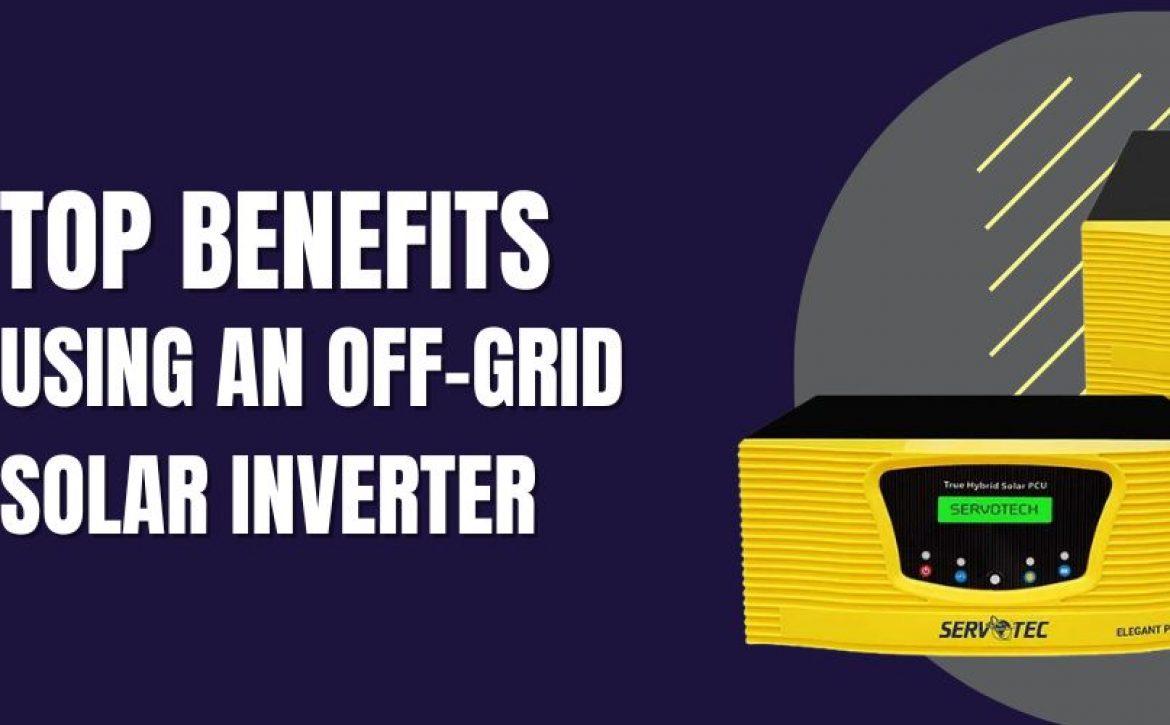
    Top 7 Benefits of Using an Off-Grid Solar Inverter for Sustainable Power

    With the rising demand for renewable energy and increasing concerns about energy security, off-grid solar systems are gaining immense popularity. At the heart of these systems lies the off-grid solar inverter, a device that plays a crucial role in converting solar energy into usable electricity without relying on the main grid.

    An off-grid solar inverter converts the DC (direct current) power generated by solar panels into AC (alternating current) electricity, which can be used to run home appliances, tools, and devices. Unlike on-grid or hybrid systems, off-grid systems operate independently and require a reliable battery bank for energy storage. This blog explores the key benefits of off-grid solar inverters, their ideal use cases, and what to consider before choosing one. Whether you’re living in a remote area or simply looking for energy autonomy, this blog will help you understand why using an off-grid solar system could be the best decision for your energy needs.

    What is an Off-Grid Solar Inverter?

    An off-grid solar inverter is a device used in standalone solar power systems that are not connected to the national electricity grid. It manages the flow of electricity between solar panels, batteries, and appliances.

    How it Differs from On-Grid and Hybrid Inverters

    • On-Grid Inverter: Works only when connected to the grid. It shuts down during power outages.
    • Hybrid Inverter: Combines features of both on-grid and off-grid, allowing limited backup.

    Off-Grid Inverter: Operates independently with battery storage, making it ideal for areas with unreliable or no grid connection.

    Key Benefits of Using an Off-Grid Solar Inverter

    1. Energy Independence

    One of the most significant benefits of off-grid solar inverters is achieving total energy independence. You no longer need to rely on utility companies or worry about electricity bills. This is especially valuable in areas with rising energy costs or frequent power cuts.

    • Create and store your own electricity
    • Gain complete control over energy usage
    • Say goodbye to fluctuating grid prices

    2. Reliable Power in Remote Areas

    If you live in a rural location, a mountain cabin, or an island community, an off-grid solar inverter offers a dependable power source where traditional grid electricity may not be available. It enables self-sufficiency and helps avoid costly infrastructure expansion.

    • Perfect solar inverter for remote areas
    • No need to wait for grid extension
    • Suitable for farms, campsites, and isolated villages

    3. No Dependency on the Electricity Grid

    Grid failures, load shedding, and voltage fluctuations are common issues in many parts of the world. With an off-grid system, your home or business continues to function smoothly without being affected by external grid problems.

    • Avoid blackouts and downtime
    • Excellent for disaster-prone zones
    • Greater reliability during extreme weather

    4. Backup Power During Outages

    Whether due to natural disasters or scheduled maintenance, power outages can disrupt daily life. Off-grid inverters provide seamless backup power, ensuring your essentials—like lights, fridge, AND internet- stay powered.

    • Automatic switchover to stored solar energy
    • Ideal for medical equipment or security systems
    • Peace of mind during emergencies

    5. Cost Savings Over Time

    Though the initial investment may be higher, off-grid solar power benefits include long-term cost savings. Avoid monthly electricity bills and reduce diesel generator costs.

    • No recurring power bills
    • Lower maintenance costs compared to diesel gensets
    • Attractive return on investment over 5–7 years

    6. Environmental Friendly Energy Solution

    Reducing carbon emissions is a major reason to go solar. Off-grid systems run entirely on clean energy, minimizing your environmental footprint and helping combat climate change.

    • Zero emissions and noise pollution
    • Promote sustainable living
    • Support green energy initiatives

    7. Customizable Systems Based on Needs

    Off-grid solar inverters can be tailored to meet specific energy requirements, making them highly flexible. From small homes to large agricultural setups, systems can be designed with varying panel sizes, battery capacities, and inverter ratings.

    • Scalable systems for growing energy needs
    • A wide range of the best solar inverters for off-grid use
    • Integrate with energy-efficient appliances

    Who Should Use an Off-Grid Solar Inverter?

    An off-grid inverter is ideal for:

    • Rural and remote households where grid access is limited or unreliable.
    • Farms and agricultural setups for powering water pumps, lighting, and equipment.
    • Off-grid cabins or vacation homes for weekend getaways or eco-lodges.
    • Commercial businesses in remote areas, such as telecom towers, warehouses, or remote offices.
    • Disaster-prone areas where grid restoration after storms or earthquakes takes time.

    If any of the above apply to you, it’s time to explore the benefits of off-grid solar inverters and consider transitioning to a self-reliant power solution.

    Things to Consider Before Choosing an Off-Grid System

    Before installing an off-grid solar system, keep the following in mind:

    Battery Storage Capacity

    Your batteries must store enough energy to last through cloudy days and nights. Choose lithium-ion or deep-cycle batteries for long-lasting performance.

    • Consider options allowing energy expansion in the future
    • Ensure proper battery maintenance

    Solar Panel Compatibility

    Ensure the inverter is compatible with your chosen solar panels and can handle the total wattage of your solar system.

    • Match the panel output with the inverter input
    • Use quality solar panels for the best performance

    Power Requirements

    Assess your household’s energy needs in terms of daily kWh usage to select an appropriately sized inverter.

    • Calculate appliance wattage
    • Include a margin for peak loads

    Maintenance and Monitoring

    Regular maintenance ensures longevity and efficiency. Look for systems that offer remote monitoring for easy troubleshooting.

    • Clean panels and check battery health
    • Use smart monitoring apps

    Conclusion

    As the world moves towards sustainable living, off-grid solar inverters are becoming a smart, long-term investment. They provide energy independence, reliable power in remote areas, and a clean alternative to fossil fuels. With customizable setups and a decreasing cost curve, more homeowners and businesses are realizing the benefits of off-grid solar power for both their wallets and the planet. Looking to go off-grid? Explore our top-rated off-grid solar inverters today and take control of your energy future.

    Read More
    Solar
    January 31, 2025by Shivangi Chaudhary0 Comments
    1.38K Likes

    Understanding the Functions and Benefits of Solar Calculator

    In recent years, more people and businesses have chosen solar energy because it’s cleaner, renewable, and offers multiple benefits including cost savings and sustainability. A key tool driving this shift is the solar calculator. It helps you figure out your solar needs and estimate how much money you could save. Solar calculators give you important information so you can decide if solar energy is a good option for you. In this blog, we’ll explore how a solar calculator works, its key functions, and how it helps homeowners, businesses, and installers make informed solar investment decisions.

    What is a Solar Calculator?

    A solar calculator also known as a solar panel cost calculator, solar energy calculator, solar PV calculator, or solar rooftop calculator is an online tool designed to estimate the size, energy production, cost savings, and return on investment (ROI) of solar systems based on specific inputs provided by the user. These inputs include factors such as location, roof size, electricity consumption, and current utility rates. By analyzing this information, solar calculators generate personalized reports catering to the specific needs of the user 

    Functions of a Solar Calculator

    Let’s explore the key functions of a solar calculator

     1) Solar System Sizing and Cost Estimation

    Based on your energy use and how much sunlight your location gets, the calculator shows how many solar panels you need. It also gives an estimate of the system’s cost, including equipment, installation, and maintenance. This allows users to plan their solar investments more efficiently.

    2) Cost Savings

    One of the main reasons people choose solar energy is to save money in the long run. The solar rooftop calculator looks at your current electricity rates, any tax credits or rebates you can get, and how much energy your solar panels will produce. With this information, it shows you how much you can save on your utility bills. It also helps you see how long it will take to pay back your investment and what your return on investment (ROI) will be. A solar savings calculator provides clear insights into monthly and long-term electricity bill reductions, making it easier to justify the investment.

    3) Customization and Comparison:

    Solar calculators let you adjust different settings like panel efficiency, system size, and financing options. This helps you compare different setups and make smart choices based on your budget, energy goals, and available options. You can try out various combinations to find the best solar panel system for your needs.

    4) Environmental Impact

    Besides the financial benefits, a solar panel calculator often shows how your solar panel system impacts the environment. It estimates the reduction in carbon emissions, helping you see how switching to solar energy helps fight climate change. 

    Benefits of Using a Solar Calculator

    There are many benefits of using a solar calculator, some of which are listed below: 

    Cost-Effective Decision Making: Solar calculators give detailed cost estimates and financial analyses, helping users make smart choices about investing in solar energy. Users can look at different options and pick the best one for their budget and needs.

    Customized Solutions: Solar calculators create personalized reports based on the user’s location and energy use. This customization ensures the recommendations match the user’s specific needs and circumstances, making the solar system more effective

    Environmental Impact Awareness: Solar calculators in a way help users understand the environmental benefits of solar energy. This awareness encourages people to switch to renewable energy sources and see the positive impact of their solar investments on the environment.

    How can Solar Panel Calculators Help Different Stakeholders

    The solar panel power calculator serves as a valuable resource for anyone considering solar energy, regardless of their location or energy requirements. By providing accurate estimates and detailed insights, it enables users to make informed decisions about adopting solar power. Here’s a closer look at how the solar calculator can benefit different stakeholders:

    i) Businesses

    Solar energy is a great way for businesses to save money. It helps businesses figure out how much money they can save on electricity bills, what tax incentives or grants they might get, and how long it will take to make their money back.

    ii) Contractors and Installers

    The solar PV energy calculator helps solar contractors and installers create detailed project estimates and proposals for customers. By using the calculator, contractors can show potential customers how much money they can save and how much energy they can expect to produce with solar panels. This builds trust and makes the solar installation process clear and straightforward, leading to happier customers and successful projects.

    iii) Environmental Organizations and Advocates:

    Environmental organizations and advocates are vital in promoting renewable energy and fighting climate change. By sharing this tool, these organizations empower individuals and businesses to see how solar power can save money and help the environment. It shows them how much carbon emissions can be reduced, encouraging steps toward a sustainable future.

    Conclusion

    In conclusion, the solar calculator is a great tool that makes solar energy accessible to individuals and businesses. It provides accurate estimates of costs, savings, and energy production, helping users decide about installing solar panels. Servotech is a leading solar energy provider, helping industries and businesses use solar power effectively. The solar calculator for homes offered by Servotech is a valuable tool that makes solar energy accessible for individuals and businesses. It provides accurate estimates of costs, savings, and energy production, enabling users to make informed decisions about installing solar panels. Servotech remains dedicated to supporting businesses in adopting solar energy as a practical and profitable solution, thereby promoting a greener future for both the industry and the planet.

    Read More
    Solar
    December 26, 2024by servotech team0 Comments
    1.23K Likes

    Latest Solar Panel Technology 2025

    As global interest in renewable energy surges, 2025 will be a transformative year for solar technology. Innovations like bifacial and mono PERC solar panels are now replacing polycrystalline options for their efficiency and durability. Latest Solar panel technology such as perovskite, heterojunction, and tandem solar cells significantly enhance solar power performance, making it more affordable and practical. With solar systems lasting over two decades, understanding and adopting these advancements today will enable homeowners and businesses to maximize solar energy’s potential well into the future.

    Current Technology in Solar Panels 

    1. Bifacial Solar Panels

    Bifacial solar panels offer a significant upgrade in solar technology by capturing sunlight on both sides. The top layer absorbs direct sunlight, while the bottom layer captures sunlight reflected from the ground. This design can boost energy production by up to 30% under high-sunlight conditions, generating more electricity than traditional panels. With up to 22% practical output currently and the potential for more as research progresses, bifacial panels are ideal for reflective surfaces or snowy areas. They also tend to be more durable, with low annual degradation rates of 0.45-0.55%.

    2. PERC (Passivated Emitter and Rear Cell) Solar Cells

    PERC technology enhances solar panel efficiency with a passivated layer on the rear side, allowing the capture of additional sunlight. This advancement has led to MonoPERC solar panels, which achieve up to 25% efficiency by harnessing light that would otherwise be lost. MonoPERC panels perform well in low-light conditions, making them adaptable to diverse climates. Although the initial cost may be slightly higher than traditional panels, the improved efficiency leads to faster payback and long-term savings, making them a valuable investment in solar technology.

    Read also: Top Solar Panel Brands in India 2025

    Latest Solar Panel Technology in India by 2025

    Solar technology has a bright future with emerging innovations that promise to reshape the energy landscape:

    1. Perovskite Solar Cells

     Perovskite cells are a promising alternative to traditional silicon-based cells, with a theoretical efficiency of over 30%. These cells are lightweight, flexible, and cheaper to produce electricity, making them ideal for a variety of applications, from rooftops to wearables.

    2. Transparent Solar Panels

    Transparent solar technology enables buildings to generate power while maintaining unobstructed views, integrating seamlessly into windows and glass surfaces. While thin-film panels may not be suitable for mass residential solar installations in India, they hold promise for commercial applications. This technology offers architectural freedom, allowing energy solutions without compromising aesthetics, and maximizes power generation by turning every glass surface into an opportunity for solar energy capture. Despite currently being less efficient than traditional panels, transparent solar panels are gaining popularity for their unique applications in modern architecture.

    3. Heterojunction Solar Cells

    Heterojunction technology (HJT) merges crystalline and amorphous silicon layers, resulting in solar cells that boast enhanced efficiency and stability. These HJT cells achieve efficiency rates exceeding 25% by improving sunlight absorption and minimizing electron recombination. Additionally, they perform exceptionally well in high-temperature environments due to their higher temperature coefficient, effectively reducing energy loss from overheating. This innovative technology represents a significant advancement in solar power productivity, making HJT cells a durable choice for various applications.

    4. Tandem Solar Cells

    Tandem solar cells layer two different types of photovoltaic materials — such as silicon and perovskites — to capture a broader spectrum of sunlight and thereby convert more light into electricity. 

    By harnessing light across different wavelengths more effectively, tandem cells break through the theoretical efficiency limits of single-material solar cells.

    As research progresses, tandem technology is expected to become more affordable and scalable, making ultra-high-efficiency solar panels the standard.

    5. Thin-Film Solar Panels 

    Thin-film panels, particularly cadmium telluride (CdTe) and copper indium gallium selenide (CIGS), have become more efficient and adaptable. These solar panels are lightweight, and flexible, and perform well in low-light and high-temperature conditions, making them ideal for urban environments and mobile applications.

    6. Quantum Dot Solar Cells

    Quantum dot solar cells, composed of semiconductor nanoparticles, are being developed to achieve higher conversion efficiencies by tuning their absorption spectrum. These cells offer potential efficiencies of 60% or more by capturing a broader range of light wavelengths.

    7. Multi-Junction Solar Cells

     Multi-junction cells use multiple layers of materials, each capturing different parts of the light spectrum, enabling efficiencies as high as 50%. Currently used in space applications, these cells may soon be accessible for terrestrial use, especially in high-efficiency projects.

    8. Floating Solar Farms

    Floating solar farms are gaining attention for their innovative approach to energy generation, installed on lakes and reservoirs to address land use challenges. This technology offers several benefits: the water beneath the panels helps keep them cool, enhancing their efficiency and reducing the risk of overheating in high temperatures. Additionally, these solar installations help conserve water by minimizing evaporation from the surfaces of water bodies, thus preserving vital resources while generating clean energy.

    9. AI and Smart Solar Technology  

    Artificial intelligence is increasingly used to optimize solar installations, adjust panel positioning, and predict energy consumption. Integrating AI with solar technology can lead to smarter and more efficient power generation, especially for large-scale solar farms.

    Read also: Top 10 Solar Panel Manufacturers in India

     Benefits of Adopting New Technology for Solar Energy

    Adopting the latest solar technology brings numerous benefits, particularly as renewable energy becomes a central pillar of global energy strategies.

    Increased Efficiency: New solar technologies can capture more energy from the same surface area and increase efficiency, making them ideal for limited space applications and urban settings.

    Lower Long-Term Costs: Although the initial investment for newer technologies might be higher, enhanced efficiency, reduced material costs, and greater durability contribute to lower overall energy costs.

    Enhanced Durability and Adaptability: Many advanced panels are designed to perform in diverse environments, from deserts to urban rooftops, ensuring stable energy production even in challenging conditions.

    Environmental Impact: New solar technologies contribute to a greener, more sustainable production cycle by using sustainable materials and reducing dependency on high-energy manufacturing processes.

    Greater Application Flexibility: Innovations like transparent panels and solar paint enable solar energy integration into windows, walls, and other non-traditional surfaces, transforming ordinary structures into energy-generating assets.

    Latest Solar Panel Technologies vs. Traditional Panels: Efficiency Comparison

    Feature Latest Solar Technology Traditional Solar Technology 
    Efficiency Up to 30-50% with advanced cells     Generally around 15-20% for silicon panels  
    Performance in Low LightImproved performance (e.g., HJT and bifacial panels)Moderate performance     
    Temperature CoefficientBetter tolerance (e.g., HJT, thin-film panels) More energy loss at high temperatures  
    Weight and FlexibilityLightweight and flexible options are available   Heavier and rigid      
    Installation OptionsSuitable for rooftops, windows, and mobile applicationsPrimarily suited for open areas and rooftops

    The Future of Solar Panels in India

    India has one of the world’s most ambitious renewable energy goals, aiming to reach 500 GW by 2030. The adoption of cutting-edge solar technologies will be essential to achieving this target. With government initiatives like the PM Surya Ghar Muft Bijli Yojana Scheme, PM-KUSUM scheme, and the National Solar Mission, India is actively investing in solar innovations to make solar more accessible to urban and rural areas alike. Additionally, the focus on local manufacturing and reduced dependency on imports will drive the deployment of advanced, efficient solar solutions.

    India’s abundant sunlight makes it an ideal candidate for solar advancements like bifacial panels, HJT cells, and even experimental technologies like quantum dots and organic photovoltaics. By adopting these technologies, India can significantly reduce carbon emissions, increase energy security, and create green jobs, paving the way for a sustainable future powered by solar.

    Conclusion

    Solar technology is progressing rapidly, and the latest advancements in 2025 offer higher efficiency, lower environmental impact, and more versatile applications than ever before. Whether it’s through next-generation quantum dots or transparent panels for urban spaces, the future of solar energy holds exciting possibilities. By embracing these innovations, India and the world can achieve a cleaner, greener energy landscape for generations to come.

    Read also: Will India Meet Revised Solar Rooftop Deadline by 2026?

    Read More
    Solar
    July 2, 2024by servotech team0 Comments
    698 Likes

    Will India Meet Revised Solar Rooftop Deadline by 2026?

    How does the existing subsidy structure for coal-fired electricity impact the affordability of rooftop solar systems?

    The existing subsidy structure for coal-fired electricity distorts the true energy cost and creates an uneven playing field for rooftop solar systems. Coal power plants receive subsidies that bring down the upfront cost for electricity generation companies. These subsidies often don’t reflect the full environmental and health costs of coal pollution. The subsidized generation cost translates to lower retail electricity prices for consumers. This makes rooftop solar, which has a higher upfront cost despite lower long-term running costs, seem less attractive financially. Lower retail electricity prices due to coal subsidies decrease the potential savings from generating your own solar power. This lengthens the payback period for rooftop solar investments, making them less appealing for cost-conscious consumers. In essence, coal subsidies artificially cheapen grid electricity, hindering the economic viability of rooftop solar and slowing down the transition to cleaner energy sources.

    What are some of the key challenges identified in achieving widespread adoption of rooftop solar systems in India, particularly in rural areas?

    Widespread adoption of rooftop solar in rural India encounters several challenges unique to these areas. While solar panels promise long-term savings, the initial investment poses a significant barrier for rural households with limited disposable income. Therefore, subsidies and tailored financing options are essential to make solar energy accessible. Moreover, many rural regions suffer from unreliable or nonexistent grid infrastructure, limiting the benefits of rooftop solar as generated power cannot be fed back to the grid for net metering. Addressing this issue requires significant investment in grid infrastructure. Additionally, the lack of access to information and technical expertise about solar technology inhibits adoption in rural communities, emphasizing the need for educational outreach programs. Furthermore, the structural suitability of common rural roof types, such as thatched roofs, for solar panel installations poses a challenge, necessitating alternative mounting solutions or exploring ground-mounted options. Moreover, the perception of complex maintenance requirements can discourage rural households from embracing solar energy. To overcome this, easy-to-maintain systems and accessible local service providers are essential. By implementing targeted policies, providing financial incentives, and conducting capacity-building initiatives, the vast potential of rooftop solar in rural India can be unlocked.

    What are the factors that should be focused on to achieve the 40 GW target by 2026?

    India can create a conducive environment for rapid rooftop solar deployment and achieve the ambitious 40 GW target by 2026 and achieve the same via a multi-pronged approach focusing on technical and financial aspects. Develop innovative financing models like rooftop solar loans with attractive interest rates, long repayment terms, and power purchase agreements (PPAs) for larger installations. This can improve affordability and spread the upfront cost. Simplify and streamline net metering policies to incentivize excess power feed-back to the grid. This can encourage larger rooftop installations and presumption models where consumers are both producers and consumers of electricity. Target subsidies towards low-income households in rural areas to bridge the affordability gap. Upgrade and expand the distribution grid infrastructure, especially in rural areas, to handle the increased power injection from rooftop solar systems and ensure reliable grid integration. Promote research and development in areas like building-integrated photovoltaics (BIPV) for efficient use of rooftop space, and explore cost-effective, lightweight mounting solutions suitable for different roof types.

    How has India’s solar energy capacity evolved over the past decade, and what role do residential rooftop installations play in achieving the country’s renewable energy targets?

    India’s solar energy sector has experienced remarkable growth in the past decade, surging from a modest 1.9 GW in 2010 to over 100 GW by 2023. This phenomenal expansion can be attributed to several factors. Technological advancements in photovoltaic technology have notably slashed panel costs, rendering solar energy more economically feasible. Moreover, supportive policies such as subsidies, net metering, and production-linked incentives have propelled the widespread adoption of large-scale solar projects. However, residential rooftop installations, although currently representing a smaller segment of the total solar capacity, offer unique advantages. Firstly, rooftop solar facilitates decentralized power generation, diminishing reliance on centralized power plants and transmission infrastructure. Additionally, rooftop solar generation during peak demand periods, particularly in the afternoons, alleviates strain on the grid. Furthermore, rooftop solar contributes to enhancing grid resilience by diversifying the energy mix and bolstering grid stability. While large-scale solar farms remain pivotal, the widespread adoption of rooftop solar is imperative for India to achieve its ambitious renewable energy targets.

    The Interview is originally published in Entrepreneur India April issue

    Read Full Interview: https://www.entrepreneur.com/en-in/growth-strategies/will-india-meet-revised-solar-rooftop-deadline-of-2026/472108

    Read More
    Solar
    March 4, 2024by Prabhutva Tiwari1 Comment
    754 Likes

    Enlightening the Future of India with Sustainable Solar Solutions

    Q1 – Can you provide an overview of your company’s mission and key principles in delivering solar panel solutions, and how do these align with the broader goals of promoting renewable energy?

    Servotech Power Systems Ltd. is dedicated to delivering cutting-edge solar panel solutions that embody its mission of sustainability and innovation. With a firm commitment to quality, affordability, and customer satisfaction, Servotech’s approach to solar energy is driven by a vision of creating a greener and more sustainable future for India. By prioritizing sustainability in its choice of materials and manufacturing processes, Servotech ensures that its solar panel solutions meet high standards of performance and reliability while minimizing environmental impact. Our products play a crucial role in India’s transition to renewable energy sources, contributing to the government’s initiatives like the Pradhan Mantri Suryodaya Yojana and solarization projects in Varanasi. Through our commitment to excellence and accessibility, we empower individuals, businesses, and communities across the country to benefit from clean and renewable solar energy, paving the way toward a brighter and more sustainable future for India.

    Q2 – Given the dynamic nature of the solar industry, how does your company stay abreast of the latest advancements in solar panel technologies, and how are these innovations integrated into your product offerings?

    Currently, we are manufacturing Mono PERC solar panels and Mono Bifacial panels. The Mono Bifacial panels offer a significant advantage in terms of generation, with an estimated increase of 22-30% compared to Mono PERC panels. Looking ahead, market trends suggest that solar panels with capacities ranging from 700 to 1000 watts will become prevalent in the near future, and we are actively working on incorporating this technology into our product portfolio. Our commitment to innovation and staying at the forefront of advancements in solar technology drives our efforts to provide cutting-edge solutions to meet the evolving needs of our customers and the market.

    Q3- What sets your solar panel solutions apart from competitors in terms of efficiency, durability, and overall performance, and how do you ensure the highest quality for your products?

    To ensure top-notch quality standards, we have embarked on the journey of creating in-house PLC modules, a move aimed at enhancing the quality of our solar products. Leveraging state-of-the-art technology and the latest equipment, we meticulously inspect and validate each component and assembly stage to uphold the highest quality benchmarks. Our relentless pursuit of excellence extends to our solar panels, boasting an impressive efficiency rating of 22%. Moreover, our panels are engineered for longevity, with a lifespan spanning an impressive 30-35 years, ensuring enduring performance and reliability. As we continue to innovate and introduce new products, we subject them to rigorous testing protocols. Each product undergoes comprehensive testing regimes to evaluate its performance, durability, and adherence to stringent quality standards. These exhaustive testing procedures culminate in the creation of detailed testing reports, providing invaluable insights into the performance and reliability of our products.

    Q4- Can you share success stories or examples of projects where your solar panel solutions have made a significant impact on reducing carbon footprints, promoting sustainability, or providing energy independence?

    We have spearheaded numerous solar initiatives across various regions, showcasing our commitment to advancing sustainable energy solutions. In collaboration with IOCL in Haldia, West Bengal, we successfully installed a solar system, contributing to the region’s transition towards renewable energy. Additionally, we have also collaborated with HPCL to solarize the plant of HPCL. We have installed a smart grid system in Delhi which aims to reduce CO2 emissions by 115 tonnes annually. We have also collaborated with NSEFI to install a solar-powered EV Charging Carport. Through partnerships with government entities like UPNEDA, we have played a pivotal role in solarizing government offices, schools, and buildings, facilitating the adoption of clean energy practices. In Tamil Nadu, our collaboration with the Tamil Nadu Energy Development Authority resulted in the implementation of solar home lighting systems, benefiting over 10,000 households across the state. Additionally, our efforts extended to Himachal Pradesh, where, in partnership with Him Urja, we successfully solarized 2,800+ homes, illuminating communities with sustainable and eco-friendly lighting solutions. These initiatives underscore our unwavering dedication to driving positive environmental impact and fostering the widespread adoption of renewable energy technologies.

    Q5- In light of the increasing demand for sustainable practices, how does your company incorporate environmentally friendly materials and manufacturing processes in the production of solar panels?

    As a prominent solar panel manufacturer, we prioritize sustainability by incorporating recycled materials and employing energy-efficient manufacturing processes. While there may be some environmental impact associated with solar panel production, the long-term benefits of solar energy greatly outweigh any potential negative effects. To further minimize environmental impact, we are implementing data-driven strategies aimed at extending product lifespans, optimizing resource use, and ensuring responsible disposal and recycling practices. We invest in research and development to enhance the longevity of our solar panels, and sophisticated recycling methods enable us to recover vital components like silicon. Additionally, governments and industry stakeholders are increasingly adopting Extended Producer Responsibility (EPR) frameworks to ensure accountability throughout the product lifecycle. Standardized recycling processes, consumer awareness initiatives, and regulatory frameworks play crucial roles in promoting sustainable practices across the solar industry.

    The Interview is originally published in ACE Update Magazine’s March issue
    Read Full Interview: https://aceupdate.com/enlightening-the-future-of-india-with-sustainable-solar-solutions/

    • 1
    • 2

      Connect Now!

      Our expert will contact you soon.

      About us
      Awards & FelicitationsOur CapabilitiesOur CompanyOur LeadershipOur ProjectsTestaments
      Follow us
      Products
      EV ChargerLEDsPower & Backup
      Subsidiary Company
      Servotech EV Infra Pvt. Ltd. Servotech Sports and Entertainment Pvt. Ltd. Rebreathe Medical Devices India Pvt. Ltd. Hertz & Pixelz Pvt. Ltd.
      Media
      BlogsEventsMedia CoveragesMedia KitPress Release
      Quick Links
      Store LocatorSolar CalculatorEV Charging AppVendor RegistrationSite Map
      Write to us
      Sales
      servotech@servotechindia.comexportsales@servotechindia.comchannelsales@servotechindia.com
      Public Relations
      pr@servotechindia.com
      Marketing
      marketing@servotechindia.com
      ebiz@servotechindia.com
      Careers
      hr@servotechindia.com
      Contact us

      For Sales Enquiry: 011 41183116

      For EV Chargers sales: 9717691800

      For Service: 011 41183119

      Email : customercare@servotechindia.com

      Corporate Office

      806, 8th Floor, Crown Heights, Hotel Crown Plaza, Sector 10, Rohini New Delhi 110085

      Registered & Kundli Plant Address

      KHATA NO. 1970, KHEWAT NO. 1672, KHASRA NO. 21/20/2/2, REVENUE ESTATE, KUNDLI, P.S.Rai, Sonipat, Sonipat 131029, Haryana, India

      Safiabad Address

      Killa No.14, 6/1/2(0-3), 6/2/3(5-13, Safiabad, Pana Paposhian, Tehsil, Rai, Sonipat, Haryana 131029

      Follow us

      Awards & FelicitationsOur CapabilitiesOur CompanyOur LeadershipOur ProjectsTestaments

      EV ChargerLEDsPower & BackupSolar Products

      Servotech EV Infra Pvt. Ltd. Servotech Sports and Entertainment Pvt. Ltd. Rebreathe Medical Devices India Pvt. Ltd. Hertz & Pixelz Pvt. Ltd.

      BlogsEventsMedia CoveragesMedia KitPress Release

      Store LocatorSolar CalculatorEV Charging AppVendor RegistrationSite Map

      Sales
      servotech@servotechindia.comexportsales@servotechindia.comchannelsales@servotechindia.com
      Public Relations
      pr@servotechindia.com
      Marketing
      marketing@servotechindia.com
      ebiz@servotechindia.com
      Careers
      hr@servotechindia.com

      For Sales Enquiry: 011 41183116

      For EV Chargers sales: 9717691800

      For Service: 011 41183119

      Email : customercare@servotechindia.com

      Corporate Office

      806, 8th Floor, Crown Heights, Hotel Crown Plaza, Sector 10, Rohini New Delhi 110085

      Registered & Kundli Plant Address

      KHATA NO. 1970, KHEWAT NO. 1672, KHASRA NO. 21/20/2/2, REVENUE ESTATE, KUNDLI, P.S.Rai, Sonipat, Sonipat 131029, Haryana, India

      Safiabad Address

      Killa No.14, 6/1/2(0-3), 6/2/3(5-13, Safiabad, Pana Paposhian, Tehsil, Rai, Sonipat, Haryana 131029

      Copyright 2026 © Servotech Renewable Power System Limited: Privacy Policy. Brand Guidelines. Our Capability. Legal Disclaimer. Terms of use

      Top